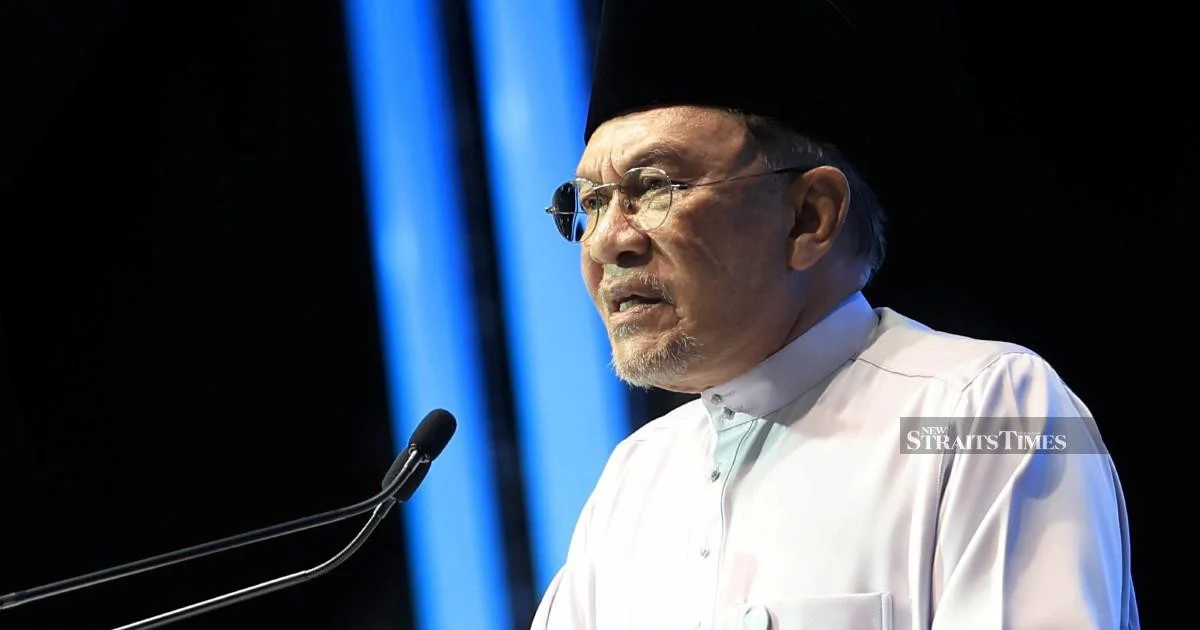
The Muar district office has firmly rejected claims that Prime Minister Datuk Seri Anwar Ibrahim was prevented from using the Penghulu Mukim Sungai Balang Complex for a community engagement initiative last month. The denial comes amid broader scrutiny surrounding access to government facilities during the lead-up to the Johor state elections, an event that has drawn considerable attention to procedural questions and administrative practices across the state.
The controversy highlights the intersection of electoral politics and governmental administration in Malaysia's states, where access to public facilities can become a flashpoint for political tensions. Government buildings and complexes, particularly those in district-level administrative centres, often serve dual purposes as official workspaces and venues for political activities, making their usage a sensitive matter during campaign periods. The incident in Muar reflects wider concerns about whether administrative protocols are being applied consistently or whether political considerations influence facility bookings.
Muar, a historically significant district in Johor with a substantial population, has long been a focal point in state politics. The district encompasses several parliamentary constituencies and plays an important role in determining overall electoral outcomes. The location mentioned in the allegation, the Penghulu Mukim Sungai Balang Complex, serves administrative functions but is also occasionally used for public engagement activities by political leaders and officials. Community engagement programmes by the Prime Minister typically aim to maintain direct connections with constituents and address grassroots concerns.
The denial from the district office represents an official position that standard procedures were followed and no unusual restrictions were placed on access. Such statements are customary when allegations of administrative obstruction emerge, particularly involving high-ranking government figures. The district office's response suggests that either no booking request was made, or if one was submitted, it was processed through normal channels without impediment. Understanding the actual sequence of events requires examining communication records and administrative documentation between relevant parties.
The timing of this allegation is significant given the electoral calendar. Johor state elections represent a crucial political moment, with implications extending beyond the state itself. The outcome influences the broader political trajectory at the national level and shapes the balance of power in Parliament. During such periods, both government and opposition parties are particularly attentive to narratives surrounding access and resources, with each side scrutinising the other's claims of fair or unfair treatment. Allegations of restricted access to government facilities can resonate strongly with voters concerned about impartiality in state administration.
For Prime Minister Anwar Ibrahim, maintaining visibility and demonstrating government presence in all constituencies, including those with opposition influence or mixed political leanings, remains crucial. Community engagement programmes serve multiple purposes: they allow the leadership to showcase government initiatives, gather feedback on policy implementation, and reinforce political messaging. Any genuine restriction on such activities would undermine these objectives and could be weaponised by opposition parties as evidence of administrative dysfunction or political vindictiveness.
The district office's categorical denial may be accompanied by clarifications regarding the actual sequence of events. These might include evidence of whether the venue was available on the requested date, whether any booking was formalised, or whether alternative explanations account for the programme being held elsewhere. Such details matter considerably in electoral contexts where perceptions of fairness in state machinery directly influence voter confidence and turnout. Malaysian voters, particularly in states with competitive politics, are increasingly attuned to questions of administrative impartiality.
The incident also raises broader questions about the governance framework surrounding public facility usage during election periods. Many states have established guidelines to balance the legitimate access of all political parties and candidates to government venues while maintaining administrative neutrality. These protocols typically ensure that access is granted on equal terms regardless of political affiliation, and that bookings are managed transparently. The Muar situation underscores the importance of clear, publicly documented procedures that leave no room for allegations of discriminatory treatment.
For Malaysian observers and international watchers of Southeast Asian electoral processes, such disputes reflect the ongoing tension between government machinery and political competition. In multi-party democracies, ensuring that state resources are perceived as neutral tools available to all legitimate political actors remains perpetually challenging. The Muar district office's denial will likely be scrutinised against any counter-evidence or testimony from other parties involved in the reported incident. The resolution of such allegations, whether through documentary evidence or official clarification, contributes to the broader assessment of electoral fairness and administrative integrity.

