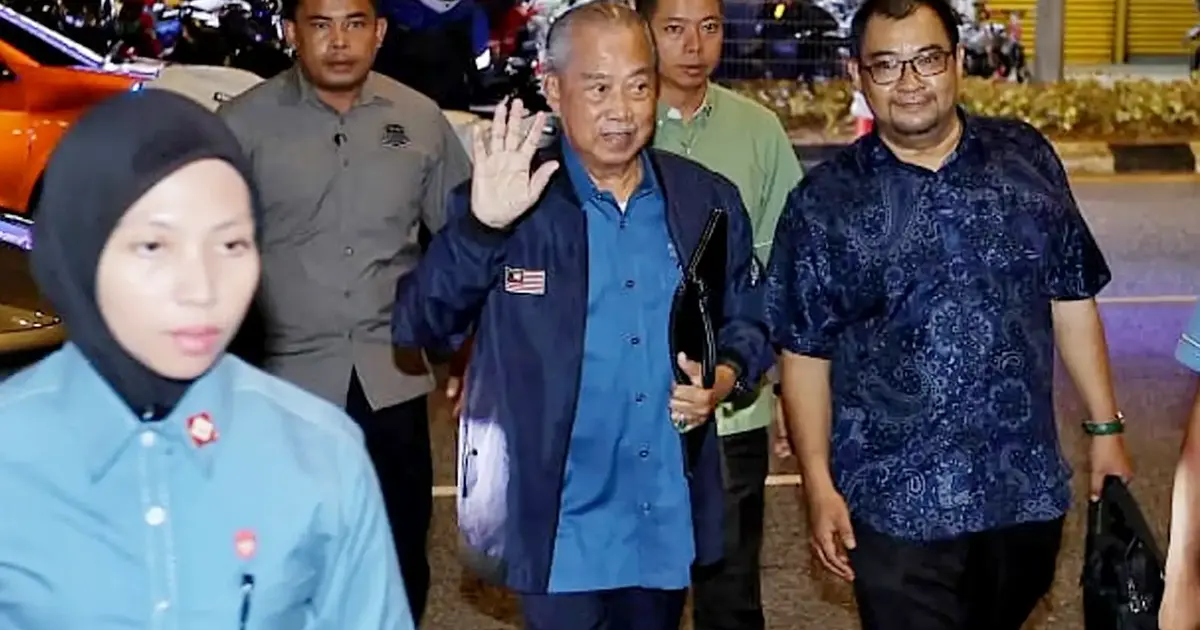
Senior figures from Bersatu, including Tan Sri Muhyiddin Yassin, have gathered for an urgent closed-door session to chart the path forward for the Perikatan Nasional coalition after PAS announced its withdrawal from the political alliance. The gathering represents a critical juncture for what was once envisioned as a formidable opposition bloc, now facing fundamental questions about its viability and parliamentary relevance.
The timing of this emergency meeting underscores the gravity of PAS's decision to sever formal ties with Perikatan Nasional. By exiting the coalition, PAS has triggered a seismic shift in Malaysia's political landscape, leaving Bersatu and its remaining allies scrambling to reassess their strategic position and coalition arithmetic. The withdrawal raises immediate concerns about whether the remaining Perikatan Nasional components possess sufficient parliamentary numbers to maintain any meaningful leverage in national politics.
Bersatu's position within the dissolved coalition framework has become precarious. As the coalition's nominal anchor during various political configurations over the past four years, the party faces mounting internal and external pressure to determine its next strategic move. Tonight's deliberations will likely centre on whether Bersatu should attempt to salvage some form of alliance with remaining partners, pursue independent positioning, or explore alternative political arrangements entirely.
The coalition's unravelling reflects deeper ideological and organisational fissures that have plagued Perikatan Nasional since its inception. PAS, as the dominant Islamist party within the grouping, had grown increasingly uncomfortable with arrangements it viewed as constraining its electoral reach and policy agenda. The party's decision to exit represents a reassertion of its independence and reflects calculations that it can accomplish more as a standalone political entity than as a coalition member bound by consensus requirements.
From a parliamentary perspective, the dissolution significantly weakens any opposition counterweight to the ruling coalition. Perikatan Nasional had positioned itself as an alternative governmental option, particularly during periods when the government's majority appeared vulnerable. With PAS departing, Bersatu loses its largest coalition partner and must confront the reality that it cannot command sufficient seats to credibly challenge the administration's legislative agenda on its own.
Bersatu's own internal coherence will come under intense scrutiny during these emergency consultations. The party has experienced considerable internal turbulence in recent years, with questions persisting about its organisational strength and grassroots legitimacy. Some party members may view the coalition's collapse as an opportunity to reposition Bersatu as an independent force, while others may fear that isolation will accelerate the party's political decline.
The implications for Malaysian politics extend beyond Bersatu's immediate concerns. The Perikatan Nasional's failure represents a broader setback for opposition coalition-building efforts in the country. Voters and political analysts have frequently lamented the fractured state of Malaysian opposition politics, yet attempts to construct credible multi-party alliances have repeatedly faltered due to ego conflicts, ideological incompatibility, and organisational dysfunction. This latest breakdown will reinforce perceptions that cohesive opposition challenges remain elusive.
Regional observers will scrutinise how this Malaysian political development influences broader Southeast Asian political dynamics. Malaysia's internal instability and fractious opposition politics have periodically created diplomatic opportunities and vulnerabilities that neighbouring countries monitor carefully. A weakened opposition presence domestically can affect Malaysia's strategic positioning within regional frameworks and its negotiating leverage on issues from trade to security.
For ordinary Malaysians, the coalition's fragmentation may seem like distant political manoeuvring, yet it carries practical consequences. Opposition cohesion directly influences parliamentary scrutiny of government policies, the robustness of legislative debate, and ultimately the quality of governance oversight. When opposition forces are fragmented and in disarray, executive authority faces fewer institutional constraints.
The Perikatan Nasional's collapse also opens unpredictable possibilities for political realignment. Individual components might pursue fresh partnerships, defections could occur as politicians reassess their career trajectories, and previously hostile parties might discover new areas for cooperation. Such fluidity can create both opportunities and instabilities depending on how various players manoeuvre during the transition period.
Bersatu's leadership must grapple with uncomfortable strategic realities during tonight's gathering. The party's founding narrative centred on representing a reformist alternative to established political formations, yet it has struggled to translate this positioning into sustained electoral or institutional success. The loss of coalition partnership status removes one of its few remaining claims to political significance.
Longer-term, the emergency meeting will likely set in motion processes that reshape not just Bersatu's trajectory but potentially Malaysian opposition politics broadly. Whether this moment catalyses genuine reform of opposition political culture or simply perpetuates cycles of breakdown and realignment remains to be determined. The decisions made during these consultations will reverberate through Malaysia's political system for years to come.