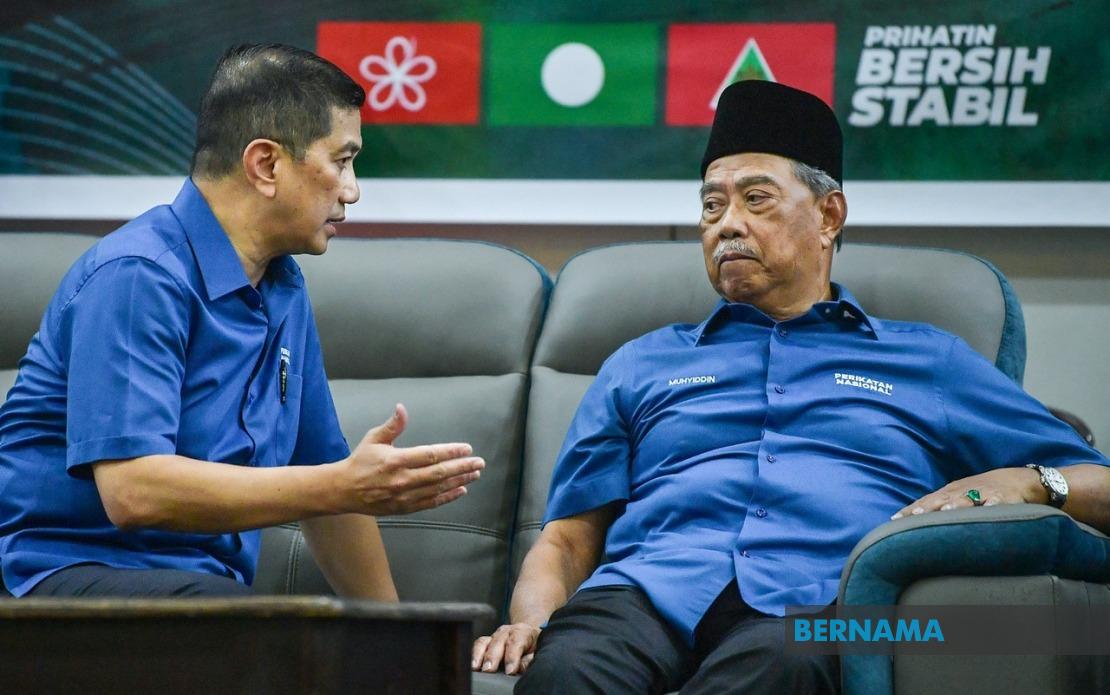
Former Prime Minister Tan Sri Muhyiddin Yassin has expressed strong backing for a package of government measures unveiled to ease the financial strain facing ordinary Malaysians and the business community. The initiatives, announced by Prime Minister Datuk Seri Anwar Ibrahim on Sunday and set to commence on September 1, target multiple areas of concern for households and enterprises grappling with elevated living costs and operational pressures.
Among the centrepiece announcements is the restoration of the RON95 petrol subsidy eligibility cap, raising the monthly allocation from 200 litres to 300 litres per household. This expansion represents a meaningful increase in fuel assistance for vehicle owners, particularly those in lower and middle-income brackets who rely on subsidised fuel. Alongside this, the government has broadened exemptions from the e-Invoicing requirement for smaller enterprises, lifting the threshold to encompass businesses with annual sales reaching RM3 million. These dual initiatives signal recognition that both consumer purchasing power and small business competitiveness require immediate relief.
The Bersatu president emphasised the critical importance of rapid implementation, stressing that government ministries and agencies must disburse funds swiftly to ensure assistance reaches intended beneficiaries without unnecessary delay. Drawing from his own experience in governance, Muhyiddin underscored that policy announcements carry limited impact unless accompanied by efficient execution and transparent delivery mechanisms. His emphasis on timely disbursement reflects a broader concern within Malaysian policy circles about the implementation gaps that sometimes plague announced programmes.
Beyond immediate cash relief, the government has committed significant resources to infrastructure and human capital development. An additional RM500 million allocation for school maintenance addresses longstanding complaints from educators and parents about deteriorating educational facilities. This investment targets the foundational systems supporting Malaysia's younger generation, recognising that infrastructure quality directly influences educational outcomes and student wellbeing. Similarly, the digitalisation of healthcare services promises to enhance accessibility and efficiency within the public medical system, potentially reducing administrative burden on patients and healthcare workers alike.
The government's commitment to providing youth access to artificial intelligence software subscriptions signals forward-thinking engagement with technological transformation. As Southeast Asian economies accelerate digital adoption, ensuring younger citizens develop AI literacy and competency positions Malaysia competitively within regional knowledge economies. This initiative goes beyond mere cost-of-living relief to address longer-term economic competitiveness and workforce development.
Particularly noteworthy is the targeted support for Malaysia's vibrant small business ecosystem. The additional RM1 billion earmarked for micro-credit facilities and the separate RM200 million in direct grants targeting petty traders, night market operators, and women entrepreneurs acknowledge the vital role these segments play in employment generation and community economic vitality. Micro, small, and medium enterprises collectively employ substantial portions of Malaysia's workforce and generate crucial economic dynamism in towns and rural areas. Stimulating this sector promises multiplier effects extending beyond immediate beneficiaries.
Muhyiddin's perspective carries particular weight given his tenure steering the nation through distinct economic phases. His call for broader, more comprehensive measures going forward suggests recognition that single-round interventions, while beneficial, may prove insufficient to sustainably address systemic cost pressures. He indicated that Budget 2027 should incorporate additional structural measures aimed at fundamental economic challenges rather than perpetually relying on subsidy expansions and temporary grants.
Crucially, the former premier raised questions about longer-term taxation and subsidy rationalisation policies, implying that current approaches may inadvertently entrench inefficiencies or create unintended distortions. This observation touches upon a perennial Malaysian policy debate: whether extensive subsidies and narrowly-targeted relief adequately serve national development objectives or whether more fundamental fiscal restructuring deserves serious consideration. The tension between immediate social protection and sustainable fiscal architecture remains unresolved.
From a regional perspective, Malaysia's continued reliance on fuel subsidies and targeted business grants reflects challenges common across Southeast Asia, where governments simultaneously pursue growth, employment, and social protection amid resource constraints. Thailand, Indonesia, and other neighbours have grappled with similar dilemmas, alternating between expanding and curtailing subsidy programmes. The Malaysian approach—moderating rather than eliminating subsidies while directing additional support toward specific constituencies—represents a pragmatic middle path attempting to balance competing pressures.
The immediate economic impact will likely prove positive for lower-income households and microenterprises, both demographics possessing high marginal propensities to spend rather than save. Enhanced purchasing power flowing to these groups typically generates multiplier effects throughout local economies as money circulates through transportation, food, retail, and service sectors. However, sustainability concerns persist regarding whether such interventions can continue indefinitely without compromising fiscal positions or crowding out other productive investments.
Muhyiddin's endorsement carries particular significance within contemporary Malaysian political discourse, where cross-party agreement on economic fundamentals remains challenging. His public support suggests that fundamental aspects of the relief package command broader political consensus than might appear evident during parliamentary debates. This convergence potentially indicates that concerns about cost-of-living pressures transcend traditional partisan divisions.
Looking ahead, policymakers face the persistent challenge of balancing immediate relief with medium-term sustainability. The government's willingness to expand support signals responsiveness to public concerns and political pressure, but ongoing vulnerability to criticism regarding subsidy creep and budgetary strain remains. Successful implementation will depend on efficient delivery systems, transparent eligibility criteria, and demonstrated positive outcomes for intended beneficiaries.

