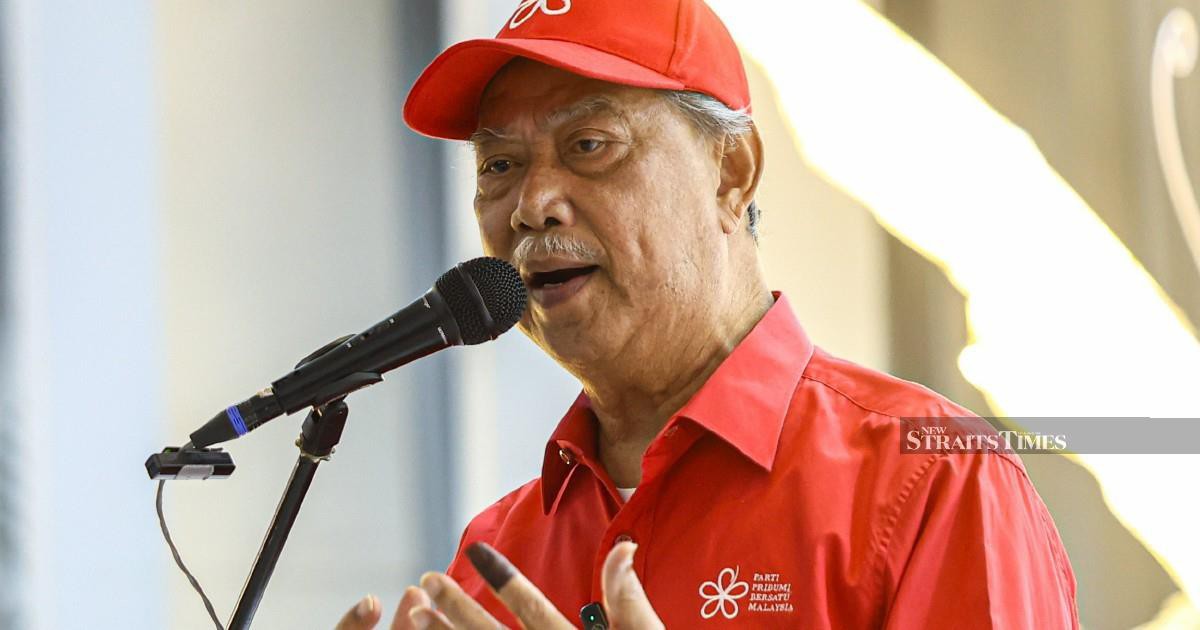
Bersatu president Tan Sri Muhyiddin Yassin is pressing for an extension to the forthcoming parliamentary session dedicated to debating the Royal Commission of Inquiry report on Lembaga Tabung Haji, arguing that the current timeframe does not allow sufficient opportunity for comprehensive discussion among members across the chamber.
The proposal to prolong the special Dewan Rakyat sitting reflects growing concerns within the opposition and among backbenchers that the original schedule may constrain meaningful parliamentary scrutiny of the inquiry's conclusions. By requesting at least two additional days, Muhyiddin has signalled that the issues examined by the RCI warrant thorough deliberation beyond what an abbreviated sitting would permit, a position likely to resonate with lawmakers seeking substantive debate on matters affecting one of Malaysia's most significant pilgrim funds.
Lembaga Tabung Haji has long occupied a critical position in Malaysia's Islamic financial architecture, serving millions of Muslims planning their hajj pilgrimage to Mecca. The Royal Commission of Inquiry was established to examine governance failings, investment decisions, and management practices at the institution. The report's findings are anticipated to carry significant implications for pilgrims, contributors, and policymakers responsible for oversight of the fund's operations.
Muhyiddin's intervention underscores the political importance of how parliament receives and processes the RCI findings. The Bersatu leader's call for extended sitting time positions him as advocating for transparency and thorough examination of issues that directly affect millions of Malaysian households. For many contributors, Tabung Haji represents years of accumulated savings dedicated to fulfilling one of Islam's Five Pillars, making any mismanagement a matter of profound personal consequence.
The timing of the inquiry report and its parliamentary presentation occurs within Malaysia's broader political context, where questions about institutional accountability and financial governance remain contested. The RCI's investigation likely examined investment strategies, internal controls, board oversight, and administrative decisions that shaped the fund's performance over recent years. Parliament's approach to debating these findings will signal the government's commitment to addressing concerns that may have prompted the inquiry in the first instance.
Extending the sitting would allow a wider cross-section of lawmakers to contribute perspectives from their constituents and regions. Many backbenchers on both government and opposition benches represent constituencies with substantial Tabung Haji contributor populations, and their input could illuminate how inquiry findings translate into real consequences for pilgrims and families. Such broader participation would also strengthen parliament's investigative and accountability functions, demonstrating that serious institutional reviews receive serious parliamentary consideration.
The request for additional time also reflects diplomatic considerations within Malaysia's political ecosystem. By framing the extension as necessary for adequate debate, Muhyiddin avoids directly criticising any specific party while advancing an argument rooted in procedural fairness and thorough governance. This approach may appeal to neutral-minded lawmakers across party lines who believe that important national institutions deserve comprehensive parliamentary examination.
From a regional perspective, Malaysia's handling of the Tabung Haji situation carries weight in how Islamic financial institutions across Southeast Asia are perceived and evaluated. Neighbouring countries with similar pilgrimage savings schemes observe Malaysian regulatory responses and parliamentary oversight mechanisms. A thorough and transparent parliamentary debate could bolster confidence in Malaysia's capacity to manage large-scale Islamic financial vehicles, while a rushed or superficial review might raise questions about institutional accountability standards throughout the region.
The inquiry likely identified areas requiring legislative reform, regulatory adjustment, or administrative restructuring. Parliamentary debate on these matters needs adequate time for stakeholders to understand proposed changes and for lawmakers to consider implications for future governance. A compressed sitting might result in important recommendations being glossed over or insufficiently explored, undermining the RCI's value as a mechanism for institutional improvement.
Muhyiddin's position also reflects broader concerns about parliamentary effectiveness in Malaysia. Extended sittings on major national issues represent opportunities for the legislature to assert its constitutional role as a forum for democratic debate and accountability. When important reports are processed through truncated sessions, parliament risks becoming a venue for rubber-stamping executive initiatives rather than a genuine arena for scrutiny and deliberation.
The decision on whether to extend the sitting rests with parliamentary leadership and the government, but Muhyiddin's public advocacy may influence discussions within parliament's procedural bodies. If granted, the extension would signal that the Tabung Haji inquiry receives the institutional priority and parliamentary attention its findings warrant. Such a decision would also acknowledge that governance failures affecting millions of citizens merit thorough legislative examination rather than expedited processing.
For Malaysian pilgrims and Tabung Haji contributors, the nature and depth of parliamentary debate on the RCI report will influence confidence in institutional reform and future management. A comprehensive sitting suggests lawmakers are taking accountability seriously and are committed to understanding how governance failings occurred and what preventive measures might prevent recurrence. This kind of legislative engagement ultimately serves not only institutional interests but also the legitimate expectations of millions who have entrusted their hajj savings to Lembaga Tabung Haji.

