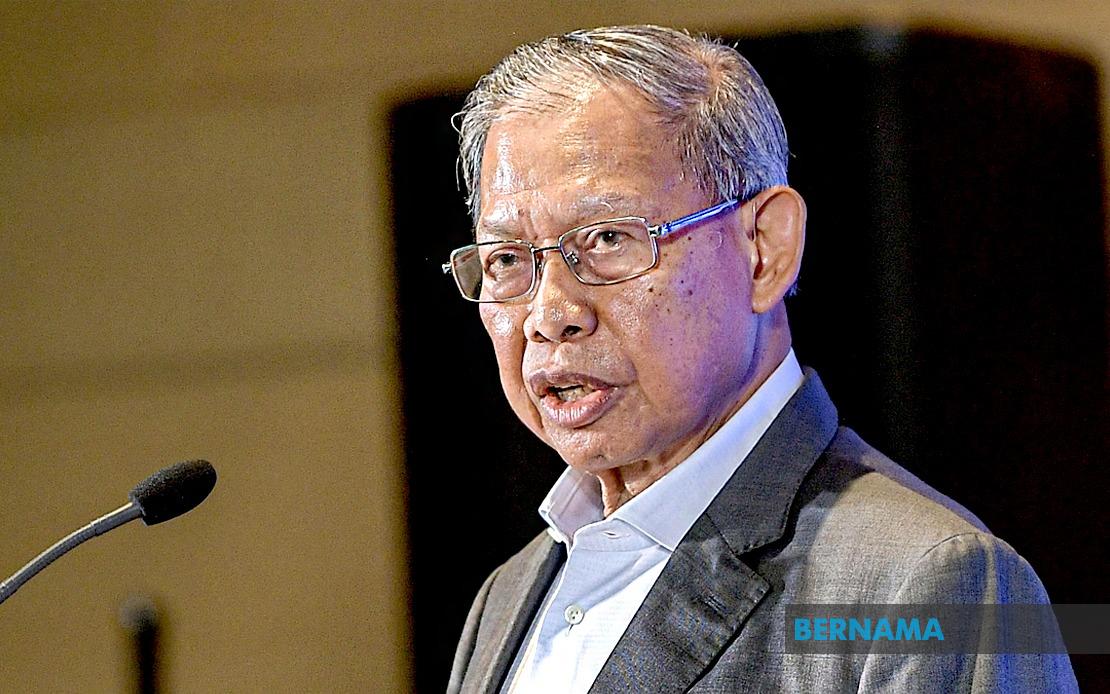
At 76 years old, veteran politician Datuk Seri Mustapa Mohamed has made clear his retirement from electoral politics is final. Speaking at a "Welcome Home" event in Pasir Mas organised alongside Independence Month celebrations, the former Jeli Member of Parliament closed the door on any possibility of standing in the 16th General Election, reasoning that Malaysia's younger generation must now shoulder the responsibility of national leadership. His remarks signal a deliberate generational shift within UMNO as the party navigates its leadership structure and seeks to refresh its parliamentary representation ahead of what is expected to be a closely contested national poll.
Mustapa's physical circumstances inform his decision to step away from the demands of electoral campaigning and parliamentary duties. He acknowledged candidly that his mobility has declined and that the rigours of contesting and serving as an MP would be inappropriate given his age and health. Rather than interpreting this as an abdication of responsibility, he framed his withdrawal as an ethical choice, suggesting that parties ought to recognise younger leaders' legitimate claims to opportunity. This perspective reflects a broader conversation within Malaysian politics about succession planning and whether ageing political figures should voluntarily create space for emerging talent. For UMNO specifically, which has faced criticism over the past decade for retaining senior figures in key positions, Mustapa's stance carries symbolic weight.
The former Minister of International Trade and Industry did not disappear entirely from the political landscape, however. He emphasised his intention to remain involved in UMNO's work through non-electoral channels, offering mentorship, strategic counsel, and institutional knowledge to colleagues who will represent the party going forward. This distinction between stepping back from direct electoral competition and maintaining active engagement in party affairs represents a middle path that allows experienced figures to retain influence without monopolising candidacies. For Malaysian political observers, Mustapa's approach offers a template for how senior leaders might gracefully transition their roles while continuing to contribute meaningfully to their organisations.
Mustapa's political journey has itself been notable, marked by a period outside UMNO that lasted several years. He departed the party in September 2018 to join Bersatu, the relatively new party founded by former Prime Minister Mahathir Mohamad, during a turbulent period in Malaysian politics when the Pakatan Harapan coalition had just taken federal power. That move reflected the fluidity and repositioning that occurred during that era. His return to UMNO in June of this year—rejoining the party he had served for decades—closed a chapter on his time in Bersatu and signalled his recommitment to the Umno-led coalition structure. The timing of that return, coinciding with UMNO's efforts to consolidate its position within the Barisan Nasional framework, suggested a desire to strengthen the party's institutional fabric ahead of future electoral contests.
Beyond his party commitments, Mustapa articulated plans to extend his influence through Malaysia's higher education sector. He intends to engage with students at both public and private institutions of higher learning, sharing accumulated expertise and perspectives developed across a lengthy career in trade and international relations. This academic dimension of his post-electoral life reflects recognition that intellectual contribution and mentorship of younger professionals can constitute meaningful political engagement. For Malaysian universities, particularly those with international business and public policy programmes, access to his experience could enrich curriculum and student understanding of how trade policy shapes national development.
Mustapa's declaration also occurs against the backdrop of broader questions about Malaysia's electoral timeline and political preparation. While the timing of GE16 remains subject to constitutional possibilities—it must be held by mid-2028—the political system is already contemplating candidacy questions and internal party selections. His clear statement that he will not contest removes uncertainty about one seat and one candidate slot, potentially facilitating clearer succession discussions within UMNO's Jeli division. For other veteran politicians observing Mustapa's approach, his decision might establish expectations about when and how elder statesmen ought to make way.
The remarks also carry implications for UMNO's broader narrative about renewal and modernisation. The party has faced demographic challenges in recent elections, with critics arguing that reliance on older candidate pools has limited its appeal to younger voters and professionals. Mustapa's emphasis on the younger generation's deservingness and capability aligns rhetorically with calls for the party to refresh its image and expand its intergenerational appeal. Whether other senior UMNO figures follow his example remains to be seen, but his public endorsement of giving younger leaders their due creates political pressure for the party leadership to act on such principles in candidate selection processes.
Mustapa's commitment to supporting the party through guidance and strategic input suggests that UMNO intends to develop more formalised structures for utilising the expertise of retired parliamentarians. Many political parties struggle with this transition, either losing valuable institutional knowledge or allowing former officeholders to become disruptive forces operating outside formal channels. Malaysian politics could benefit from stronger mechanisms through which experienced figures advise and mentor rising politicians, reducing both the concentration of power in ageing elites and the wastage of accumulated expertise. Mustapa's model, at least in principle, offers a path toward this outcome.
Furthermore, his insistence that Malaysia must "regain its excellence" despite physical limitations speaks to the resilience required of political movements engaged in long-term institutional development. Malaysian politics has experienced significant turbulence in recent years, with coalition realignments, legal challenges, and shifting electoral dynamics reshaping the landscape repeatedly. Mustapa's framing suggests that recovery and renewal demand sustained commitment from multiple generations of political actors, working in complementary rather than competitive roles. This perspective may resonate especially with voters fatigued by personality-driven politics and seeking parties oriented toward institutional strength and policy competence.
As Malaysia looks toward GE16, Mustapa Mohamed's retirement from electoral politics represents not a loss but a repositioning of his contribution to national life and to UMNO. His willingness to articulate clearly why he is stepping aside, rather than clinging to candidacy or fading from public view without explanation, offers a lesson in political maturity. Whether other senior figures across the political spectrum will follow his example in the coming months will be instructive regarding the health and adaptability of Malaysia's democratic institutions as they prepare for what is likely to be a consequential general election.

