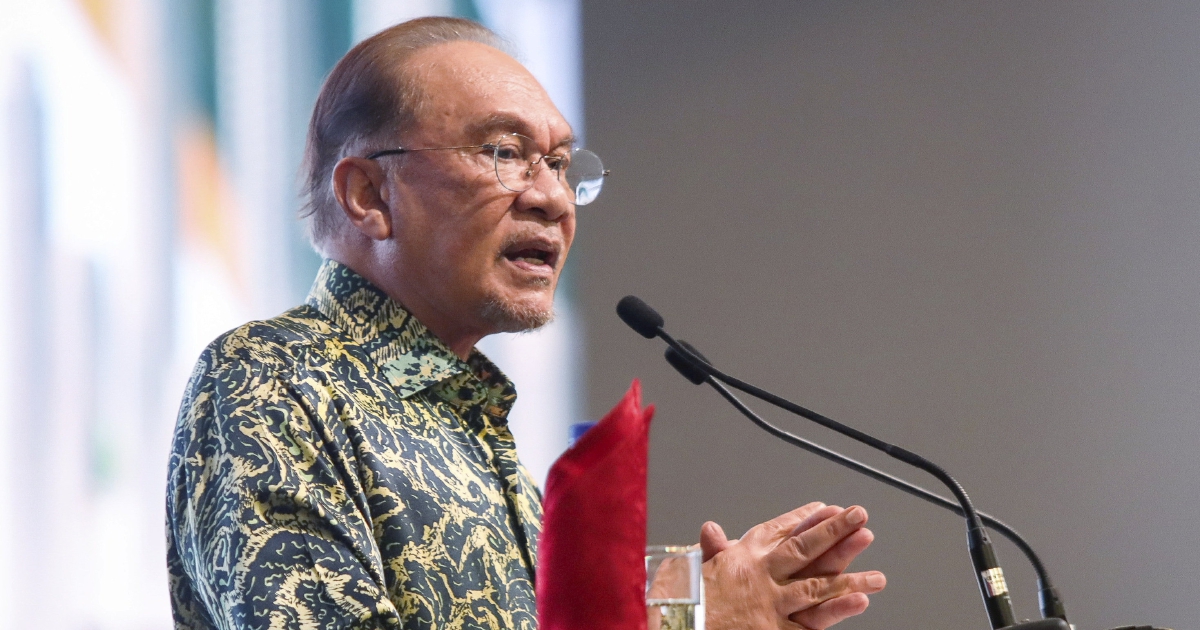
Prime Minister Datuk Seri Anwar Ibrahim announced a significant diplomatic breakthrough regarding the Rohingya crisis, revealing that Myanmar has consented to accept an initial cohort of 5,000 Rohingya refugees currently residing in Malaysia. The commitment emerged from formal negotiations between the two governments and represents a potential turning point in addressing one of Southeast Asia's most pressing humanitarian challenges.
Malaysia has hosted one of the world's largest Rohingya populations outside of camps in Bangladesh and Myanmar itself. The arrival of hundreds of thousands of Rohingya over the past decade has strained the country's resources and created considerable social tension, particularly in urban centres where refugee communities have concentrated. The government has long advocated for international responsibility-sharing in managing the crisis, arguing that burden-bearing must extend beyond the immediate region.
The repatriation agreement carries profound implications for Malaysia's policy framework on refugees and displacement. As a non-signatory to the 1951 Refugee Convention, Malaysia has technically maintained a position of temporary hosting rather than permanent settlement. This accord aligns with the government's stated preference for facilitating return rather than integration, a position that reflects both practical constraints and political considerations within the domestic constituency.
Yangon's agreement to receive returnees marks a notable shift in Myanmar's official stance on the Rohingya question. The country had previously resisted large-scale repatriation proposals, citing security concerns and demanding that Bangladesh—which hosts roughly 900,000 Rohingya—bear the primary responsibility. Myanmar's willingness to engage with Malaysia on this issue suggests evolving calculations regarding international pressure and regional stability.
The voluntary nature of any repatriation programme remains crucial to its success and legitimacy. International humanitarian organisations have emphasised that genuine consent from returning refugees is essential, as previous forced returns have drawn international condemnation. The terms under which the 5,000 would be offered the opportunity to return—including guarantees of safety, documentation, and livelihood support—will fundamentally determine whether this initiative addresses the crisis or exacerbates vulnerability for those involved.
For Malaysia, this breakthrough provides a framework for addressing one of its most complex policy challenges. The presence of such a substantial refugee population has complicated labour market dynamics, strained public services in concentrations like Ampang and Cheras, and created periodic eruptions of social friction. Reducing the overall number through voluntary repatriation could ease these pressures while demonstrating to Kuala Lumpur's citizens that the government has adopted concrete measures to manage the situation.
The regional context surrounding this accord cannot be separated from broader ASEAN dynamics and China's Belt and Road influence in Myanmar. As Beijing deepens economic ties with Naypyidaw and invests substantially in infrastructure projects, regional stability considerations weigh increasingly on Myanmar's calculus. Cooperative engagement with ASEAN neighbours on refugee management potentially serves Naypyidaw's interests in demonstrating responsible governance and reducing sources of regional friction that might invite external intervention.
Implementation challenges will likely prove formidable. Verifying the identity of returnees, ensuring they possess documentation recognising their status in Myanmar, and guaranteeing their physical safety represent complex operational hurdles. Historical experiences with repatriation programmes in the region suggest that bureaucratic obstacles, local resistance, and resource constraints can severely hamper even well-intentioned agreements. The credibility of this accord will ultimately rest on whether the initial 5,000 are successfully returned and their integration is demonstrable.
The agreement also reflects shifting international attention and pressure. The 2017 military crackdown that triggered the exodus to Bangladesh has faded from headline prominence, but the underlying grievances driving the Rohingya crisis remain unresolved. Neither Myanmar's government nor the international community has satisfactorily addressed questions of citizenship, land rights, or accountability—issues that will necessarily resurface as repatriation accelerates.
For other nations in Southeast Asia managing refugee populations, this development offers both precedent and caution. The accord demonstrates that bilateral negotiations can yield concrete results even on contentious humanitarian issues, yet it also underscores how regional solutions may fall short of addressing root causes. The durability of this arrangement will partly depend on whether Myanmar undertakes systemic reforms addressing the conditions that generated the initial displacement.
Under the terms announced, the initial 5,000 represents merely the first tranche of a potentially larger movement. Negotiations around subsequent cohorts, phasing timelines, and monitoring mechanisms will require sustained diplomatic engagement. The success of this inaugural group will shape the trajectory of future repatriations and either build momentum for further returns or provide justification for renewed delays and complications.

