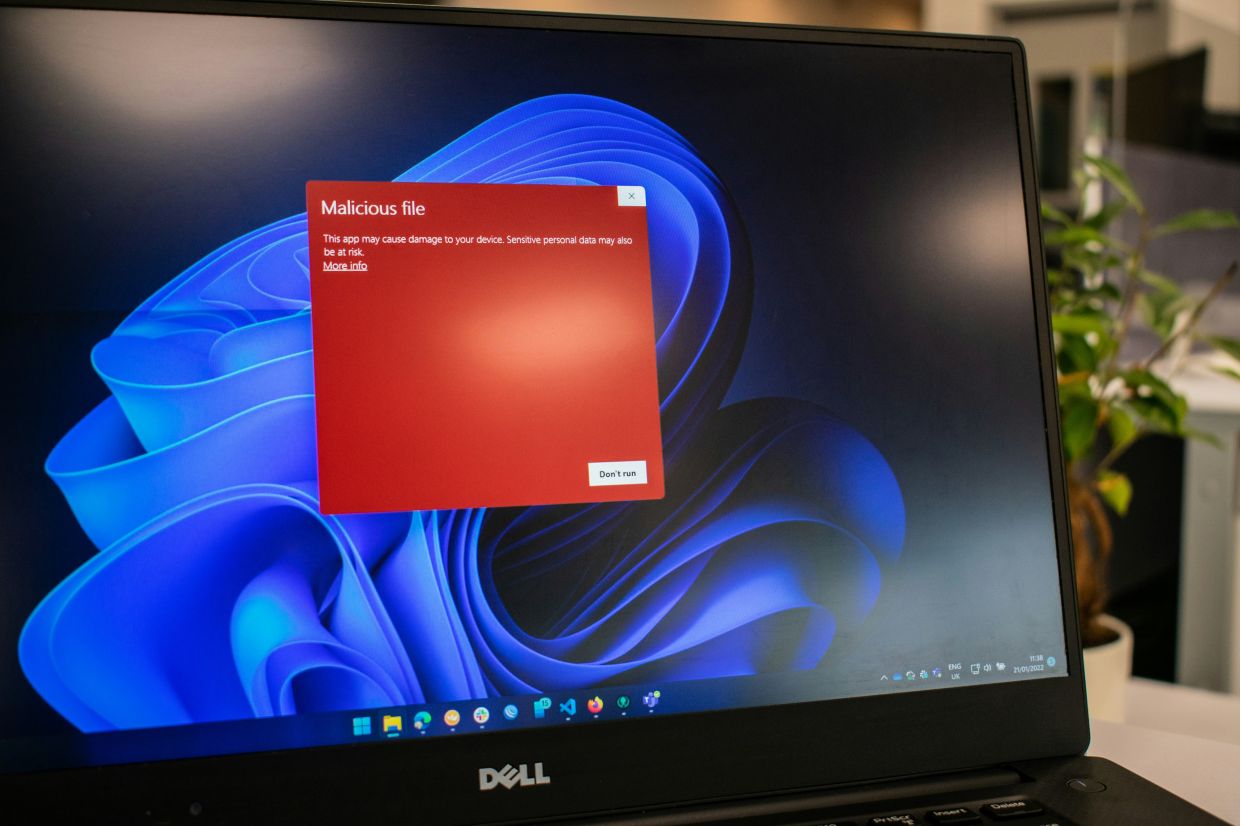
Malaysia's Computer Emergency Response Team (MyCert) has raised the alarm about a sophisticated malware campaign leveraging WhatsApp's web and desktop platforms to distribute dangerous software to Windows users. The attack relies on social engineering techniques where perpetrators pose as creditors or financial institutions, dispatching messages containing file attachments that mimic legitimate financial paperwork to trick recipients into opening them.
The malicious files employ misleading naming conventions designed to lower users' guard. Examples circulating in the wild include "Acknowledgment of Debt.vbs", "Sila semak bil anda.vbs", "December statement of account.vbs", and "Reconciliation.vbs". While these filenames suggest PDF documents or standard office files that would typically be safe to open, they are actually Visual Basic Script files—a programming language that executes instructions directly on a computer. The deceptive naming strategy exploits users' familiarity with financial correspondence and their expectations about document types, making the attack particularly insidious.
The infection mechanism is relatively straightforward but highly damaging. When a user opens or executes one of these .vbs files, the embedded script automatically runs without requiring explicit user confirmation. This immediate execution triggers the installation of malicious software onto the compromised system, setting the stage for unauthorised access and data theft. For cybercriminals, the efficiency of this approach represents a low-friction entry point into targeted systems, particularly among users who may not be accustomed to scrutinising file extensions or verifying document authenticity before opening them.
The payload installed by these scripts is particularly concerning for Malaysian users and organisations. A Remote Access Trojan, or RAT, represents one of the most dangerous categories of malware in circulation today. Once deployed, a RAT grants attackers complete remote control over the infected device. This capability extends beyond simple file theft—cybercriminals can observe everything happening on the screen, capture keystrokes, manipulate system settings, and maintain persistent access even after the computer is restarted. The sophistication lies in the attacker's ability to operate covertly, maintaining a foothold long after the initial infection.
Particularly alarming is the malware's capacity to disable security mechanisms that would normally alert users to danger. By neutralising security prompts and evading antivirus detection, the malware operates silently in the background. This stealth functionality enables attackers to capture sensitive information entered into the compromised system with minimal risk of discovery. For Malaysian users, this represents a direct threat to banking security. Passwords, personal identification numbers, and one-time passwords that users enter while accessing their bank accounts, investment platforms, or government services can all be harvested by the attackers without triggering any visible warning signs.
MyCert's advisory provides immediate protective steps for users. The foremost recommendation is straightforward: never open or execute suspicious files received through messaging applications, and critically, never forward such files to others, as this only expands the attack surface. However, for those who have already fallen victim to the attack, MyCert emphasises treating the device as fully compromised. A single decision to open a malicious file can undermine all other security measures previously in place on that computer.
For users who suspect they may have been infected, the priority should be immediate damage control. Disconnecting the compromised device from the internet immediately cuts off the attacker's remote access capabilities and prevents further data exfiltration. This step should be taken before attempting any recovery efforts. Users with corporate devices face an additional obligation to notify their organisation's information technology team without delay, as the infection could potentially serve as a gateway to broader network compromise affecting colleagues and sensitive company data.
Comprehensive account security requires users to assume all passwords and authentication credentials entered on the infected device are now compromised. The only safe recovery path involves changing all passwords associated with accounts accessed on that computer—but critically, this password reset must occur from a separate, clean device. Using the already-infected computer to change passwords would simply provide attackers with the new credentials. This includes passwords for email accounts, financial institutions, social media platforms, government portals, and any other services accessed on the compromised machine.
Standard antivirus software proves inadequate for removing RATs of this sophistication. Users should not rely on conventional malware scans to detect and eliminate the infection, as these tools often miss the deeper hooks that RATs establish within a system. MyCert recommends engaging professional cybersecurity assistance to properly forensicate and clean the infected device. This may involve services from reputable cybersecurity firms, authorised computer repair shops with malware expertise, or, for corporate users, escalation to specialist internal security teams.
Reporting mechanisms provide crucial intelligence for Malaysian cybersecurity authorities and help protect the wider community. Users who receive suspicious messages should report them directly through WhatsApp's reporting features while simultaneously contacting MyCert. The Cyber999 reporting email ([email protected]) accepts reports that should include screenshots of the malicious message, precise timestamps, and the sender's phone number. Providing detailed information helps MyCert track attack patterns, identify actors, and issue increasingly specific warnings to vulnerable populations.
The campaign highlights a fundamental vulnerability in how Malaysians interact with digital financial systems. As online banking penetration deepens across the country and WhatsApp remains the messaging platform of choice, the combination creates an attractive vector for cybercriminals targeting both individual consumers and small businesses. For Malaysian organisations processing financial data, this represents a significant operational security concern requiring urgent employee awareness training and endpoint protection review.

