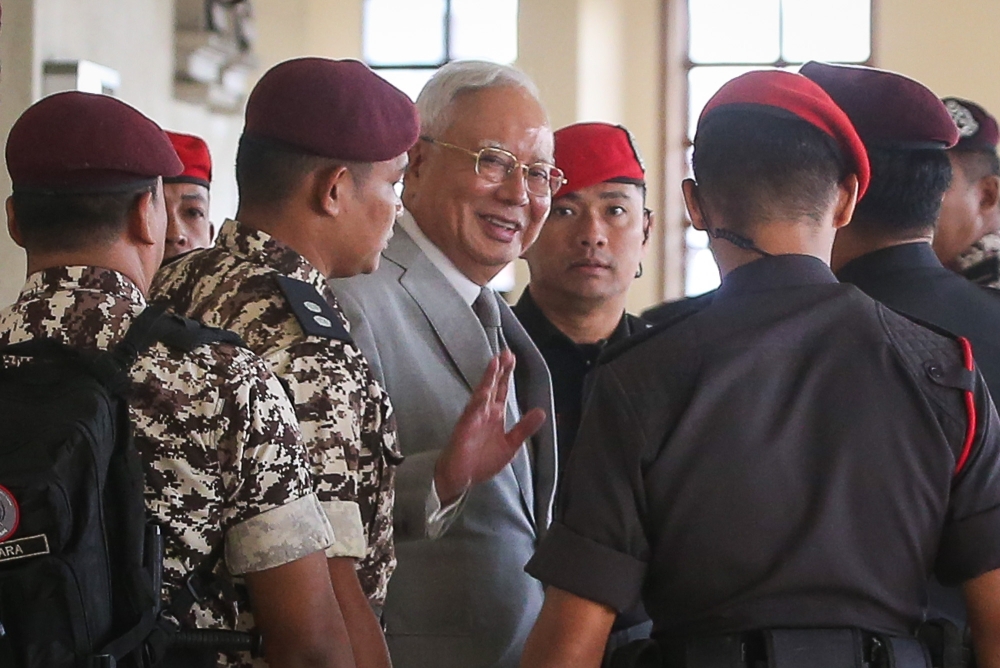
Datuk Seri Najib Razak, Malaysia's former prime minister, is preparing for a significant medical intervention next week when he enters Serdang Hospital to undergo a heart procedure. The scheduled operation represents a notable moment for the veteran politician, who has maintained a public presence despite facing considerable legal and political challenges in recent years.
The former premier, who led the country for nearly a decade until his administration's defeat in the 2018 general election, has been transparent about the need for the cardiac intervention. Serdang Hospital, located in the Klang Valley and one of Malaysia's leading government medical facilities, will host the procedure. While specific technical details about the nature of the intervention remain undisclosed, such procedures are increasingly routine in contemporary cardiology, with modern techniques offering favourable outcomes for patients across various age groups.
Najib's health management comes during an exceptionally demanding period of his life. The former premier has been entangled in multiple legal disputes stemming from his tenure as both prime minister and finance minister, with investigations and court proceedings consuming considerable time and resources. His latest health development underscores how senior political figures in Malaysia must often juggle high-stakes legal battles with personal wellbeing considerations, a reality that has become increasingly visible in Malaysian public discourse.
The hospital visit also highlights the broader context of Malaysia's political landscape, where prominent figures from previous administrations remain in the public eye despite electoral defeat. Najib has remained politically active through various channels, including his social media presence where he regularly comments on contemporary issues. His scheduled absence for medical treatment will inevitably affect his engagements and public appearances in the coming weeks.
From a healthcare perspective, the Serdang Hospital procedure represents confidence in Malaysia's domestic medical infrastructure. Government hospitals in the country have significantly advanced their cardiac care capabilities over the past decade, attracting patients regionally and internationally. The decision to undergo treatment locally rather than seek care abroad reflects both the quality of Malaysian medical expertise and potentially practical considerations regarding his ongoing legal proceedings.
The former PM's medical situation also carries symbolic weight in Malaysian political narrative. His trajectory from the highest office to his current circumstances has been closely watched by observers interested in how the country processes political transitions and accountability. This latest development in his personal life serves as a reminder of the human dimension underlying political stories that often focus exclusively on institutional and procedural matters.
Najib's continued presence in Malaysian public life remains contentious. His supporters maintain that his achievements during his tenure warrant recognition, whilst critics point to governance concerns and legal findings against him. Regardless of political viewpoint, his status as a former prime minister requiring medical intervention touches on broader questions about political legacy, accountability, and rehabilitation that Malaysian society continues to navigate.
The timing of the procedure, falling within a relatively quiet period of the parliamentary calendar, appears strategically sensible from a logistical standpoint. His legal team and political associates will likely manage his various obligations during his hospital recovery period. The procedure's duration and recovery timeline remain undisclosed, leaving uncertainty about his public availability in the immediate weeks following the intervention.
Serdang Hospital's selection carries practical implications worth noting. The facility's proximity to Kuala Lumpur's commercial and government hubs means convenient access for family members and associates. Additionally, the hospital's specialised cardiac unit provides comprehensive post-operative care capabilities, essential for ensuring successful recovery from such procedures.
For Malaysian observers following his story, Najib's upcoming hospital visit represents yet another chapter in a remarkably complex public life. Whether viewed as a cautionary tale, a political tragedy, or an ongoing battle for vindication depending on one's perspective, the former prime minister continues to command media attention and public interest. His medical intervention, whilst primarily a private health matter, inevitably carries public dimensions given his historical prominence.
The broader implications of such high-profile medical interventions for senior political figures extend beyond the individual. They raise questions about succession planning, power vacuums, and how political movements and institutions adapt when key figures become temporarily or permanently unavailable. In Malaysia's ongoing political evolution, the management of prominent figures during vulnerable periods remains instructive for understanding institutional resilience and governance structures.

