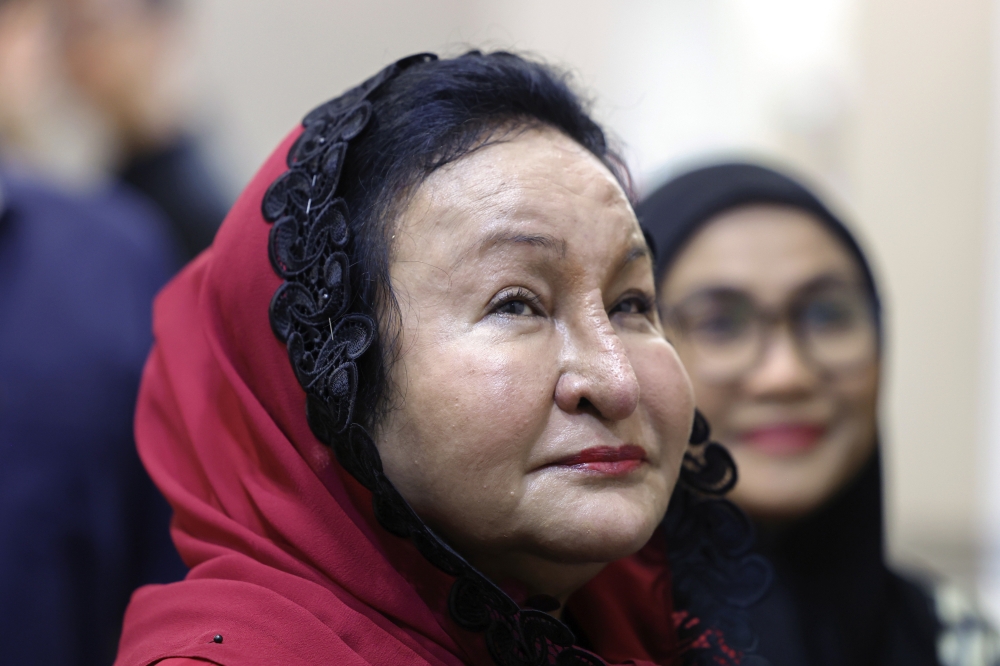
Former Prime Minister Datuk Seri Najib Razak is set to undergo a scheduled medical intervention targeting arterial plaque accumulation, his wife Datin Seri Rosmah Mansor confirmed on Friday. The procedure, which aims to clear blockage threatening blood flow through a major vessel, represents another personal health development in the high-profile political figure's life during a period already marked by extensive legal challenges.
Rosmah made the disclosure public without providing extensive details about the timing or location of the planned intervention, though such procedures are typically performed in accredited medical facilities equipped with vascular specialist teams. The announcement comes as Najib continues to manage multiple legal proceedings in Malaysian courts, where he faces numerous charges related to the 1Malaysia Development Berhad scandal and other financial allegations.
Arterial plaque buildup, a common cardiovascular condition affecting individuals across demographics, occurs when fatty substances accumulate along vessel walls, narrowing passages through which blood flows. When significant blockages develop, medical professionals typically recommend intervention to restore proper circulation and reduce the risk of potentially catastrophic events such as stroke or heart attack. The former leader's case exemplifies how individuals in demanding public positions may face compounded stress on their physical systems.
The timing of this health announcement intersects with Najib's ongoing court calendar, where proceedings have stretched across multiple years. His legal team manages representation across several simultaneous cases, each demanding substantial attention and personal presence. The disclosure by Rosmah provides insight into the private challenges accompanying his public legal struggles, a dimension rarely discussed in political discourse but relevant to understanding the complete context of his current circumstances.
For Malaysian observers monitoring the former premier's trajectory, the health disclosure underscores the physical toll that extended legal processes and political controversy can impose. Beyond the immediate medical concern, such procedures often necessitate recovery periods that may affect participation in court appearances, media engagements, or other commitments depending on the complexity of the intervention and individual healing timelines.
The announcement also reflects how family members sometimes serve as communicators for sensitive personal information, particularly when medical matters intersect with public figures whose every move generates significant media attention. Rosmah's statement, delivered through conventional announcement channels, established a framework for public understanding without detailed medical disclosure that might compromise patient privacy.
Clinically, vascular procedures addressing plaque accumulation have evolved substantially over recent decades, with minimally invasive techniques now offering alternatives to traditional surgery in many cases. The specific approach selected for Najib's situation would depend on diagnostic assessments determining the precise location, extent, and nature of the blockage, alongside consideration of individual health factors and medical history.
From a broader public health perspective, the disclosure contributes to ongoing conversations about cardiovascular wellness affecting Malaysia's ageing population and individuals experiencing sustained stress. High-profile cases like this often prompt increased awareness and consultation patterns as members of the public reassess their own health profiles and seek preventive evaluation.
The medical situation unfolds against backdrop of Najib's complex position within Malaysian politics and society. Once commanding the nation's highest office, he now navigates a vastly altered landscape where legal vulnerability defines much of his public engagement. Personal health matters, while ordinarily private concerns, become matters of broader interest when they affect individuals of such historical significance.
Rosmah herself has faced her own series of legal proceedings and public controversies, making the couple's recent years notably eventful on multiple fronts. Her willingness to publicly address her husband's upcoming medical procedure suggests a strategic approach toward managing public narrative during periods of legal jeopardy, acknowledging concerns while maintaining appropriate privacy boundaries.
The procedure, once completed successfully, could require weeks or months of adjusted activity and medical monitoring depending on its nature and outcome. Such recovery periods might influence Najib's schedule for court appearances, though Malaysian judicial processes generally accommodate reasonable medical-related requests for adjournment when properly documented through healthcare providers.
Looking forward, the announcement raises questions about how extended legal processes and health considerations might intersect in coming months. The Malaysian legal system, while comprehensive in its procedures, sometimes stretches cases across years, and participants' physical circumstances inevitably factor into the practical realities of sustained litigation.

