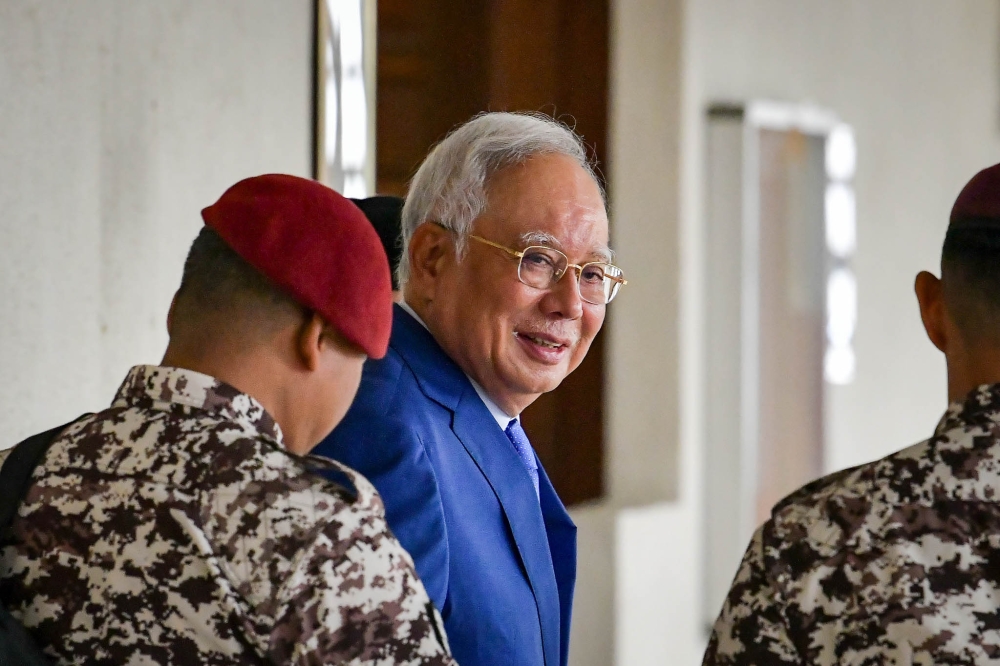
Former Malaysian Prime Minister Datuk Seri Najib Razak has successfully completed a coronary intervention procedure and is recovering in stable condition, with attending physicians confirming that no stent placement was required during the treatment. The 71-year-old political figure underwent the medical procedure at a leading health facility, where a team of cardiologists assessed his coronary condition and determined that the intervention could be completed without the insertion of a stent, a common device used to maintain blood vessel patency.
The news of Najib's hospitalization and subsequent procedure comes amid ongoing public interest in the health status of Malaysia's elder statesmen. His medical team has provided reassurance to his family and the broader public by releasing updates on his condition, emphasizing that the procedure was executed successfully and that he has responded positively to treatment. The absence of a stent requirement suggests that the underlying coronary issue was managed through alternative interventional techniques, which may include balloon angioplasty or simply investigative catheterization to assess and potentially clear arterial blockages.
Coronary procedures of this nature are relatively routine in modern cardiology, though they carry inherent risks that require careful monitoring and expert medical judgment. The decision to proceed without stent placement indicates that the attending physicians determined the patient's coronary vessels were sufficiently clear or responsive to the intervention performed, reducing the need for additional structural support. This outcome represents a favorable prognosis and typically suggests a shorter recovery period compared to cases requiring stent implantation, which demand longer-term antiplatelet medication regimens.
Najib's health incident resonates beyond personal concern, as it reflects the aging demographic profile of Malaysia's political leadership. The country's top political figures have increasingly faced health-related challenges in recent years, prompting discussions about succession planning and governance continuity within various political parties and government institutions. The transparency with which his medical team has communicated his condition also underscores evolving standards for public disclosure regarding the health of prominent political figures, a practice that varies significantly across Southeast Asian nations.
The timing of this medical event occurs within a complex political landscape in Malaysia, where Najib remains a significant figure within the United Malays National Organisation (UMNO) and continues to exercise considerable influence over party direction and strategy. His political relevance has been sustained despite previous convictions and ongoing legal proceedings, demonstrating the enduring factional dynamics within UMNO and the broader ruling coalition. The stability of his health condition may carry implications for internal party politics and upcoming electoral calculations.
Coronary artery disease represents one of the leading health challenges affecting aging populations across Southeast Asia, driven by lifestyle factors, dietary patterns, and increasing stress levels associated with rapid urbanization. Malaysia's healthcare system has made substantial investments in cardiology facilities and expertise, with major urban centers now offering world-class interventional cardiology services comparable to international standards. The successful management of Najib's condition reflects these advances in medical infrastructure and professional capability.
The procedure also highlights the importance of regular health screening among high-risk populations, particularly among individuals in their seventh decade of life who may have underlying cardiovascular risk factors. Early detection of coronary artery stenosis through modern diagnostic imaging and stress testing can enable preventive interventions that avoid more serious cardiac events. Medical professionals have increasingly advocated for proactive cardiovascular assessment among Malaysia's aging political and business leadership, recognizing that sudden cardiac events could precipitate institutional crises.
Najib's recovery trajectory will likely be monitored closely by both his family circle and relevant medical institutions, with follow-up appointments and cardiac rehabilitation programs forming part of his post-procedure management. Depending on his underlying risk profile, his medical team may recommend lifestyle modifications, pharmacological management with antiplatelet and statin therapy, and regular imaging follow-up to assess the durability of the intervention performed. Compliance with these recommendations becomes crucial for long-term cardiovascular stability and prevention of recurrent events.
The successful outcome of this procedure also carries broader significance for public health communication in Malaysia. When prominent figures undergo serious medical events and recover favorably, it can encourage wider segments of the population to seek preventive cardiovascular screening and to take seriously their own health risks. Conversely, medical incidents among public figures also underscore the vulnerability of even powerful individuals to health challenges, potentially shifting perceptions about aging and political capability.
Looking forward, Najib's medical team will emphasize the importance of sustained lifestyle management, including dietary modification, regular physical activity appropriate to his recovered cardiovascular status, stress management, and adherence to prescribed medications. His case exemplifies how modern interventional cardiology has transformed the prognosis for individuals presenting with acute or subacute coronary syndromes, moving from a era where such events were frequently fatal to one where skilled intervention can preserve cardiac function and enable continued quality of life.
The political implications of this health event remain to be seen, though it underscores the vulnerability of an aging political cohort and the importance of institutions developing robust succession and contingency planning. As Malaysia's political establishment continues to age, questions about health transparency, medical decision-making capacity, and institutional continuity will likely remain relevant topics for public discourse and constitutional consideration.

