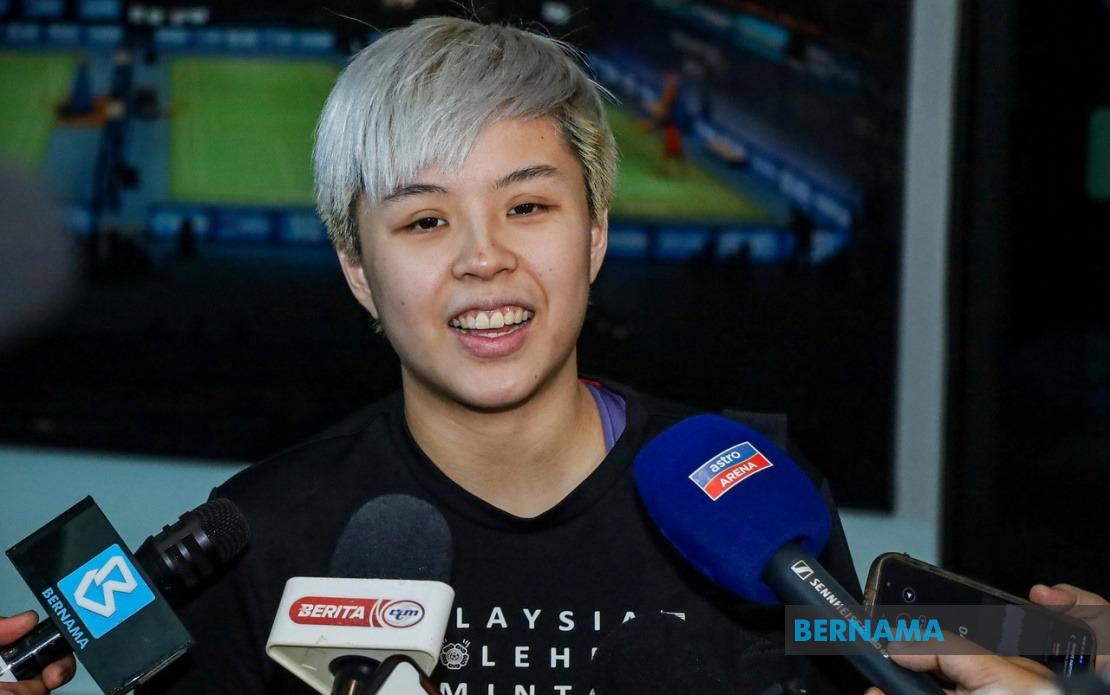
Toh Ee Wei, Malaysia's promising mixed doubles badminton player, has completed surgical repair of her left knee in Melbourne, Australia, marking an important milestone in her recovery from a serious ligament injury. The Badminton Association of Malaysia (BAM) confirmed that the anterior cruciate ligament (ACL) procedure took place successfully, with the athlete now transitioning into the critical rehabilitation phase that will determine her timeline for competitive return.
The injury that necessitated surgery occurred during the Singapore Open 2026 quarter-final match in May, a pivotal moment in the tournament when Ee Wei's participation was cut short by the acute knee damage. ACL injuries represent among the most serious concerns in badminton, where the explosive lateral movements and rapid directional changes place immense stress on the ligamentous structures supporting the knee joint. For a professional athlete operating at national level, such injuries can derail career momentum and require extensive physiotherapy to restore full function.
BAM's formal statement indicated that comprehensive medical and rehabilitation infrastructure will be mobilised to support Ee Wei's recovery journey. The association's commitment extends beyond surgical intervention to encompass physiotherapy, strength conditioning, and gradual return-to-play protocols that must be carefully sequenced to prevent re-injury. This multi-disciplinary approach reflects international best practices in sports medicine and recognises that surgical success alone does not guarantee athletic recovery.
Ee Wei expressed gratitude for the outpouring of encouragement she has received from supporters, teammates, and the broader badminton community during the weeks preceding her operation. Her statement conveyed both relief at the surgical outcome and steely determination regarding the demanding rehabilitation process ahead. Such mental resilience proves as important as physical recovery when athletes face extended periods away from competition, particularly those accustomed to the demands of elite badminton where conditioning and tactical sharpness erode during prolonged absence.
The timing of this injury and subsequent surgery carries implications for Malaysia's badminton calendar and international tournament schedule. Mixed doubles partnerships depend on training continuity and on-court chemistry between partners, meaning Ee Wei's absence will necessitate adjustment of competitive plans for BAM. Her mixed doubles partner and coaching team must maintain fitness levels while accommodating her rehabilitation timeline, creating logistical and strategic challenges for Malaysian badminton management.
ACL injuries in badminton typically require six to nine months minimum before athletes return to competitive play, with some requiring longer depending on injury severity, surgical technique, and individual healing capacity. Ee Wei's actual return date remains uncertain, dependent on how her knee responds to rehabilitation exercises, strength regain, and proprioceptive retraining designed to restore her confidence in explosive movement patterns. Premature return to competition risks catastrophic re-injury that could prove career-threatening.
The incident underscores the inherent physical risks in badminton, a sport demanding repeated rapid acceleration, deceleration, and lateral movement that places particular stress on the anterior cruciate ligament. Court surfaces, footwear technology, and conditioning protocols all influence injury risk, and national federations like BAM continuously evaluate whether additional injury-prevention measures could be implemented during training and competition.
From a Southeast Asian perspective, Ee Wei's injury impacts Malaysia's mixed doubles depth ahead of major regional competitions. Thailand and Indonesia have been strengthening their badminton programs substantially, making any disruption to Malaysia's player availability consequential for regional competitive positioning. Her recovery success will influence whether Malaysia can maintain its historical badminton excellence across all disciplines.
Ee Wei's journey through surgery and rehabilitation will likely be documented within Malaysian sports circles, potentially serving as a case study for younger athletes regarding proper injury management, the importance of following medical guidance, and the possibility of returning to elite competition after serious setback. Her public communications about this experience may influence how other Malaysian athletes approach career-threatening injuries, either by normalising the recovery process or by highlighting the psychological demands accompanying extended rehabilitation.
The Badminton Association's statement reflects institutional responsibility for athlete welfare beyond immediate competitive results. Modern sports federations increasingly recognise that player longevity and career satisfaction extend beyond winning tournaments, encompassing proper medical care, mental health support, and genuine concern for athletes' long-term wellbeing. BAM's commitment to Ee Wei demonstrates this evolving standard in Malaysian sports administration.

