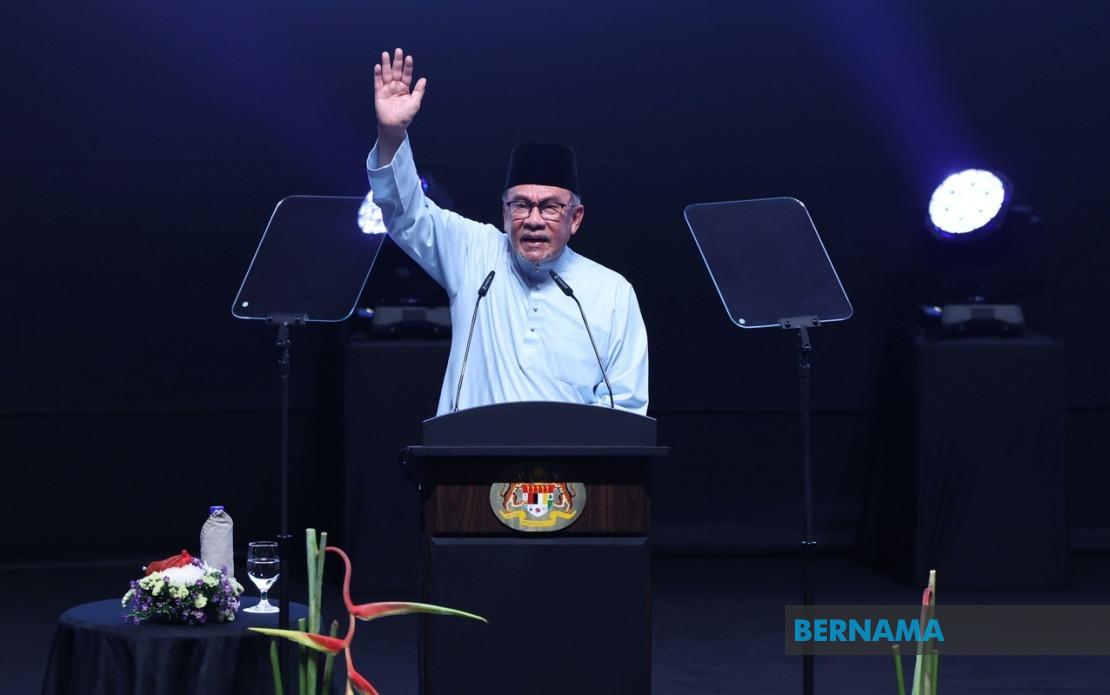
The 2026 National Day Prime Minister's Address Ceremony will take place at 2 pm at the Putrajaya International Convention Centre (PICC), the Ministry of National Unity announced on Thursday. The timing and venue represent a strategic adjustment aimed at safeguarding attendees and the broader public while maintaining the integrity and ceremonial importance of Malaysia's premier national celebration.
The decision to reschedule the ceremony reflects a broader commitment to public welfare during periods of environmental challenge. Officials acknowledged that current atmospheric conditions, particularly widespread haze affecting multiple states, necessitated a pragmatic revision of original plans. The ministry emphasised that the relocation from Dataran Merdeka in Kuala Lumpur to the purpose-built conference facility in Putrajaya ensures both the health and comfort of dignitaries, guests, and citizens participating in the event.
According to forecasts from the Malaysian Meteorological Department, haze concentrations were expected to escalate significantly across Johor, Melaka, Negeri Sembilan, Selangor, Kuala Lumpur, and Putrajaya through August 31, while Sabah faced deteriorating visibility. Director-general Dr Mohd Hisham Mohd Anip had flagged these conditions earlier, prompting the National Day and Malaysia Day Celebration Working Committee, which operates under the Ministry of Communications, to recommend the venue change. The shift to an indoor venue at PICC effectively neutralises air quality concerns and allows the ceremony to proceed without interruption or health risks.
The Prime Minister's address ceremony functions as a cornerstone national occasion, serving purposes beyond ceremonial tradition. The Ministry of National Unity characterised the event as a vital platform through which the MADANI government articulates its vision, reinforces the nation's independence narrative, and strengthens bonds of patriotism among Malaysians. The ceremony provides an opportunity for leadership to communicate directly with citizens about aspirations, achievements, and the collective responsibilities that underpin national progress and social cohesion.
In its statement, the ministry framed the National Day celebration as more than a commemorative event, positioning it instead as a deliberate exercise in nation-building. By emphasising themes of mutual understanding, respect for diversity, and shared acceptance of Malaysia's multicultural fabric, officials signalled that the ceremony carries expectations beyond formal proceedings. The narrative suggests that National Day celebrations serve governmental purposes in reinforcing ideological commitments to harmony and progress, particularly important in a diverse Southeast Asian context where social unity often requires active cultivation and reaffirmation.
The relocation to PICC, while operationally straightforward, carries subtle implications for how Malaysia's national ceremonies adapt to environmental and climatic pressures. The move from Dataran Merdeka—historically the symbolic heart of Malaysian independence commemorations—to a modern convention centre represents a pragmatic pivot that prioritises participant welfare without diminishing ceremonial significance. This flexibility demonstrates how institutions can balance tradition with contemporary public health imperatives, a consideration increasingly relevant across Southeast Asia as environmental challenges become more pronounced.
The ministry's invitation extended to all Malaysians to attend the ceremony underscores the inclusive aspirations embedded within national day celebrations. Such invitations acknowledge that National Day transcends governmental circles, instead functioning as occasions for broader public participation in collective identity formation. The inclusive framing suggests that attendance carries meaning beyond passive observation, positioning participants as active stakeholders in the perpetuation of national values and the renewal of social contracts binding citizens to their nation-state.
For Malaysian audiences and regional observers, the timing and venue adjustments reflect broader institutional adaptation to climate variability and air quality challenges that increasingly characterise the Southeast Asian region. Haze events, often originating from transboundary sources, have become recurrent phenomena affecting national planning cycles. Malaysia's response—systematically adjusting major state events to accommodate air quality forecasts—exemplifies how governance must incorporate environmental realities into ceremonial and administrative calendars. The precedent established through the 2026 National Day adjustment may influence how future major events are scheduled and located.
The PICC venue offers practical advantages beyond protection from haze. As a modern, climate-controlled facility, it accommodates large audiences while facilitating broadcast and media coverage, ensuring the Prime Minister's message reaches Malaysians nationwide regardless of physical attendance. This technological capacity transforms the venue selection into a consideration affecting not merely on-site experience but the national circulation of state messaging, making the Prime Minister's address accessible to citizens across geographical and environmental boundaries.
From a governance perspective, the adjustment demonstrates responsive institutional behaviour to emerging challenges. Rather than rigidly adhering to historical precedent, the Ministry of National Unity and its partner agencies assessed conditions, consulted meteorological expertise, and modified plans accordingly. This approach reflects an evolved understanding that effective governance requires balancing respect for tradition with adaptability to contemporary realities—a particularly valuable lesson for Southeast Asian democracies navigating rapid environmental and social change.
The ceremony's postponement until 2 pm, rather than earlier morning hours typical of national celebrations, provides additional practical benefits. The afternoon timing may allow haze conditions to stabilise slightly while ensuring adequate daylight for ceremonial proceedings and media documentation. The specific hour represents the culmination of coordination between multiple agencies—the Ministry of National Unity, the Ministry of Communications, the meteorological department, and PICC management—illustrating the complex logistical choreography underlying major state events that appear deceptively simple to public audiences.
Looking forward, the 2026 National Day ceremonies offer insights into how Malaysian governance adapts ritual and tradition to environmental constraint without abandoning their symbolic or political significance. The successful execution of this relocated ceremony may establish templates for future national occasions, particularly given forecasts suggesting haze challenges will persist regionally. For Malaysians and observers throughout Southeast Asia, the National Day arrangements exemplify how contemporary nation-states integrate scientific information, public welfare considerations, and symbolic imperatives—a balancing act increasingly central to effective governance in the twenty-first century.

