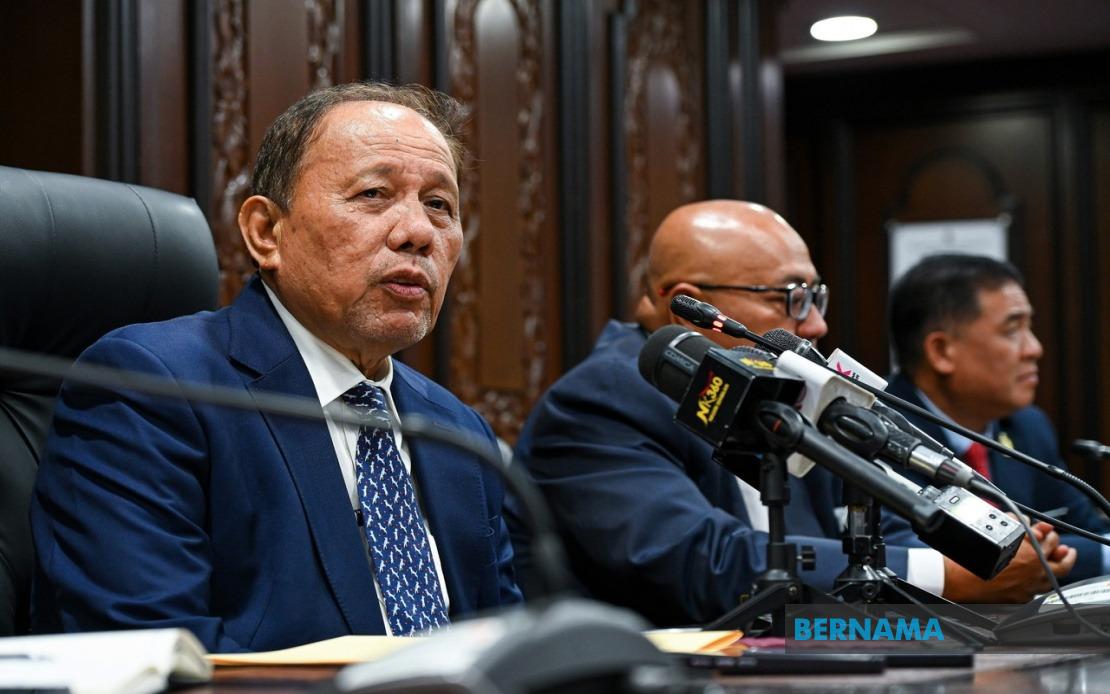
Negeri Sembilan's newly installed state administration has committed to maintaining current residential assessment tax rates without increase for the next five years, according to Menteri Besar Datuk Ismail Lasim. The freeze was formally endorsed during today's State Executive Council meeting and represents a significant commitment to household financial stability in the state. This pledge comes at a time when many Malaysian households face mounting expenses, making the decision particularly relevant for homeowners in the sultanate who might otherwise have anticipated tax adjustments.
The government's resolution to shelve any planned hike marks a departure from the trajectory that had been anticipated by local authorities in the state. Prior to this intervention, the relevant local government bodies were conducting feasibility studies for an assessment tax increase that would likely have come into effect either in January or July of the upcoming fiscal period. By choosing to prevent these increases, the state administration has signalled its prioritisation of household affordability over potential incremental revenue streams for municipal operations.
Menteri Besar Ismail framed the decision as integral to the Barisan Nasional coalition's electoral platform during the 16th Negeri Sembilan State Election, indicating that this commitment reflects promises made directly to voters. The alignment between campaign pledges and immediate executive action suggests the new administration intends to establish credibility and demonstrate responsiveness to public concerns about rising living expenses. For Malaysian taxpayers, particularly those in middle-income brackets who bear assessment obligations while managing multiple financial commitments, such measures provide tangible relief during economically uncertain times.
While the assessment tax itself remains in place, the rate freeze effectively caps the total taxation burden on residential properties for a full quinquennium. This approach preserves the revenue mechanism that local authorities depend upon for urban maintenance, infrastructure upkeep, and municipal services, while simultaneously preventing the compounding effect that successive tax increases might have accumulated over the five-year window. Such calibrated policy responses are increasingly common among Malaysian state governments attempting to balance fiscal sustainability with social considerations.
The Menteri Besar's remarks emphasised that this decision reflects the state government's broader commitment to alleviating financial strain on its population. By anchoring the policy to a definitive five-year timeline rather than making it indefinite, the administration has created a transparent framework that allows both residents and municipal planners to anticipate future adjustments beyond 2029. This temporal clarity reduces uncertainty for homeowners and provides local authorities with a known planning horizon.
Looking beyond the tax announcement, the state government has scheduled the inaugural session of the 16th Negeri Sembilan State Legislative Assembly for August 18. This sitting will encompass several procedural milestones essential to establishing the new administration's formal governance structure. The swearing-in of all state assemblymen will formally constitute the legislative body, while the election of both Speaker and Deputy Speaker will complete the constitutional framework necessary for legislative functions.
The appointment process for these leadership positions follows established protocols, with Menteri Besar Ismail indicating that the Speaker position will be filled by a non-assemblyman selected from outside the legislature, while the Deputy Speaker must be drawn from the existing pool of elected state representatives. The administration has already identified candidates for the Deputy Speaker role and will announce the selection within the coming week. The Speaker candidate has likewise been identified, though the final decision remains pending, suggesting deliberate consideration of qualifications and institutional alignment.
Beyond these procedural matters, the August 18 session will include presentation of an additional budget designed to address immediate financial requirements facing the state government. This supplementary allocation reflects the incoming administration's initial assessment of pressing fiscal needs and priority areas requiring immediate resource deployment. Such budgetary measures typically address operational shortfalls, maintenance backlogs, or new policy initiatives that the previous administration had not provisioned.
The Menteri Besar took the opportunity to articulate his expectations for the executive council during its maiden meeting, emphasising that portfolio holders must discharge their responsibilities with unwavering dedication, ethical conduct, technical expertise, and sustained commitment. His emphasis on collective functionality and individual accountability suggests an administration oriented toward operational coherence and results-driven governance. By insisting that each Exco member provide clear direction within their respective domains while maintaining alignment with overarching state government objectives, Ismail has established performance parameters that transcend mere ceremonial roles.
Coordination across departments and agencies emerges as a central concern articulated by the Menteri Besar, reflecting recognition that siloed governance frequently undermines policy effectiveness. By demanding that government entities remain synchronised with the state administration's strategic direction, the leadership has signalled intention to operate an integrated governmental machine rather than a collection of independent fiefdoms. This approach is particularly relevant for Negeri Sembilan, where efficient administration directly impacts investment climate, public service delivery, and household confidence in governance institutions.
The convergence of financial relief through the assessment tax freeze and institutional renewal through proper legislative procedures and executive discipline suggests the new state administration intends to establish itself as both responsive to constituent concerns and administratively rigorous. For residents and businesses operating within Negeri Sembilan's jurisdiction, these early signals indicate a government attentive to economic pressures while maintaining structural professionalism in governance. The coming months will test whether these commitments translate into sustained policy implementation and institutional effectiveness.

