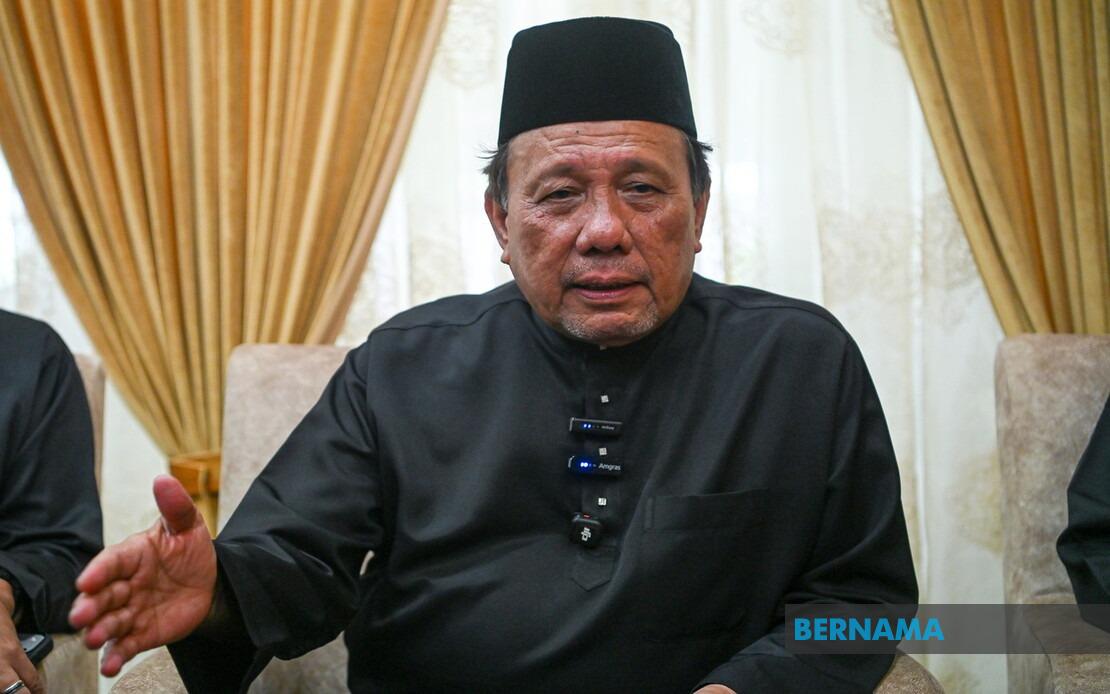
Datuk Ismail Lasim, the Menteri Besar of Negeri Sembilan, has been installed as the new chairman of Negeri Sembilan Football Club (NSFC) in a move announced in Seremban on August 14. The appointment arrives in the wake of Datuk Seri Aminuddin Harun's departure from the position, marking a transition in the state's football governance structure at a critical juncture for the club's development.
Tunku Besar Tampin Tunku Syed Razman Tunku Syed Idrus Al-Qadri, president of the Negeri Sembilan Football Association (PBNS), expressed confidence in Ismail's suitability for the role, noting that the Menteri Besar carries substantial credibility within local football circles. The appointment signals an effort to blend political leadership with sporting expertise, a strategy increasingly common across Malaysian state football administrations seeking to stabilise clubs facing financial or organisational challenges.
Ismail's credentials in football management run deep. During the 1990s and into the early 2000s, he served as manager of the state team, a period in which he developed intimate knowledge of Negeri Sembilan football's operational landscape. His later tenure as vice-president of PBNS in 2010 further cemented his standing within the institutional framework governing the sport at state level. This dual exposure to both frontline team management and administrative decision-making positions him to understand the multifaceted pressures confronting modern Malaysian football clubs.
The PBNS president characterised Ismail's return to football leadership as a homecoming of sorts, albeit in an elevated capacity. Rather than overseeing day-to-day player and coaching matters, he now assumes responsibility for charting the club's strategic trajectory. Tunku Syed Razman suggested that Ismail's prior involvement with the team had instilled in him an understanding of what the club and state represent in Malaysian football, a connection that officials argue will inform more thoughtful decision-making at the boardroom level.
Under Ismail's watch, NSFC is expected to pursue a restructured approach to club development. The framework outlined by PBNS emphasises the need for professional operations, financial sustainability, and sustained competitive performance—three dimensions that have historically challenged numerous Malaysian state football clubs struggling to balance ambition with budgetary constraints. The club intends to deepen its focus on developing younger players through structured academies and talent pathways, recognising that long-term competitiveness depends on nurturing homegrown talent rather than relying exclusively on recruitment.
Enhancing the club's commercial standing constitutes another priority under the new leadership. Malaysian football clubs have increasingly sought to diversify revenue streams beyond government allocation and sponsorship, exploring merchandise sales, ticketing strategies, and community engagement programmes that generate income while building supporter loyalty. Ismail's elevation to the chairmanship reflects a broader recognition that contemporary club management requires acumen in business operations and commercial development, not merely footballing knowledge.
The relationship between NSFC and the broader Negeri Sembilan footballing ecosystem will likely experience closer integration under Ismail's stewardship. With the Menteri Besar's office now directly represented in club leadership, there exists potential for enhanced coordination between the state government, the PBNS, and NSFC itself on policy matters, infrastructure investment, and talent identification initiatives. This alignment could facilitate more coherent long-term planning, provided that political considerations do not override sporting merit in key decisions.
For Malaysian football observers, the appointment reflects a continuing pattern whereby senior state political figures assume prominent roles in club administration. While such appointments can inject resources and governmental support into struggling franchises, they also introduce risk of politicisation, where club decisions become subordinated to electoral cycles or factional interests within state politics. The success of Ismail's tenure will likely depend on his ability to maintain professional standards and insulate football operations from partisan pressures.
Negeri Sembilan's footballing profile, though historically respectable, has not consistently competed for domestic silverware in recent seasons. The club operates in a state without the resources or football tradition of larger neighbours like Selangor or Johor, placing constraints on recruitment and infrastructure. Ismail's appointment suggests stakeholders believe experienced leadership from within state government can overcome these structural disadvantages through improved organisation and strategic positioning rather than dramatic increases in spending.
The emphasis on community and supporter relations signals recognition that sustainable club growth depends on cultivating genuine local attachment rather than treating the team as a vanity project. Building fan bases requires consistent competitive performance, accessibility to matches, and authentic engagement with supporters—domains where a leadership figure with deep roots in Negeri Sembilan society potentially possesses advantages over external appointees unfamiliar with local sensibilities and expectations.

