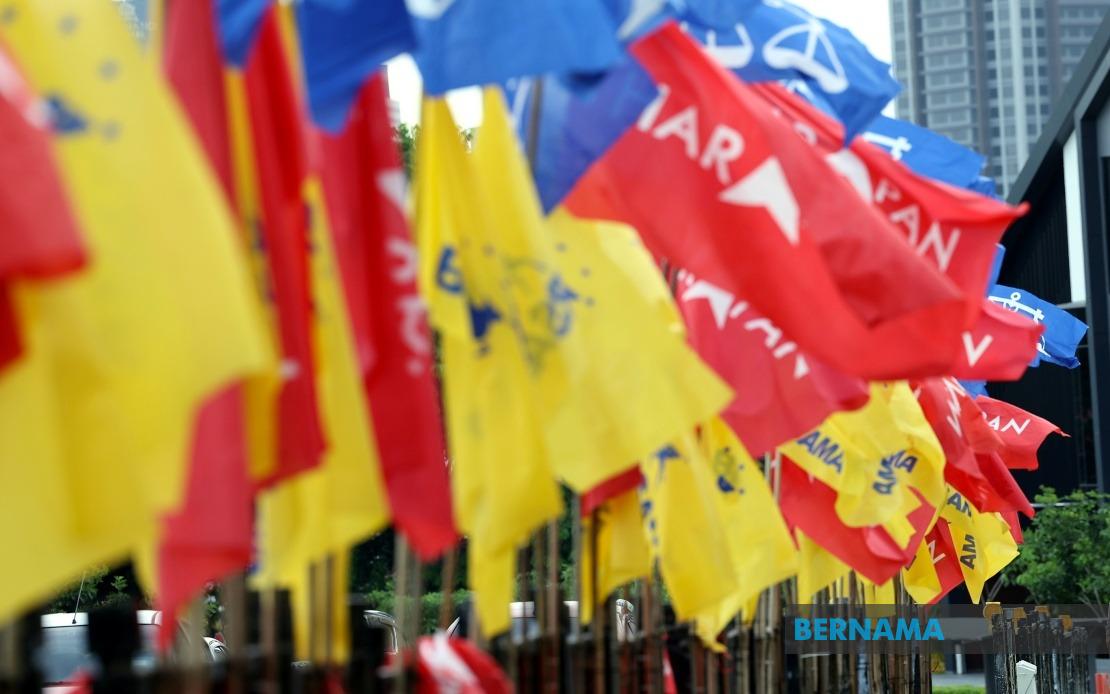
Negeri Sembilan police have granted approval to 19 applications for political campaign activities and ceramah events submitted in advance of the 16th Negeri Sembilan State Election, signalling a structured regulatory environment for the state's electoral period. According to Datuk Alzafny Ahmad, the police chief, each approved activity met all necessary legal requirements before authorisation was granted, reflecting the careful screening process overseen by state law enforcement ahead of the election scheduled for August 1.
The security apparatus in Negeri Sembilan has adopted a dual-track approach combining permitting approvals with ongoing operational oversight. While authorities have cleared the campaign events for proceeding, Datuk Alzafny emphasised that police will maintain consistent surveillance throughout the campaign season to verify that all activities remain aligned with legal frameworks and pose no threat to public safety or civil order. This surveillance mechanism represents standard electoral protocol aimed at balancing democratic participation rights with community security imperatives.
Statistics from the police force reveal a remarkably calm electoral environment thus far. Only a single police report has been filed since the election process commenced, with no formal investigation files opened regarding alleged election offences. This low incident count suggests either strong compliance among political actors or effective deterrent policing, though both interpretations point toward a controlled political atmosphere in the state. The absence of investigation papers related to electoral violations indicates that neither serious campaign misconduct nor substantive breaches of electoral law have emerged as pressing concerns during the pre-polling period.
Datuk Alzafny's statement underscores police commitment to strengthening their readiness posture as polling day approaches. Enhanced monitoring protocols and intensified enforcement capacity represent proactive measures designed to identify and address any violations swiftly. The police chief framed the enforcement strategy around three core principles: firmness, fairness, and integrity, with explicit rejection of compromise in addressing legal breaches. This messaging serves to communicate both the seriousness of electoral integrity standards and the impartiality with which those standards will be applied across all political contestants.
For Malaysian electoral observers, Negeri Sembilan's controlled environment contrasts with occasional unrest witnessed in other state elections. The relatively smooth permitting process and minimal incident reports suggest that state authorities have successfully established clear communication channels with political parties and campaign organisers, potentially reducing friction points that could trigger violations. The approval of 19 separate campaign events demonstrates that restrictions on political expression remain minimal, allowing diverse actors to engage with voters through traditional ceramah formats and modern campaign infrastructure.
The 36-seat Negeri Sembilan State Legislative Assembly dissolved on June 5, establishing the timeline for this electoral cycle. The Election Commission had previously scheduled early voting for July 28, with general polling set for August 1. This compressed campaign period—roughly six weeks between dissolution and polling day—necessitates efficient administrative processing of campaign permits and coordination between electoral authorities, police, and political contestants. The successful approval of 19 applications within this timeframe demonstrates institutional capacity to manage electoral logistics without creating unnecessary bureaucratic obstacles.
From a regional governance perspective, Negeri Sembilan's election management reflects institutional maturity within Malaysia's electoral ecosystem. The state occupies strategic importance in Malaysian politics, with its relatively balanced demographic composition often producing closely contested races. The security and public order framework deployed this cycle indicates that state authorities recognise the political salience of managing contested elections professionally, maintaining public confidence in electoral administration through transparent permitting processes and consistent enforcement protocols.
Public cooperation represents the third pillar of the security strategy outlined by police. Datuk Alzafny explicitly appealed to residents to observe legal requirements, respect democratic processes, and work collaboratively with police personnel during the election period. This appeal reflects recognition that electoral security ultimately depends on broad civic participation in maintaining order, not solely on police capacity. By framing security as a shared responsibility between authorities and the electorate, police communications attempt to cultivate a social environment supportive of peaceful, orderly electoral conduct.
The emphasis on harmony and orderliness in police communications reflects broader Malaysian political values prioritising stability and unity. These themes feature prominently in official statements across Malaysian electoral cycles, signalling societal preferences for non-confrontational political competition. For Negeri Sembilan specifically, the police message aligns electoral conduct with communal coexistence, suggesting that voters should view the election as a mechanism for democratic choice rather than an opportunity for political confrontation or social division. This framing shapes public expectations about appropriate campaign behaviour and helps establish normative standards for political conduct during the election period.
Looking forward, police have committed to sustained enhancement of preparedness and enforcement measures through August 1. This ongoing commitment suggests that authorities view the current calm environment not as grounds for reduced vigilance, but as a foundation requiring continued investment to prevent emergent violations. The police stance communicates to all political contestants that electoral rules will be enforced consistently and impartially throughout the campaign and voting periods, potentially deterring would-be offenders and encouraging voluntary compliance among competing political actors.

