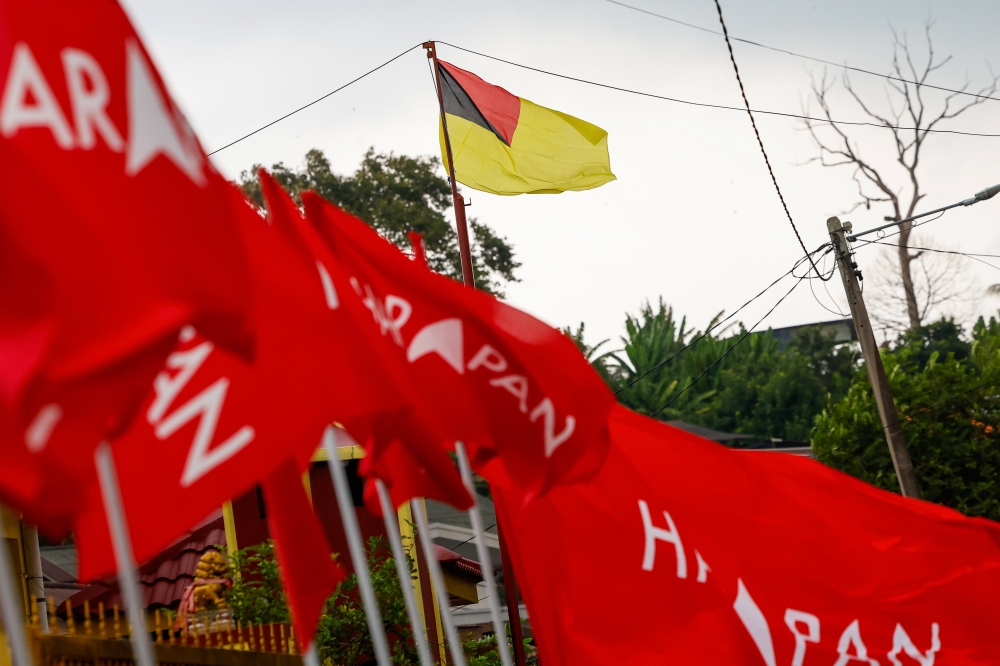
Authorities in Negeri Sembilan have responded to election-related disturbances by launching parallel investigations into separate cases of property destruction, according to a statement from the state police headquarters in Seremban on July 20. The move reflects growing concern about the conduct of campaigns during electoral periods and signals the police's commitment to maintaining order and protecting public property during politically sensitive times.
The dual investigation papers represent an escalation in law enforcement responses to what police have classified as election mischief — a category that encompasses various forms of disruptive behaviour tied to campaigning activities. By opening two distinct cases rather than consolidating them, authorities suggest that the incidents may differ in nature, severity, or the circumstances surrounding them, warranting separate legal and procedural treatment.
Election-related property damage has emerged as a recurring concern during Malaysian campaigns, reflecting the intensity and sometimes contentious nature of electoral competition. Such incidents range from the defacement or destruction of campaign materials and signage to more serious damage affecting residential or commercial structures. The Negeri Sembilan cases appear to fall within this spectrum, though specific details regarding the types of property affected and the extent of destruction remain to be disclosed.
For Malaysian voters and observers, these investigations underscore the importance of maintaining civility during electoral contests. While robust political debate and vigorous campaigning are hallmarks of democratic participation, the deliberate destruction of property crosses a line from legitimate political expression into criminal conduct. The police action aims to establish that electoral enthusiasm, however genuine, cannot justify unlawful acts that burden property owners and destabilise communities.
Negeri Sembilan, like other Malaysian states, has experienced heated political campaigns in recent years. The state's diverse political landscape, with shifting coalitions and competitive races, often generates intense grassroots mobilisation. In such environments, the risk of isolated incidents escalating into larger disturbances increases, making preventive law enforcement measures essential. The opening of these investigation papers sends a deterrent signal to potential offenders that authorities will not tolerate destructive conduct masquerading as political activism.
The timing and nature of the investigations also reflect broader questions about election conduct standards in Malaysia. As the country continues to refine its electoral processes and improve oversight mechanisms, law enforcement plays a crucial role in establishing clear boundaries between acceptable and unacceptable behaviour. By treating property damage as a serious matter warranting formal investigation, police reinforce the principle that democracy functions best when participants respect both the rules and the rights of others.
From a practical standpoint, property owners affected by these incidents face real economic and personal costs. Repairs require expenditure, time, and often emotional distress, particularly when the damage stems from deliberate acts rather than accident. By investigating and prosecuting offenders, authorities attempt to restore accountability and provide a measure of justice to victims, however limited criminal remedies may be.
The investigation papers also serve an important information-gathering function. Through questioning witnesses, examining physical evidence, and reviewing available footage, police can document patterns of behaviour, identify organisers or ringleaders, and build cases that may lead to prosecutions. Such systematic investigation distinguishes legitimate law enforcement from mere reactive policing, establishing an evidentiary foundation necessary for securing convictions in court.
For the broader Malaysian public and regional observers, these cases highlight the ongoing challenge of balancing political freedoms with public order. Southeast Asia's electoral democracies grapple regularly with similar tensions. Malaysia's approach — combining tolerant space for political expression with firm enforcement against destructive conduct — represents one model, though debates continue about whether enforcement is proportionate and fairly applied across different political factions.
The investigations also prompt reflection on campaign culture and the role of political leaders in setting standards for supporter behaviour. When incidents occur, the statements and actions of candidates and party officials in response matter significantly for either escalating or de-escalating tensions. Leaders who explicitly disavow destructive conduct and encourage lawful participation help foster election environments that channel political passion into constructive channels.
As the investigations proceed, outcomes will likely be closely watched by electoral observers, civil society organisations, and political analysts within Malaysia and across the region. Whether the cases result in charges, convictions, and meaningful penalties will influence perceptions of the justice system's willingness to hold all political actors accountable. Disparities in enforcement or perception of bias could undermine public confidence in both the electoral process and police impartiality.
Moving forward, the Negeri Sembilan case underscores the need for sustained attention to election conduct standards beyond the investigation phase. Public education campaigns, better coordination between electoral commissions and law enforcement, and voluntary commitments from political parties to enforce internal discipline all contribute to environments where elections can proceed without becoming flashpoints for destructive conduct. The police investigations represent one necessary component of a comprehensive approach to protecting democratic integrity while safeguarding public property and social harmony.

