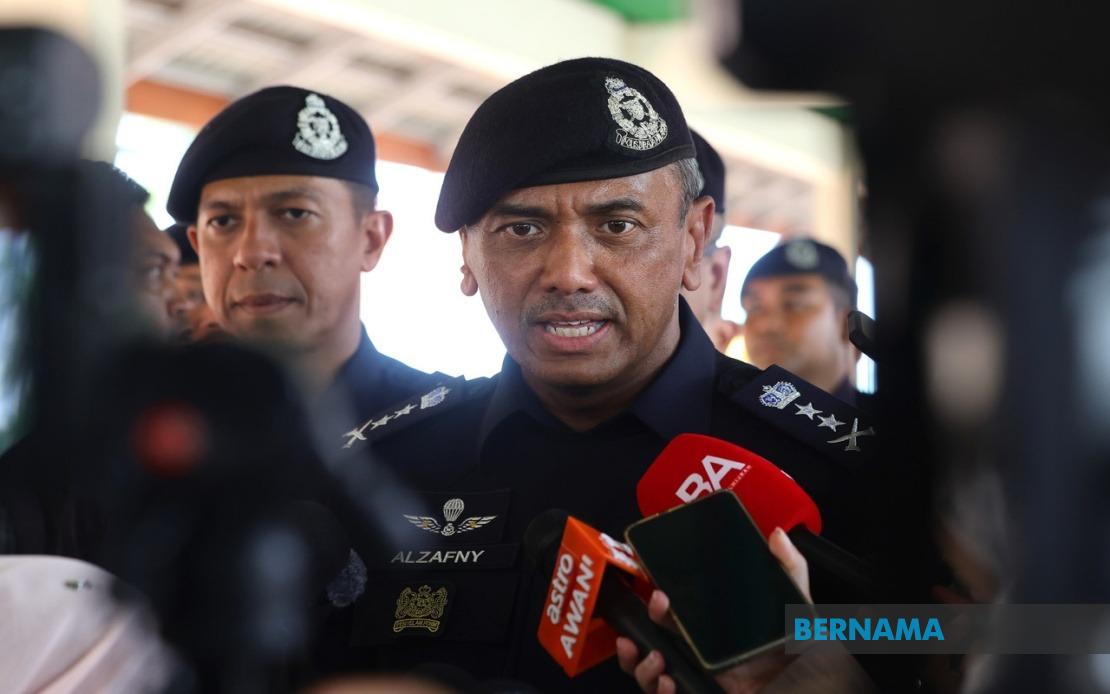
The nomination process for Negeri Sembilan's 16th state election proceeded without disruption on Thursday, according to police authorities who praised the discipline shown by supporters and party representatives throughout the day. State Police Chief Datuk Alzafny Ahmad reported that the eight nomination centres experienced orderly operations from morning through noon, with no security breaches or public disturbances recorded during the crucial first stage of the election campaign.
According to Alzafny, the turnout of supporters varied significantly across voting districts, indicating differential enthusiasm levels among participating political movements. Jempol recorded the highest attendance with approximately 2,500 supporters from the various contesting parties, while Kuala Pilah attracted the smallest gathering of around 1,000 people. The remaining six nomination centres each hosted between 1,000 and 2,500 supporters, demonstrating reasonably robust participation from voters eager to witness their preferred candidates formally enter the electoral race. This range in attendance reflects the varied demographics and political alignments across Negeri Sembilan's diverse constituencies.
The smooth execution of nomination day required substantial security and logistical coordination. Police deployed 2,373 officers and personnel across all eight nomination centres to establish security perimeters, manage vehicle traffic, and ensure that the process adhered to electoral protocols. This substantial mobilisation underscores the importance authorities place on maintaining constitutional order during state elections, particularly given Negeri Sembilan's pivotal position in Malaysian politics and its role in shaping regional governance. The deployment ensured that despite large gatherings of party supporters, the nomination process remained structured and controlled.
Alzafny took the opportunity to issue guidance to candidates preparing for the campaign period ahead. He particularly emphasised that campaign activities must scrupulously avoid the three sensitive domains commonly abbreviated as the 3Rs: religion, royalty, and race. These topics have historically generated tensions during Malaysian elections and carry constitutional and social significance. The police chief stressed that candidates should refrain from provocative statements, incitement to discord, or slanderous remarks that could polarise communities or undermine social harmony. This guidance reflects longstanding Malaysian electoral conventions designed to protect constitutional order and communal relations.
The police chief articulated a constructive vision for the campaign phase, encouraging all contesting parties to showcase their policy strengths and party credentials rather than resort to divisive rhetoric. By highlighting substantive policy positions and administrative achievements, candidates could elevate public discourse and enable voters to make informed choices based on governance records and future visions. Alzafny appealed to party discipline and the civic responsibility of all candidates to maintain electoral integrity through measured and principled campaign conduct.
Beyond the substantive content of campaign messaging, authorities also flagged compliance with everyday regulatory requirements during the campaign period. The police chief reminded candidates of their obligation to observe traffic safety regulations, including mandatory helmet use when riding motorcycles through villages and residential areas. While seemingly mundane, such requirements reflect a comprehensive approach to election management that encompasses both political conduct and public safety during the heightened activity of campaign season. Compliance with these technical regulations contributes to overall election security and demonstrates respect for law and order.
To oversee compliance throughout the campaign phase, police and the Election Commission have established joint monitoring teams specifically tasked with ensuring adherence to all electoral regulations and campaign directives. These teams will operate independently of individual parties and candidates, providing oversight and documentation of any violations. The establishment of such mechanisms demonstrates commitment to transparent and accountable elections, while also signalling to candidates that breaches of electoral conduct standards will be detected and potentially addressed.
The Election Commission has structured the electoral calendar to provide adequate time for campaigning while maintaining efficiency. Voting will take place on August 1, affording candidates and parties approximately two weeks from nomination day to conduct their campaign activities. Early voting is scheduled for July 28, accommodating voters who may be unable to vote on the main polling day due to work commitments, travel, or other circumstances. This staggered approach balances accessibility with logistical feasibility.
For Malaysian observers and regional analysts, the successful nomination process signals orderly institutional functioning within Negeri Sembilan's electoral machinery. The discipline demonstrated by supporters, the coordinated security response, and the clear articulation of campaign conduct expectations suggest that authorities have prepared comprehensively for this election cycle. However, the emphasis placed on preventing sensitive-topic campaigns and inflammatory rhetoric also reflects awareness that Malaysia's electoral contests occur within a framework of constitutional protections for specific institutions and identities. The coming campaign period will test whether candidates and parties can balance competitive political messaging with these important constraints on electoral discourse.

