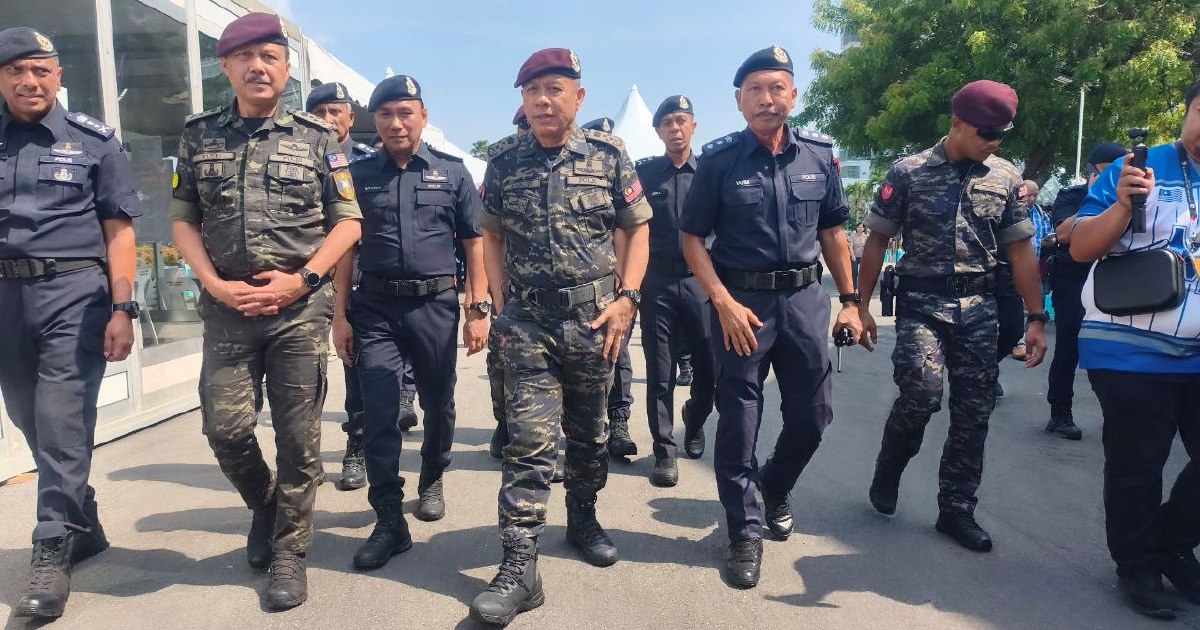
Police fielded a substantial volume of reports during the Negri Sembilan state election campaign, with authorities opening formal investigations into a quarter of the matters raised as the polling period concluded at midnight. Inspector-General of Police Tan Sri Mohd Khalid Ismail disclosed that law enforcement received 92 separate reports and registered 24 investigation papers stemming from incidents and complaints encountered throughout the campaign.
The scale of police engagement reflects the intensified scrutiny that typically accompanies state electoral contests in Malaysia. During campaign periods, electoral commission guidelines and police protocols are tightened to monitor compliance with campaign finance rules, prevent corruption, and ensure public order. The relatively high ratio of probes to total complaints—roughly one investigation opened for every four reports received—suggests that officers exercised careful filtering to determine which matters warranted formal investigation rather than treating every report as a criminal matter requiring documentation.
Negri Sembilan, as one of Malaysia's significant peninsular states with substantial population centres including the capital Seremban, historically experiences competitive electoral contests. The state assembly comprises 36 seats distributed across various constituencies, making state-level elections focal points for political activity and, consequently, areas where enforcement agencies must maintain heightened vigilance. The police presence during campaign periods serves multiple functions: deterring potential electoral offences, responding to complaints from political parties and the public, and maintaining order at campaign rallies and public events.
The nature of investigations opened during campaign periods typically encompasses a range of matters. These may include complaints about misleading campaign materials, alleged breaches of spending limits, unauthorized use of public resources for campaigning, disturbances at political events, and defamatory statements made during the electoral process. Some investigations might also relate to unrelated criminal matters that happened to occur during the campaign window rather than issues directly connected to the election itself.
From a Malaysian perspective, the handling of electoral offences and campaign-related complaints remains an area of public interest. Civil society observers and international democracy monitors often review how efficiently and fairly police and the Election Commission manage the legal framework surrounding state and federal elections. The disclosure of investigation numbers provides some transparency about enforcement activity, though detailed breakdowns regarding the nature of probes would offer greater insight into which types of electoral violations authorities prioritised during this particular campaign.
The Negri Sembilan election, like other state contests, represents a test of Malaysia's electoral machinery and security apparatus. The involvement of 24 formal investigations across a state with multiple constituencies and numerous candidates indicates that police maintained active monitoring throughout the campaign period. The timing of this disclosure, made as the campaign officially concluded, aligns with standard police procedures to evaluate electoral security and provide accountability for law enforcement deployment.
For political parties and candidates contesting in Negri Sembilan, the disclosure of investigation numbers may serve as an indicator of enforcement intensity. Parties often analyse police data during and after elections to assess whether enforcement appeared balanced across different political movements or whether certain groups faced disproportionate scrutiny. Such assessments feed into broader discussions about electoral fairness and the impartiality of state institutions during politically sensitive periods.
The regional significance of Negri Sembilan's election extends beyond the state's borders. As a coalition of relatively moderate-sized states, Malaysia's state-level elections collectively influence the trajectory of federal politics and provide valuable barometers of electoral dynamics. Neighbouring states in the Klang Valley region and central peninsular corridor often experience spillover effects from major state contests, with campaign activity and political messaging affecting voter sentiment beyond formal boundaries.
Police management of campaign-period complaints also reflects resource allocation challenges facing law enforcement. During elections, police must balance dedicated personnel assigned to electoral security against continued demands for routine crime prevention and investigation across their jurisdictions. The opening of 24 investigation papers represents a commitment of investigative capacity that must be sustained through the weeks following the election as probes are completed.
Transparency regarding police actions during elections remains important for public confidence in electoral integrity. When authorities publicly disclose statistics about reports and investigations, they signal accountability and provide baseline data that stakeholders can compare against future elections or other jurisdictions. This disclosure by the Inspector-General contributes to the public record of Negri Sembilan's electoral administration, though civil society groups may seek additional details about investigation outcomes and whether they resulted in prosecutions or warnings.
The conclusion of the campaign period at midnight represented a formal transition point in the electoral calendar, after which campaign activities must cease and investigation of alleged breaches can proceed unencumbered by the restrictions that apply during active campaigning. The timing of the IGP's statement, released as this transition occurred, underscores the structured nature of Malaysia's electoral operations and the coordination between law enforcement and electoral administration in managing the complex requirements of democratic contests.

