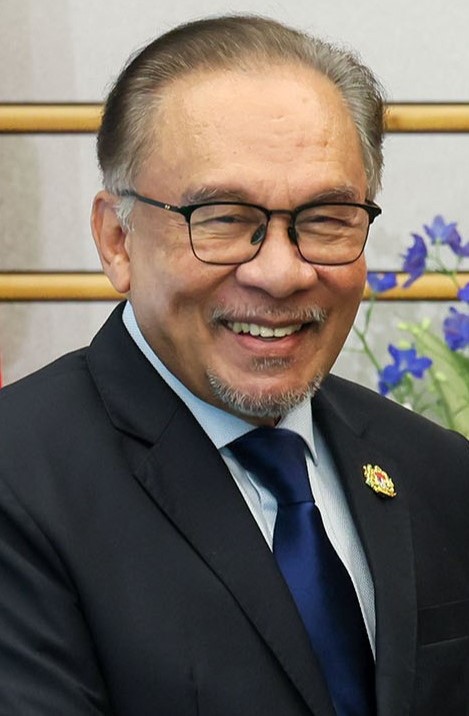
Nepal's former finance minister Bishnu Prasad Paudel was taken into custody late Monday on allegations of money laundering, according to police statements released in Kathmandu. The arrest represents a significant moment in the country's ongoing efforts to address financial misconduct at the highest levels of government and signals intensified scrutiny of the previous regime's officials.
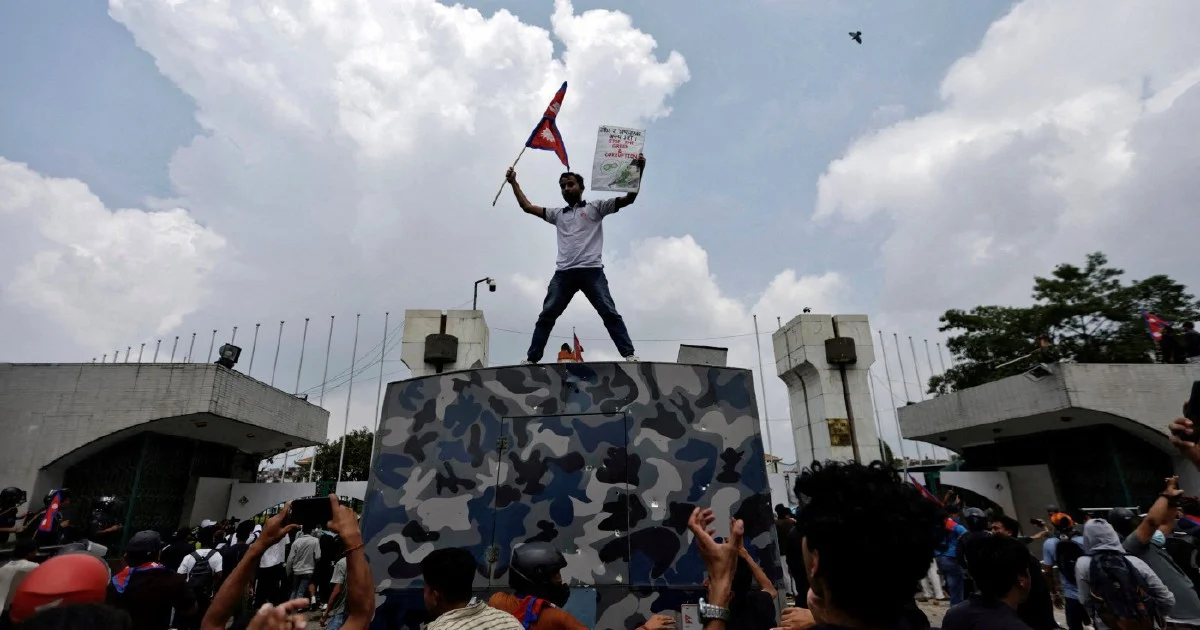
The arrest comes as Nepal's current administration, which draws considerable support from younger voters and civil society groups, pursues what officials describe as a comprehensive anti-corruption initiative. The incoming leadership has made combating graft and recovering misappropriated public funds central pillars of its governing agenda, positioning accountability measures as essential to rebuilding public trust in state institutions.
Paudel's detention underscores a broader pattern emerging across South Asian democracies where transitions in political power frequently trigger investigations into the financial conduct of outgoing administrations. These investigations often reveal networks of questionable transactions and alleged embezzlement schemes that accumulated during previous governments' tenure. Nepal's current push reflects regional trends in which newly elected coalitions prioritise anti-corruption crusades to fulfil campaign promises and demonstrate responsiveness to voter demands for transparent governance.
The money laundering allegations against Paudel are particularly significant given his former position managing the country's finances. Finance ministers occupy roles of considerable authority over budgetary allocations, banking relationships, and foreign investment flows, making them central figures in any systematic plundering of state resources. The charges suggest investigators believe Paudel may have leveraged his ministerial access to facilitate the movement of funds through informal channels or obscured financial mechanisms.
Nepal's crackdown on corruption carries particular importance for the country's international standing and economic prospects. Global investors and multilateral institutions increasingly condition development assistance and commercial engagement on demonstrable improvements in governance standards. High-profile prosecutions of former officials signal to international partners that Nepal takes institutional reform seriously, potentially improving the country's ability to attract foreign direct investment and secure concessional lending from institutions like the World Bank and Asian Development Bank.
For Malaysian observers, Nepal's approach offers instructive parallels to regional governance challenges. Southeast Asia has witnessed numerous instances where governments changed leadership pursued corruption investigations against predecessors, from Malaysia's own complex cases involving officials of the prior Najib administration to comparable situations in Thailand and the Philippines. The pattern reflects both legitimate accountability demands and occasional political scoring through selective prosecution, making the credibility and independence of investigative institutions crucial to public legitimacy.
The Gen Z-oriented political movements gaining traction across South Asia have made anti-corruption their defining cause, reflecting younger voters' frustration with inherited systems of patronage and nepotism. Paudel's arrest demonstrates that this political cohort, once in power, moves swiftly to translate campaign rhetoric into concrete action. Whether these efforts result in lasting institutional reform or devolve into cycles of retaliatory prosecution remains an open question with implications for democratic stability throughout the region.
Nepal's investigative agencies will now face the challenge of building watertight cases that withstand legal scrutiny and public skepticism. Money laundering prosecutions require establishing clear chains of financial transactions linking individuals to illegal proceeds, a technically demanding process that often extends across jurisdictions and involves complex documentation. The pressure to deliver visible results quickly must be balanced against the need for thorough, methodical investigation that produces convictions rather than embarrassing reversals on appeal.
The arrest also raises questions about the scope of the government's anti-corruption agenda and whether it will extend beyond the previous administration to address alleged misconduct by current officials. Sustainable anti-corruption campaigns typically function through independent institutions insulated from political pressure, yet many South Asian governments struggle to maintain such independence. The credibility of Nepal's initiative may ultimately depend on whether prosecutions appear systematically applied across political lines or concentrated narrowly on political opponents.
International observers will scrutinise the legal proceedings against Paudel to assess whether Nepal's justice system operates according to impartial standards or reflects political considerations. The outcome of this high-profile case will shape perceptions of Nepal's commitment to rule of law and institutional integrity. For a nation seeking to strengthen economic governance and attract responsible international engagement, demonstrating that even former finance ministers face equal accountability under law represents both a challenging imperative and an opportunity to differentiate itself among developing democracies struggling with endemic corruption.