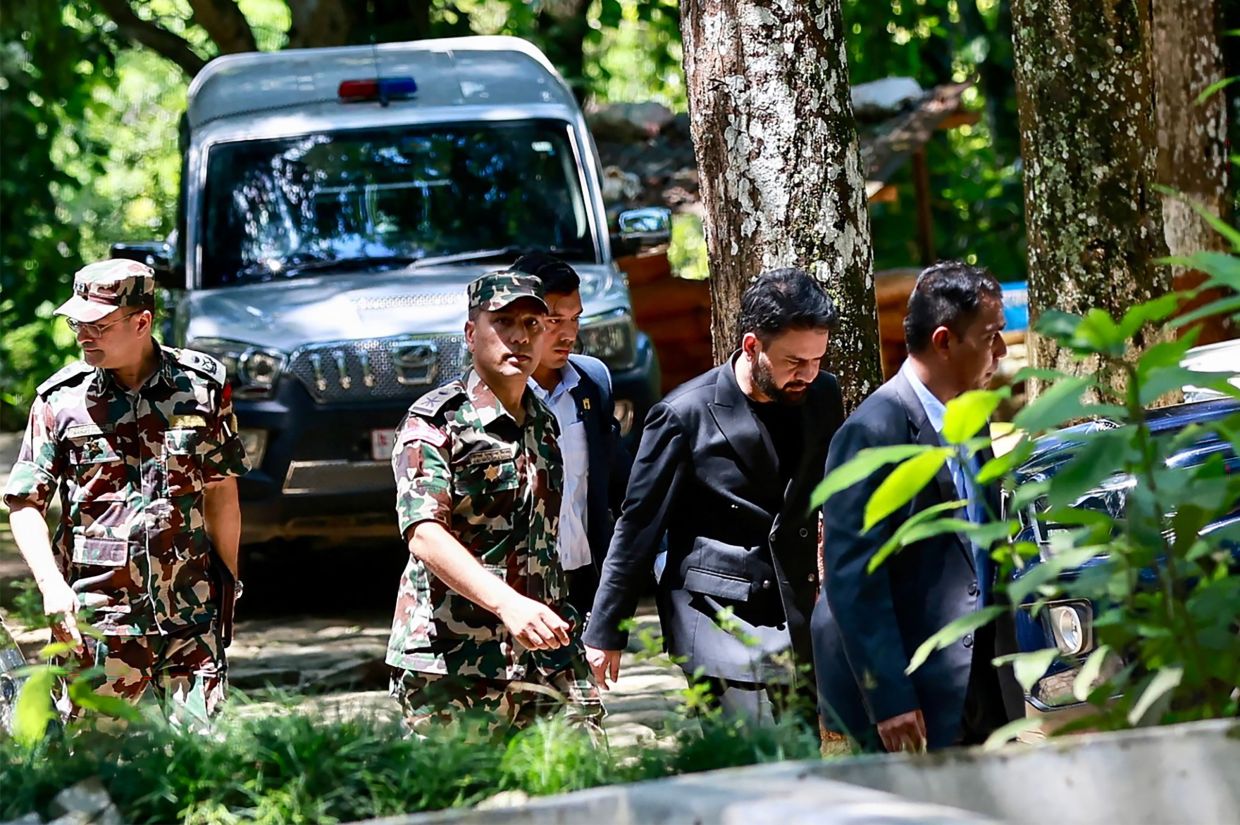
Nepal is grappling with what Prime Minister Balendra Shah has characterised as an "unimaginable and heartbreaking" natural calamity, following devastating floods triggered by a massive surge of ice, rock and sediment that swept through villages and towns on Wednesday, August 26. The disaster has claimed at least 797 lives across Nepal and the adjacent Tibetan region of China, and authorities remain unable to quantify the full human and material toll, with rescue operations hampered by treacherous terrain and unpredictable weather patterns that continue to threaten affected communities.
The catastrophe centred on the Bhote Koshi River in Rasuwa district, where the sudden release of water and debris from glacial sources created a destructive torrent of unprecedented violence. In a social media statement released late Sunday, Shah acknowledged the scale of the emergency confronting his administration, noting that the hazardous conditions surrounding Rasuwa have rendered comprehensive damage assessments nearly impossible. The combination of steep mountain valleys, dense cloud cover, and the risk of secondary flooding has created a crisis management environment of exceptional difficulty, where relief workers must balance the urgency of rescue missions against the very real dangers posed by unstable terrain and residual flooding.
Among the most pressing concerns for authorities is the fate of more than 3,000 individuals classified as missing, a figure that includes significant numbers of foreign tourists and religious pilgrims who had travelled to Tibet's revered Mount Kailash at the time of the disaster. The international dimensions of the tragedy complicate response efforts, requiring coordination between Nepali authorities and Chinese officials, and raising concerns among governments whose citizens remain unaccounted for. The pilgrimage season to Mount Kailash typically attracts visitors from across the Himalayan region and beyond, meaning that missing persons span multiple nationalities and language groups, further straining communication and identification processes.
Balendra Shah, who rose to political prominence as a rapper before transitioning into politics, now faces a daunting reconstruction challenge that will test his leadership during what should have been a period of consolidation following his party's electoral triumph. At just 36 years old, Shah became Prime Minister on a mandate for systemic reform, capitalising on public momentum generated by mass anti-corruption demonstrations that culminated in September of the previous year and forced the resignation of his predecessor. His administration swept March elections with a commanding majority built on promises of institutional change and improved governance, representing a break from the political turbulence that had characterised Nepal's recent decades.
The timing of this disaster strikes at a particularly sensitive moment in Nepal's political calendar. The anniversary of last September's anti-corruption protests looms within days, a date that carries symbolic weight for civil society groups and reform advocates who invested hope in Shah's reformist platform. Instead of celebrating progress toward the changes his government pledged, Shah must now manage a humanitarian emergency of massive proportions while maintaining political stability and public confidence. The convergence of these crises tests whether popular mandates for change can survive the practical demands of disaster response and economic management.
Nepal's economic circumstances render the reconstruction effort especially daunting. The nation's modest gross domestic product and limited fiscal capacity mean that the government lacks the financial reserves necessary to fund recovery operations of the scale required by this catastrophe. Previous natural disasters, including the devastating 2015 earthquake, demonstrated Nepal's vulnerability to major shocks and the constraints imposed by a development trajectory still dependent on external assistance. This latest calamity arrives when economic growth has remained sluggish, currency reserves are under pressure, and public sector resources are already stretched across competing development priorities.
The government's immediate response has emphasised unity and collective resilience, with Shah invoking themes of national determination to overcome adversity through cooperative effort. His public statements reflect an attempt to project confidence and purposeful action at a moment when information remains fragmentary and the full extent of damage is not yet clear. However, the historical experience of disaster response in Nepal suggests that coordination between federal authorities, provincial governments, and local administrations often falters during emergencies, particularly when multiple jurisdictions are affected and transportation networks are compromised by flooding and landslides.
The glacial flood phenomenon itself warrants scrutiny in the context of climate change and Himalayan environmental dynamics. These catastrophic outbursts, known as glacial lake outburst floods or GLOFs, occur when rapid warming causes glacial lakes to overflow or fail, releasing enormous volumes of water and debris downslope with little warning. The Himalayan region has thousands of potentially unstable glacial lakes, and scientific assessments suggest that warming trends are increasing the frequency and severity of such events across the region. Nepal, which is heavily dependent on glacial meltwater for hydroelectric power and agricultural irrigation, faces mounting vulnerability to this class of disaster.
For regional stability, the Nepal crisis carries implications beyond the immediate humanitarian domain. The shared hydrological systems of the Himalayan watershed mean that disasters in one jurisdiction produce transnational effects, requiring coordinated responses between Nepal, India, China, and other downstream nations. The loss of life in Tibet alongside Nepali casualties underscores the indivisibility of mountain hazards. The response capabilities and resources that nations can mobilise will shape not only recovery timelines but also the precedent established for future cross-border disaster management in a region prone to multiple simultaneous hazards.
As rescue operations continue and missing persons are gradually located or confirmed deceased, the focus will inevitably shift toward reconstruction and the prevention of future catastrophes. Shah's government faces mounting pressure to demonstrate competence in crisis management while sustaining the political legitimacy earned through electoral victory. The interplay between disaster response imperatives and the broader reform agenda that propelled his administration to power will define the trajectory of his premiership during these critical months.

