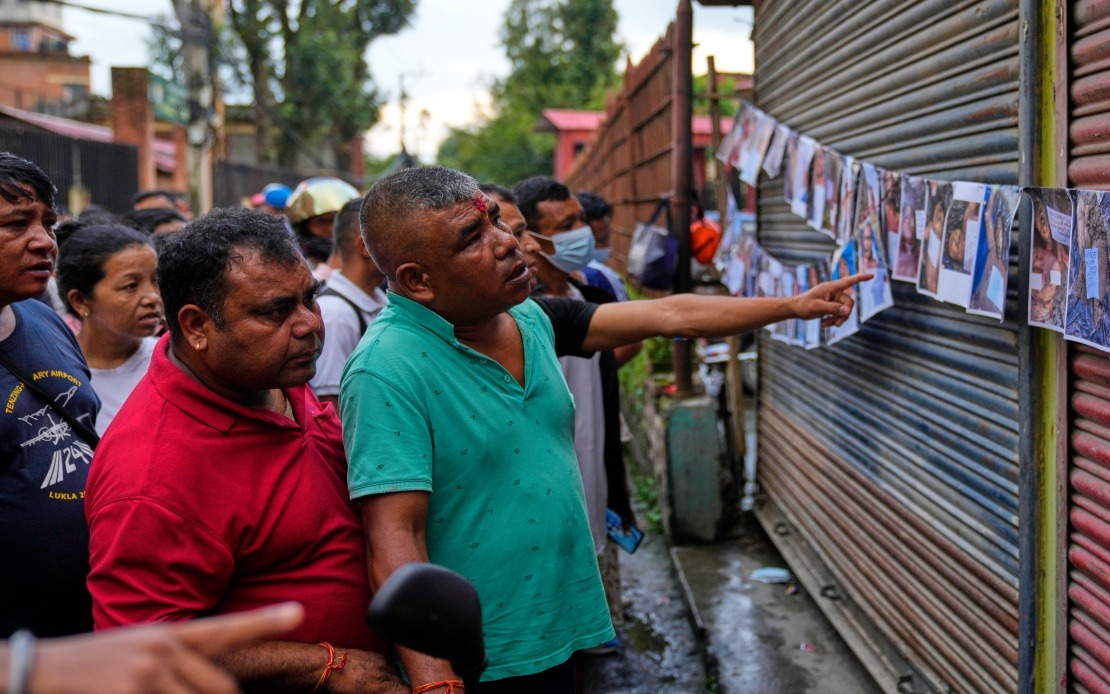
The devastating floods that swept through Nepal's northern Rasuwa district on Wednesday morning have claimed over 500 lives, with rescue teams continuing intensive operations three days after a Himalayan glacial collapse triggered the disaster. Malaysian authorities are working to verify the status of 55 citizens still unaccounted for following the calamity, which sent torrential waters and debris cascading through the Bhote Koshi and Trishuli river systems.
The scale of the missing persons challenge reflects the sudden and overwhelming force of the flooding event. On Thursday evening, Nepal's Department of Tourism released a comprehensive list documenting 537 foreign nationals from more than 30 countries reported out of contact in the affected region. The registry included 51 Malaysians whose names, ages, nationalities, and associated travel agencies were catalogued to aid identification and tracing efforts. As of Friday afternoon, Malaysian authorities had managed to locate two of the 57 citizens initially reported as unreachable, though the remaining 55 continue to elude confirmation.
The verification process itself underscores the logistical complexity of responding to such a massive humanitarian crisis. Foreign Ministry Deputy Secretary-General Datuk Syed Mohamad Hasrin Tengku Hussin explained that casualty and missing persons figures remain fluid and subject to ongoing cross-checking with Nepalese authorities and relevant agencies. This deliberate approach to information sharing, while perhaps frustrating for families awaiting news, reflects the realities of disaster management in a region where communication infrastructure has been severely compromised and coordination between multiple agencies remains challenging.
Nepalese rescue authorities reported that 121 foreign nationals had been extracted from the flood zone, though notably no Malaysians had been identified among those rescued as of the latest update. This absence of Malaysian nationals in rescue tallies has intensified concerns among Malaysian officials and the affected families, prompting accelerated diplomatic and consular coordination. The concentration of Malaysian tourists in the Rasuwa district, likely due to popular trekking routes and tour operator bases in the region, has made the Malaysian contingent a proportionally significant component of the international missing persons roster.
The physical destruction wrought by the glacial outburst flood has compounded rescue difficulties. The surge destroyed critical infrastructure including roads, bridges, and buildings along the river corridors, while simultaneously sweeping away vehicles, structures, and human remains downstream into districts far from the initial impact zone. This dispersion of casualties has created unprecedented challenges for identification, as Nepalese authorities struggle with morgue capacity limitations in several locations where recovered bodies are accumulating faster than processing capabilities can accommodate.
Malaysia has begun positioning itself to provide practical assistance to Nepal's government and relief efforts. Prime Minister Datuk Seri Anwar Ibrahim indicated that Malaysian support could materialise through financial contributions or, potentially, the deployment of Malaysia's Special Search and Rescue Team (SMART)—a specialist unit with expertise in complex disaster scenarios. The National Security Council has entered direct dialogue with Nepalese counterparts to determine which form of assistance would prove most valuable given the current operational landscape and international coordination already underway.
The Foreign Ministry continues its primary mission of systematically contacting Malaysians registered with travel agencies, tour operators, and accommodation providers in the affected areas. This multi-channel approach seeks to establish definitive information about the whereabouts and welfare of each citizen previously listed as unreachable. The agency recognises that some individuals may have been outside the immediate disaster zone, maintained communication through alternative means, or been temporarily incommunicado due to disrupted telecommunications infrastructure rather than missing in the catastrophic sense.
Regional and international dimensions of this tragedy merit consideration. Nepal's tourism sector, already fragile post-pandemic, faces potential long-term consequences from this disaster. Malaysian tour operators and the broader Southeast Asian tourism industry face questions about risk assessment and safety protocols in Nepal's mountainous regions. The incident will likely prompt renewed scrutiny of glacial hazards in the Himalayas and the adequacy of early warning systems, particularly as climate change intensifies such extreme weather phenomena.
The humanitarian response also highlights the interconnectedness of modern travel and tourism. When Malaysians venture into remote Nepalese valleys for trekking and adventure tourism, they enter systems where infrastructure, communication, and emergency response capabilities differ markedly from Southeast Asian norms. The geographic distance between Malaysia and Nepal, combined with the isolated nature of affected communities, creates substantial challenges for consular officials attempting to verify welfare and coordinate assistance in real time.
As search and rescue operations continue through the critical window where survival chances remain highest, Malaysian officials acknowledge that the verification process will extend considerably longer. Bodies continue to be recovered from downstream locations, and the full casualty toll may not be established for weeks or months. For Malaysian families and friends awaiting word of their loved ones, the ongoing uncertainty represents an agonising period where hope and fear remain suspended. The government's methodical approach to confirmation, though potentially appearing slow to anxious relatives, reflects the seriousness of ensuring accurate information rather than releasing preliminary guesses that might later require painful correction.
The disaster serves as a stark reminder of nature's capacity to overwhelm human infrastructure and planning, particularly in mountainous regions where glacial systems remain unstable. It also underscores why Malaysian nationals abroad require robust consular support systems and why regional cooperation in disaster response remains essential. The mechanisms established over recent decades for coordinating assistance, verifying nationals, and providing emergency support are being tested comprehensively by this event, with lessons learned likely to influence protocols for future transnational disasters affecting Malaysian citizens.

