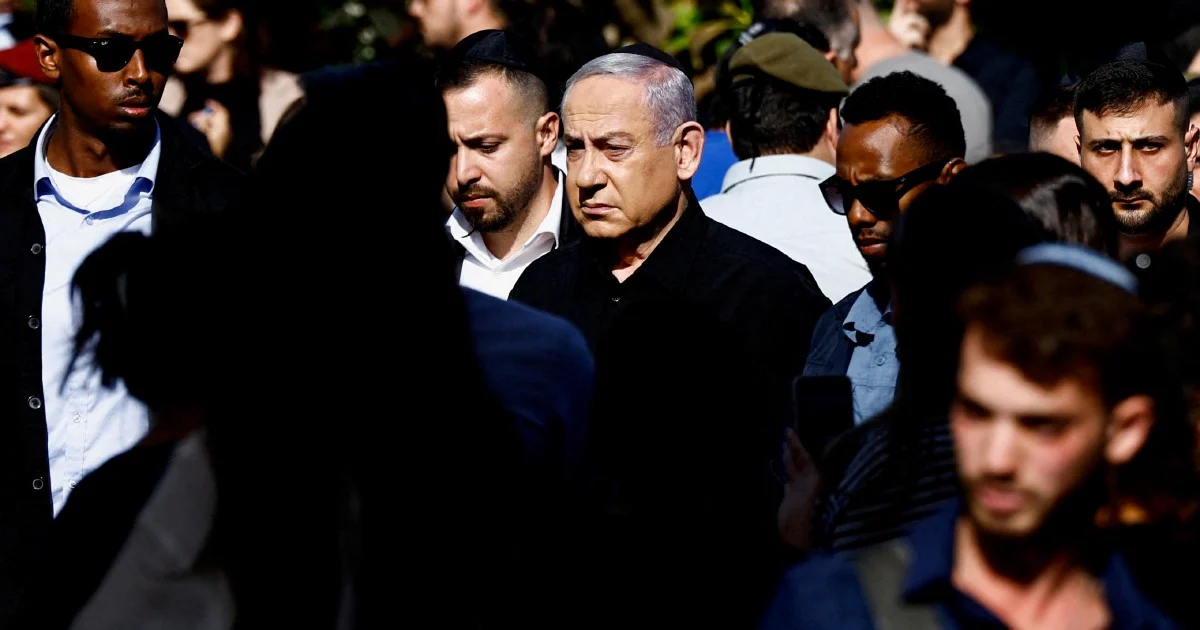
Israeli Prime Minister Benjamin Netanyahu has completed his testimony across multiple corruption trials, according to a statement from the justice ministry on Wednesday. The conclusion of his evidence-giving marks a significant milestone in legal proceedings that have shadowed his political tenure for several years, with the prime minister now entering a new phase where the focus shifts to closing arguments and judicial deliberation.
The timing of this legal closure coincides with heightened regional tensions surrounding a US-Iran diplomatic arrangement that Israeli officials and regional partners have characterised as troubling to their security interests. Netanyahu's position as leader has been strained by concurrent political, legal, and international pressures, creating a complex backdrop for Israeli governance and Middle Eastern diplomacy during this period.
The corruption charges against Netanyahu have been a defining feature of Israeli politics since his indictment, involving allegations of bribery, fraud, and breach of trust across separate cases. Each trial has required extensive testimony from the prime minister himself, a process that has consumed significant court time and kept the cases prominently in the public eye throughout his continued service in office.
For Malaysian and Southeast Asian observers, Netanyahu's legal situation underscores the complexities of accountability within democratic systems where sitting leaders remain subject to judicial scrutiny. Unlike in some jurisdictions where political position might shield an official from prosecution, the Israeli legal system has proceeded with full proceedings regardless of Netanyahu's executive role, demonstrating institutional independence that resembles common frameworks across developed democracies.
The completion of his testimony represents relief for Netanyahu administratively, as he can now reduce his courtroom presence and focus more directly on governmental responsibilities. However, the legal jeopardy itself remains unresolved, with judges still deliberating on whether evidence supports conviction on the most serious charges, which carry potential prison sentences if sustained.
Nestenyahu's predicament has paralleled his handling of regional security challenges, particularly regarding Iran's nuclear programme and its proxies across the Middle East. The US diplomatic engagement with Tehran has long concerned Israel, which views Iran's regional influence as fundamentally threatening. This administration in Washington has pursued a different approach than its predecessor, creating friction between key allies and complicating Israeli strategic calculations during an already unstable period.
The convergence of domestic legal battles and international security concerns has placed Netanyahu in an unprecedented position for an Israeli leader. Sitting prime ministers have faced elections and political defeats before, but few have simultaneously managed extended criminal trials while navigating existential regional security questions. The psychological and administrative toll of this dual challenge influences decision-making across multiple domains of governance.
Regional observers monitoring Israeli policy will watch closely how the completion of testimony affects Netanyahu's political calculations and strategic choices. Some analysts suggest that reduced courtroom obligations might embolden more assertive foreign policy positions, while others contend that legal vulnerability might constrain certain aggressive options to avoid appearing politically motivated.
The justice ministry's confirmation that testimony has concluded does not signal imminent verdicts or judgments. Israeli courts move deliberately through deliberation phases, and observers should anticipate continued legal proceedings extending through coming months. The opacity of judicial deliberation means that Netanyahu's fate remains genuinely uncertain despite this procedural milestone.
For the broader Middle Eastern context affecting Southeast Asian strategic interests, Netanyahu's personal legal status matters insofar as it influences Israeli policy direction and the country's willingness to undertake certain regional actions. Any significant shift in Israeli government—whether through electoral change, legal consequences, or political reorganisation—would ripple through regional security calculations affecting energy markets, shipping lanes, and broader geopolitical alignment that touches Asian economies.
The completion of Netanyahu's testimony also allows renewed focus on substantive governance questions that have been partially eclipsed by the courtroom drama. Budget discussions, military strategy reviews, and diplomatic initiatives can now receive more direct prime ministerial attention, though legal proceedings will continue shadowing his administration.
Meanwhile, the underlying US-Iran diplomatic situation that prompted the original reporting continues generating regional concern. The agreement's implications for Israeli security interests remain contentious, with various Middle Eastern actors reassessing their strategic positions based on shifting American engagement with Tehran. How Netanyahu responds to these diplomatic developments while managing his legal circumstances will define his remaining tenure, regardless of judicial outcomes.