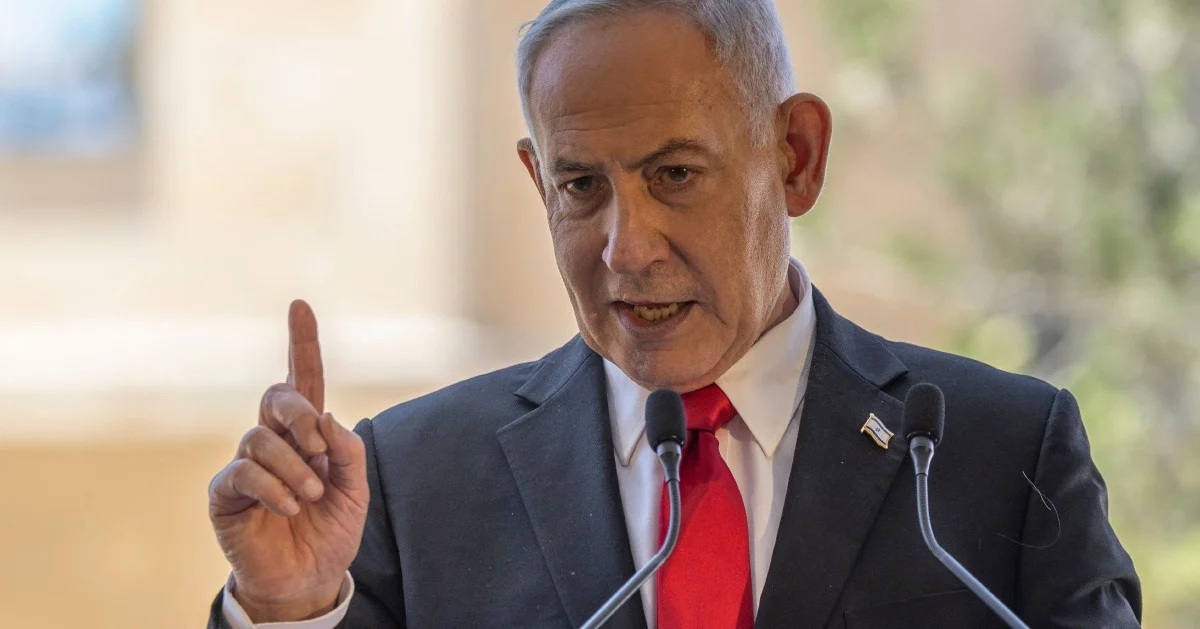
With Israel's parliament preparing to dissolve within days, Prime Minister Benjamin Netanyahu's administration is engaged in a frenetic legislative campaign to advance a clutch of contested bills before the formal dissolution takes effect. The timing—with national elections scheduled approximately four months hence—has transformed the Knesset into a pressure cooker of political activity, as the coalition government seeks to cement policy positions while it retains parliamentary control.
This legislative sprint reflects a familiar pattern in Israeli politics where administrations attempt to entrench policies during the transition to electoral campaigns. The proximity of elections creates both urgency and complications: whilst the government possesses the parliamentary numbers to pass measures now, once the Knesset dissolves, no further legislation can be enacted until a new government forms. This window of opportunity motivates Netanyahu's coalition to advance its agenda aggressively, even when proposals generate substantial public and political controversy.
The opposition has mobilised forcefully against this legislative barrage, characterising the bills as partisan attempts to reshape governance during a period when the government arguably possesses diminished democratic legitimacy. Critics contend that significant constitutional and policy matters should be deferred until after elections provide voters an opportunity to render judgment on the government's record. The intensity of opposition response underscores how divisive these measures are within Israeli society.
The nature of the bills remains consequential for Israel's political trajectory and institutional framework. Legislative packages advanced during final government periods often reflect core ideological commitments that administrations wish to protect from reversal by successor governments. For Netanyahu's coalition, these measures likely address priorities that the government considers fundamental to its political mission, whether involving state-religion relations, security matters, governance structures, or fiscal policy.
The political economy of this moment creates peculiar incentives for both government and opposition. The coalition must navigate the challenge of maintaining internal cohesion whilst advancing potentially divisive legislation—any defections could jeopardise passage of critical measures. Conversely, the opposition faces a strategic decision about where to concentrate its resistance efforts, knowing that some measures may prove difficult to block or reverse once enacted.
For observers across Southeast Asia and the broader region, this episode illuminates how even established democracies experience tension between electoral cycles and governance continuity. The Israeli case demonstrates the complications that arise when administrations attempt to implement significant policy shifts during transitional periods. Questions about whether such legislative actions reflect legitimate government prerogatives or represent problematic efforts to constrain incoming administrations persist across democratic systems.
The parliamentary dissolution timeline adds particular significance to Netanyahu's legislative agenda. Unlike systems where governments continue functioning during election campaigns, the Israeli model creates clear temporal boundaries. The coming days represent the final opportunity for this government to leave legislative imprints before its parliamentary authority formally terminates. This concentration of activity into compressed timeframes distinguishes parliamentary systems from presidential arrangements and creates distinctive political pressures.
Domestic political consequences will likely shape how these bills influence Israeli politics heading toward elections. Voters will presumably consider both the substance of enacted legislation and the process by which the government advanced these measures during its final weeks. The opposition will utilise this legislative campaign as campaign material, arguing that Netanyahu's coalition prioritised partisan advantage over measured governance.
The broader institutional implications deserve attention as well. Patterns of using pre-election periods for controversial legislative packages can gradually erode norms around temporal boundaries and electoral propriety. Repeated instances of this behaviour, across different governments and systems, may normalise practices that observers might otherwise consider troubling from democratic governance perspectives.
For Malaysian and Southeast Asian readers, the Israeli experience offers comparative perspective on how democracies manage transitions between electoral cycles. Malaysia's own constitutional framework and parliamentary traditions have generated distinctive approaches to managing government power during electoral periods. Observing how other democracies navigate these challenges provides useful context for evaluating local governance questions.
The intensity of opposition mobilisation in Israel demonstrates how significantly voters and political minorities regard legislative action taken during transitional moments. This public engagement—whether through parliamentary debate, media commentary, or street-level activism—reflects assumptions that such actions deserve heightened scrutiny precisely because they occur outside normal electoral accountability mechanisms.
As Netanyahu's government presses forward with its legislative agenda, the coming days will clarify which bills achieve passage and which encounter sufficient resistance to be deferred or blocked. The composition of enacted legislation will shape Israeli governance for years beyond this particular electoral cycle, potentially influencing policy frameworks and constitutional relationships long after the current parliament dissolves and elections conclude.

