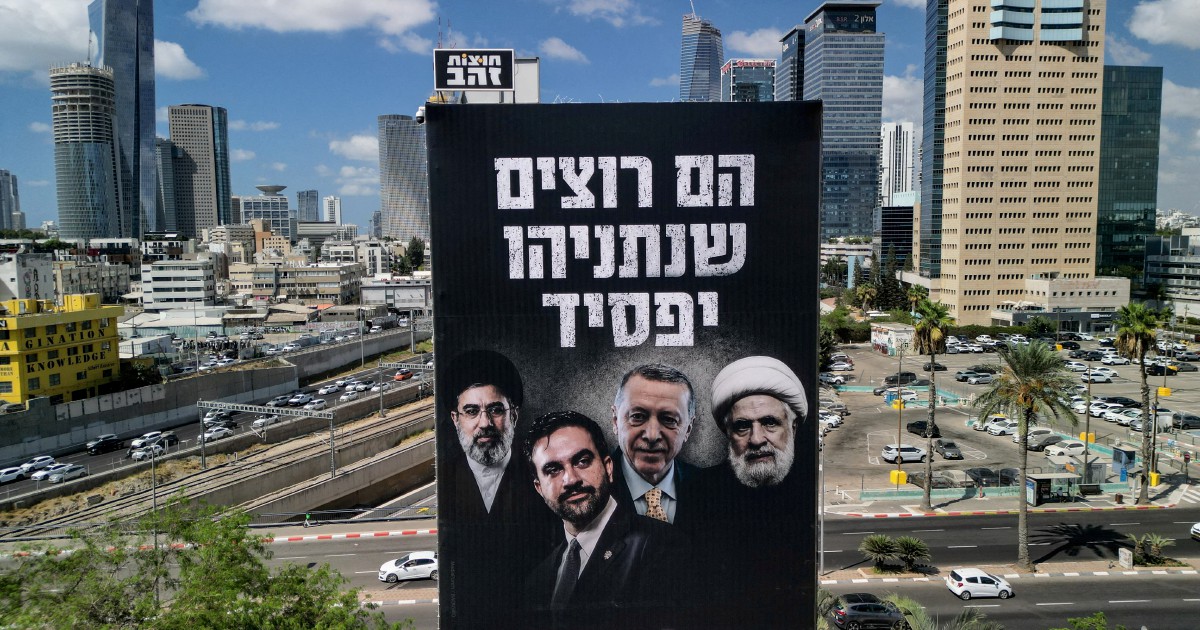
Prime Minister Benjamin Netanyahu's Likud party convened its membership Monday to determine which candidates would represent the right-wing faction in Israel's October 27 general election, a contest that political analysts view as highly competitive and potentially decisive for the government's future direction. The primary process underscored the precarious political position Netanyahu now occupies, as his party navigates divisions within its ranks while confronting a resurgent opposition intent on displacing his nearly two-decade hold on power.
The timing of the candidate selection proved significant, arriving at a moment when public opinion regarding Netanyahu's stewardship remains fractured. Multiple factors have contributed to Likud's weakened standing compared to previous electoral cycles, including ongoing governance challenges, coalition dynamics within the current parliament, and broader public sentiment regarding the prime minister's leadership. The primary vote itself reflected internal party complexities, with various factions within Likud advocating for different strategic directions heading into the general election campaign.
For Malaysian and Southeast Asian observers, Israeli electoral politics carry implications extending beyond the country's borders. The composition of Netanyahu's government following October's vote will shape Israel's regional foreign policy approach, including its stance toward Palestinian governance, relationships with neighbouring states, and broader Middle Eastern security arrangements. A shift in Israel's parliamentary balance could alter the regional geopolitical calculations that affect global energy markets, shipping routes, and international diplomatic frameworks that Southeast Asian nations depend upon for economic stability and security.
Likud's apparent vulnerability reflects structural changes in Israeli politics that have accumulated over recent years. The traditional coalition-building dynamics that sustained Netanyahu's previous governments have grown more unpredictable, forcing the party to reconsider its electoral positioning and messaging. Candidate selection processes within Likud increasingly become proxy battles for determining the party's ideological centre of gravity and its willingness to negotiate with potential coalition partners across the political spectrum.
The October election represents the third general election Israel has conducted within two years, a testament to the fragmentation and instability characterizing the country's current political landscape. This electoral cycling exhausts public patience and creates voter fatigue, potentially benefiting whichever faction demonstrates strongest organisational capacity and clearest policy messaging. Netanyahu's Likud must navigate these challenging dynamics whilst simultaneously maintaining internal party cohesion and presenting a unified campaign vision.
The competitive nature of this particular race distinguishes it from several of Netanyahu's previous electoral contests. Historically, Likud maintained a commanding position within Israeli politics, permitting Netanyahu considerable latitude in selecting coalition partners and dictating political terms. The present environment demands considerably more strategic sophistication from Likud's leadership, requiring calculated decisions about candidate positioning, electoral promises, and coalition negotiations that could commence weeks before the actual election result.
Candidates selected through Monday's primary process will become the public faces of Likud's election campaign, bearing responsibility for articulating the party's platform to increasingly skeptical voters. The selection outcomes signal which constituencies and policy priorities Likud intends emphasising during the campaign period. These decisions carry downstream consequences for how government resources might be allocated and which interest groups would gain particular influence within a post-election Netanyahu administration.
International observers, particularly those from allied democracies, will scrutinise how the primary process unfolds and which candidate slate emerges victorious. The composition of Israel's next parliament—and specifically the balance between Likud and opposition factions—carries implications for Israel's strategic relationships with key partners including the United States, European Union member states, and regional actors. Malaysia and other ASEAN nations maintain diplomatic and trade relationships with Israel that could shift depending on government composition and resulting policy orientations.
Likud's campaign machinery must now mobilise these freshly selected candidates into an effective electoral force capable of defending the party's parliamentary position whilst potentially expanding its seat count. This requires coordinating messaging across Israel's fractionalised media landscape, appealing to traditionally conservative voters whilst attracting persuadable moderates, and maintaining organisational discipline across what remains a large and ideologically diverse party membership.
The broader Israeli electorate watches this process with considerable attention, viewing the Likud primary outcomes as preliminary indicators of the choices that will define October's general election. Voters across the political spectrum recognise that candidate selection decisions made this week will reshape Israel's political landscape for years to come, influencing everything from judicial appointments to economic policy to security decision-making that resonates throughout the Middle East and beyond.
As Netanyahu's party moves forward with these newly selected candidates, the prime minister faces the formidable challenge of converting internal party organisation into electoral momentum. The October contest remains genuinely unpredictable, with multiple political scenarios potentially emerging depending on how effectively Likud campaigns and how opposition parties coordinate their own electoral strategies. For regional and international observers, the result will carry consequences extending well beyond Israel's borders into the interconnected security and economic systems upon which Southeast Asian prosperity partially depends.

