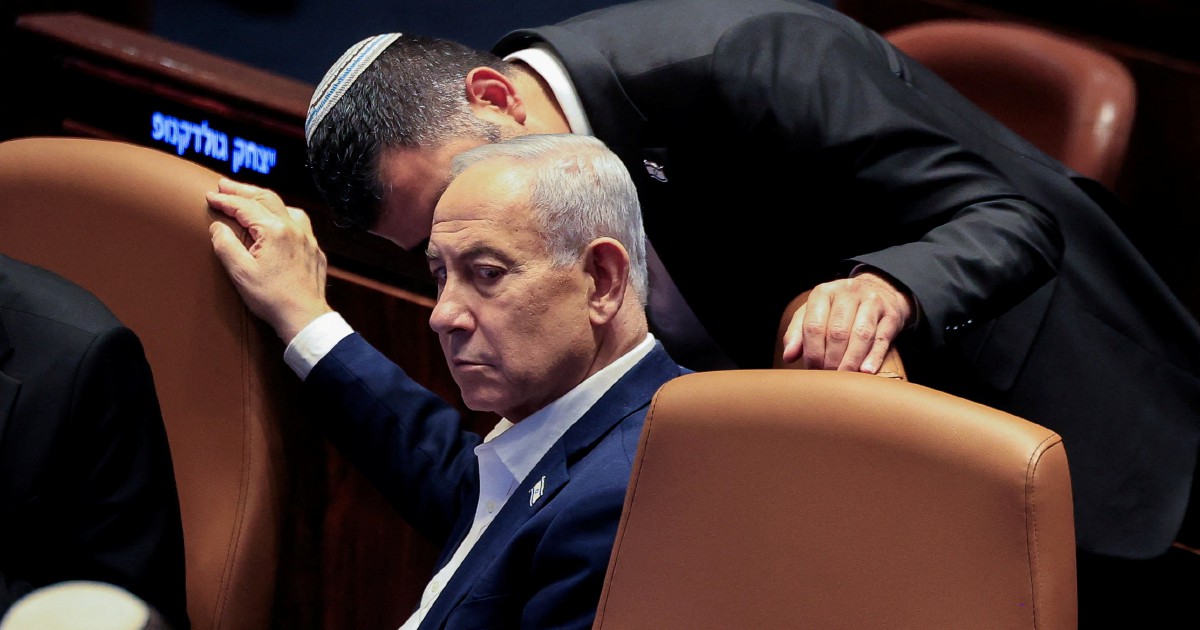
Benjamin Netanyahu's office launched a sharp rebuke at New York Mayor Zohran Mamdani on Sunday, responding to the mayor's suggestion that he was weighing whether to detain the Israeli Prime Minister when he arrives for an upcoming United Nations summit. The dispute highlights the intensifying diplomatic friction surrounding Netanyahu's international engagements, particularly as controversies over Israeli military operations continue to generate heated political responses globally.
Mamdani's comments, made in reference to Netanyahu's planned attendance at the UN gathering, appear to reference potential legal exposure the Israeli leader faces in various jurisdictions. The mayor's remarks touched on a sensitive issue that has dogged Netanyahu for months: the International Criminal Court's issuance of arrest warrants against him and other Israeli officials on allegations relating to the conflict in Gaza. These legal proceedings have created diplomatic complications whenever Netanyahu travels internationally, with several countries grappling with the legal obligation to enforce ICC warrants.
The Netanyahu office's denunciation came swiftly and in forceful terms, characterising the mayor's comments as inappropriate and reflective of what officials described as a troubling anti-Israel stance. Spokespeople from the Prime Minister's office framed the remarks as an attack on Israel itself, suggesting that such statements undermine the relationship between Israel and the United States, particularly at a moment when maintaining strong bilateral ties remains strategically important for Tel Aviv.
Mamdani's position as New York's mayor gives his comments particular significance, given that the city hosts the United Nations headquarters where the General Assembly convenes annually. As mayor, Mamdani holds considerable influence over city protocol and security arrangements for visiting world leaders. His suggestion that he was contemplating the legal implications of Netanyahu's visit raised questions about whether local authorities might face pressure to enforce international warrants, a scenario that would create unprecedented diplomatic complications.
For Malaysian and Southeast Asian observers, this episode underscores how the Israeli-Palestinian conflict and its associated legal proceedings are reshaping international diplomacy and creating unexpected friction within traditional allied nations. The situation demonstrates that support for Israel, long considered a bipartisan issue in American politics, is increasingly becoming fractured along generational and ideological lines, with younger political figures like Mamdani expressing more critical stances.
The incident also illuminates the practical consequences of the ICC's arrest warrants, which have transformed Netanyahu's international travel into a logistical and diplomatic minefield. Countries must navigate complex legal obligations under international law against political considerations and alliance relationships. This tension has already affected Netanyahu's ability to visit certain nations, and the New York situation suggests that even traditional allies may face domestic political pressure to enforce such warrants.
Mamdani's comments reflect broader tensions within progressive American political circles regarding Israeli military operations in Gaza. Activists and left-leaning politicians have increasingly called for accountability for actions they characterise as violations of international humanitarian law. These voices have become more prominent in municipal and state politics, where younger elected officials frequently champion positions that differ from traditional American support for Israeli security policies.
The Netanyahu office's response strategy appears designed to frame any legal challenges as politically motivated attacks rather than legitimate judicial processes. By emphasising the diplomatic implications and characterising criticism as anti-Israel sentiment, Israeli officials seek to maintain the narrative that their government is being unfairly targeted. This approach has become a consistent feature of how Israeli leadership responds to international legal accountability mechanisms.
For regional observers, this incident carries implications for how international law and geopolitics intersect in an increasingly multipolar world. Southeast Asian nations, which have traditionally maintained pragmatic relationships with both Israeli and Arab states, may find themselves navigating similar pressures should international legal proceedings expand or become more aggressive. The precedent being set in Western democracies could influence how developing nations approach their own obligations under international legal frameworks.
The episode also raises questions about the future trajectory of Israeli-American relations, particularly as demographic shifts in the United States create more diverse representation in political leadership. Figures like Mamdani, who represent communities with different historical experiences and perspectives on Middle Eastern conflicts, are increasingly influential in American politics. Their willingness to challenge established pro-Israel consensus suggests a potential recalibration of American support that Israeli policymakers must contend with strategically.
While the immediate diplomatic spat between Netanyahu's office and Mamdani may be resolved, the underlying issues remain unresolved. The confrontation illustrates how legal accountability mechanisms, combined with shifting political dynamics, are creating new vulnerabilities for Israeli leadership. Whether this represents a temporary political clash or signals longer-term changes in how the international community addresses alleged violations by state leaders will likely become clearer in coming months.

