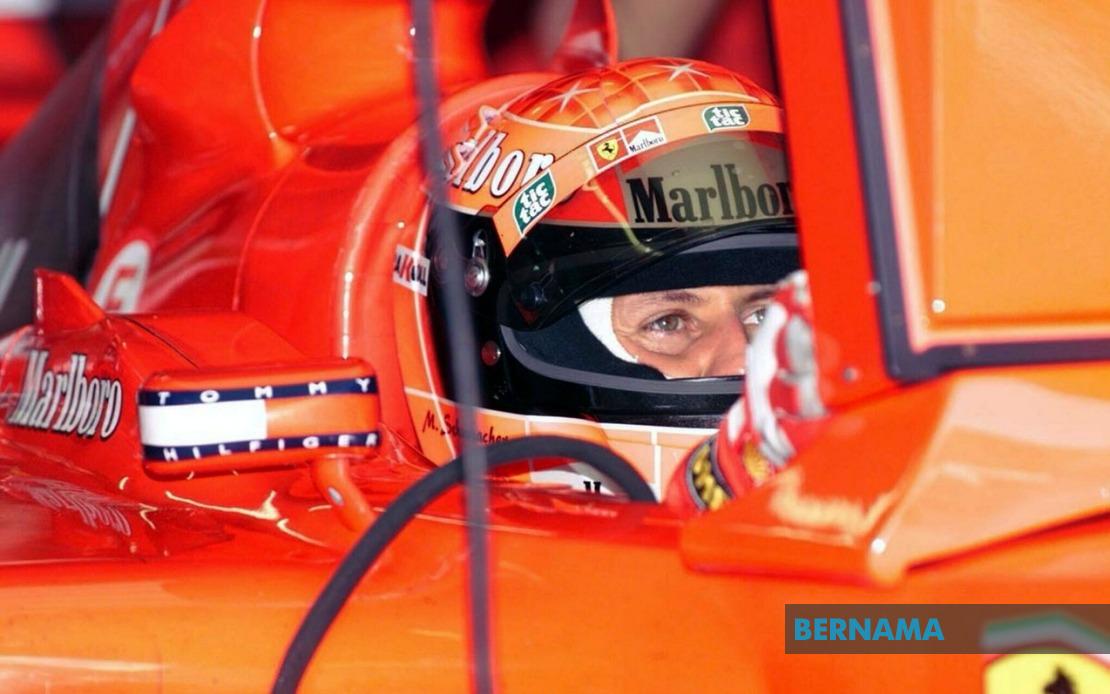
Netflix has announced plans to release a comprehensive documentary examining the life and career of legendary Formula One driver Michael Schumacher, with the film set to premiere on October 2. The production marks a significant moment for fans of motorsport globally, as it provides an intimate look at one of racing's most transformative and controversial seasons through the lens of the sport's most dominant figure of the modern era.
The documentary has been developed in close collaboration with Schumacher's wife Corinna, who has maintained a protective stance over her husband's privacy for over a decade. The project specifically focuses on the 1994 campaign, a watershed year in Formula One history that saw the then 25-year-old German driver secure the first of his record-equalling seven world championships. This particular season remains etched in motorsport folklore, not merely for Schumacher's ascent to the sport's pinnacle but for the extraordinary circumstances surrounding his triumph.
The 1994 season serves as the documentary's central narrative framework, capturing Schumacher's remarkable transformation from an outsider challenging the established order to a world champion. His journey encapsulates the intensity of competition at motorsport's highest level, where technical innovation, tactical brilliance, and sheer determination intersect. The film explores how a young driver from modest beginnings in Germany managed to navigate the complexities of elite racing and emerge victorious despite facing considerable obstacles and opposition.
That championship year was defined by multiple crises that would shape Formula One's trajectory for decades. Schumacher's Benetton team faced persistent allegations of technological cheating, with critics and rival teams questioning the legality of their vehicle's construction and performance capabilities. These disputes generated heated debate within the paddock and among fans, creating a contentious backdrop against which Schumacher's achievements must be understood. The controversy fundamentally altered perceptions of his early success and became inseparable from discussions of his legitimacy as a champion.
The season was darkened by two catastrophic tragedies that shocked the motorsport world and profoundly affected the entire community. Roland Ratzenberger's fatal accident during qualifying sessions and the subsequent death of three-time world champion Ayrton Senna during the San Marino Grand Prix at Imola cast a somber shadow over the year's proceedings. These losses prompted deep reflection within Formula One about safety protocols and the inherent risks drivers undertake when competing at extreme speeds. For Schumacher, these events coincided with his ascendant career trajectory, creating a complex emotional landscape for his championship story.
The documentary features interviews with numerous prominent figures intimately connected to that pivotal season. Corinna Schumacher provides personal perspective on her husband's journey and mindset during this transformative period. Flavio Briatore, who served as Benetton's team principal during the championship campaign, offers insights into the team's operations and decision-making processes. Bernie Ecclestone, the former Formula One commercial chief whose influence shaped the sport's modern structure, contributes historical context. David Coulthard, a competitor during that era, and Willi Weber, Schumacher's manager at the time, round out the testimonial framework, each providing distinct viewpoints on events.
The film also examines the phenomenon that emerged from Schumacher's success, particularly the surge of enthusiasm and national pride within Germany. His rise coincided with the country's post-reunification period, and his achievements on the global stage resonated powerfully with German audiences seeking international sporting heroes. This cultural dimension of his early career trajectory demonstrates how individual athletic accomplishment intersects with broader social and national sentiments, transforming a driver into a symbolic figure for an entire nation.
Schumacher's championship-clinching victory came in Adelaide, Australia, during the season finale—a controversial race where he secured the title by a single point margin against British driver Damon Hill. The circumstances of this decisive encounter remain debated among motorsport historians and fans, adding another layer of complexity to his championship narrative. The collision between the two drivers continues to generate discussion about sportsmanship, competitive ethics, and the boundaries of acceptable racing conduct.
The documentary's release carries heightened poignancy given Schumacher's current circumstances. Now 57 years old, Schumacher suffered a severe head injury during a skiing accident in 2013, an incident that fundamentally altered his life. Since that moment, he has maintained almost complete privacy, rarely appearing in public and limiting contact with the outside world. This extended absence from the public eye has intensified global curiosity about his condition and wellbeing, making any project involving his participation or that of his family particularly significant for his legion of admirers worldwide.
For Malaysian and Southeast Asian audiences with interest in motorsport, this documentary represents an opportunity to revisit a foundational moment in Formula One's contemporary history. The 1994 season marked a generational shift in the sport, introducing new technical and competitive paradigms that continue influencing the championship today. Understanding Schumacher's emergence and the controversies surrounding his success provides essential context for comprehending modern Formula One's evolution and the ongoing debates about competitive fairness that persist in the sport.
The timing of this release also reflects Netflix's broader strategy of investing in sports documentaries that appeal to international audiences. The streaming platform has successfully demonstrated that motorsport narratives, particularly those centered on iconic figures and significant historical moments, attract substantial viewership across diverse markets. This documentary will likely follow that successful template, combining archival footage, contemporary interviews, and narrative sophistication to create compelling viewing for both motorsport enthusiasts and general audiences.
The production's involvement of Corinna Schumacher represents a deliberate choice to humanize the story beyond mere sporting competition. Her participation suggests the documentary will explore personal dimensions of Schumacher's life—his motivations, relationships, and the pressures accompanying elite athletic competition. This approach aligns with contemporary documentary trends emphasizing psychological depth and emotional authenticity rather than purely factual recitation.

