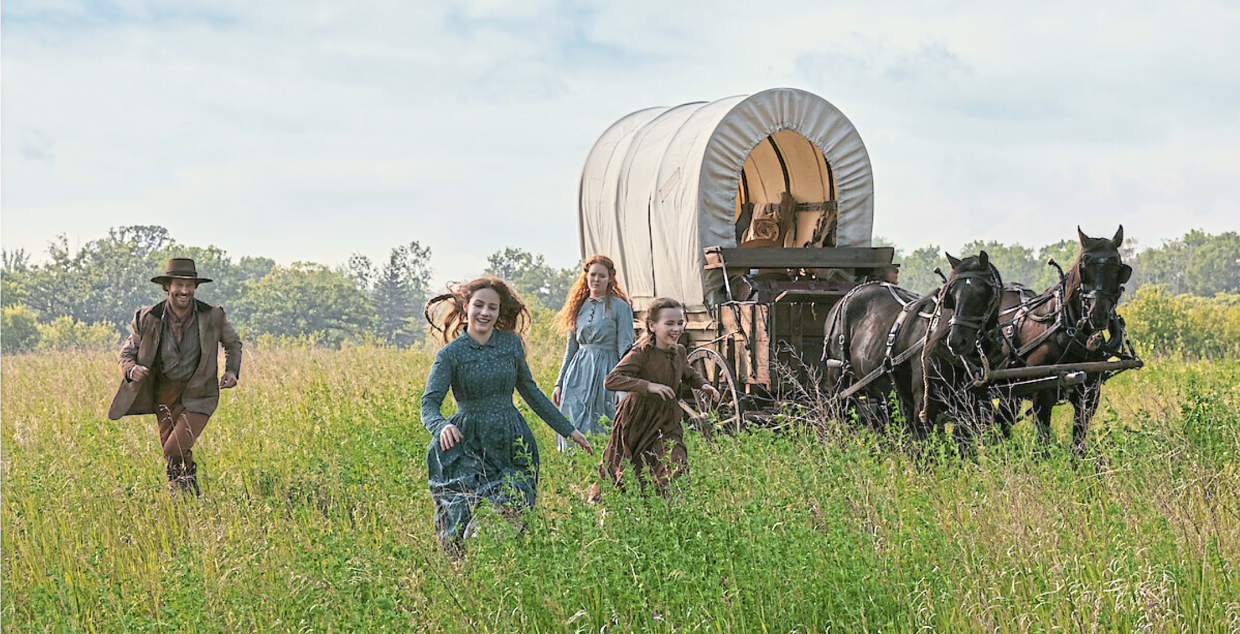
The streaming landscape continues to embrace classic literature, with Netflix preparing a contemporary reimagining of 'Little House on the Prairie' set to premiere in 2026. The production brings together an international ensemble cast led by Australian performer Luke Bracey, who takes on the role of Charles Ingalls, the patriarch navigating his family through the challenges of 19th-century frontier existence. This newest iteration arrives nearly five decades after the iconic NBC television series that captivated audiences throughout the 1970s and early 1980s, underscoring the enduring appeal of Laura Ingalls Wilder's 1935 source material.
The narrative foundation rests on exploring a multigenerational family's resilience during periods of hardship and triumph, with emotional authenticity at its centre. Bracey articulates a conviction shared among the creative team: the universal resonance of the Ingalls family transcends historical period and cultural boundaries. He observes that the widespread devotion spanning generations reflects something fundamental within the storytelling itself, a quality that warrants neither dismissal as coincidental nor overlooked as accidental. This philosophical grounding suggests the production aims deeper than surface-level nostalgia, instead positioning family bonds and emotional authenticity as thematically anchoring elements.
Netflix's interpretation distinguishes itself by directly engaging with historical complexities often sidestepped in earlier adaptations. Rather than presenting a sanitised frontier narrative, the series deliberately incorporates both settler-colonial perspectives and Indigenous storylines, acknowledging the multifaceted nature of westward expansion. This narrative approach reflects evolving expectations among contemporary audiences regarding historical representation, particularly regarding marginalised communities whose experiences were historically marginalised or omitted from popular entertainment.
The casting structure reinforces the family unit's emotional core. Alongside Bracey's Charles, the ensemble features Alice Halsey as Laura Ingalls, the narrative's central character; Crosby Fitzgerald portraying Caroline Ingalls, Laura's mother; and Skywalker Hughes embodying Mary, Laura's elder sister. Each performer contributes to establishing the domestic dynamics that ground the production's emotional architecture, transforming the Ingalls household into a lived space rather than merely a historical setting.
Halsey's reflection on her character's gendered experience illuminates the production's feminist consciousness. She emphasises the restrictive educational and social limitations imposed upon girls during the 1800s, contrasting those historical constraints with contemporary opportunities. Her observation that boys enjoyed considerably greater privileges—including expanded learning opportunities and social mobility—contextualises Laura's achievements within a framework of extraordinary determination and resilience. Halsey's personal acknowledgment that she would have been unable to pursue her own professional aspirations had she lived during Laura's era underscores the profound progress in gender equity across the intervening 170 years.
The production infrastructure demonstrates institutional confidence in the project's creative vision. Rebecca Sonnenshine, serving as creator and showrunner, has already secured renewal for a second season before the inaugural season premiere, a notable show of network faith that ensures narrative continuity and creative stability. This early renewal signals Netflix's commitment to long-form storytelling within the property, suggesting ambitions extending beyond a single-season novelty.
Hughes' comments regarding the production experience reveal the affective dimensions of creative collaboration during filming. Her reference to constructing meaningful memories during the previous season, coupled with optimism about returning for additional seasons, suggests a workplace culture emphasising ensemble cohesion and creative satisfaction. Such testimonials matter significantly for understanding how contemporary television productions function as collective creative endeavours, where cast relationships and professional camaraderie contribute to on-screen authenticity.
For Malaysian and Southeast Asian audiences, this adaptation represents a significant cultural moment within global entertainment. The deliberate inclusion of Indigenous narratives alongside settler perspectives reflects international conversations about representation that resonate far beyond North American contexts. Southeast Asian viewers understand acutely the historical complexities surrounding colonialism, cultural displacement, and competing historical narratives; this Netflix production's willingness to grapple with such themes offers an alternative model to oversimplified historical storytelling.
The project's timing within Netflix's broader content strategy reflects the platform's continued investment in prestige literary adaptations aimed at multiple demographic cohorts. By reimagining a nineteenth-century American text through contemporary production values and historiographical awareness, Netflix positions itself as a curator of culturally significant entertainment transcending generational and geographical boundaries. The inclusion of international talent like Bracey further internationalises the production, signalling entertainment industry trends toward genuinely global creative partnerships.
Ultimately, this adaptation represents more than nostalgic revisitation of beloved source material. Instead, it constitutes an active interrogation of how historical narratives can accommodate complexity, celebrate resilience, and acknowledge systemic inequities while maintaining emotional accessibility. Whether the execution realises these ambitious intentions will become evident upon release, but the production's conceptual framework already signals substantive engagement with contemporary storytelling concerns that extend the Ingalls family's relevance well beyond their 1880s prairie setting.

