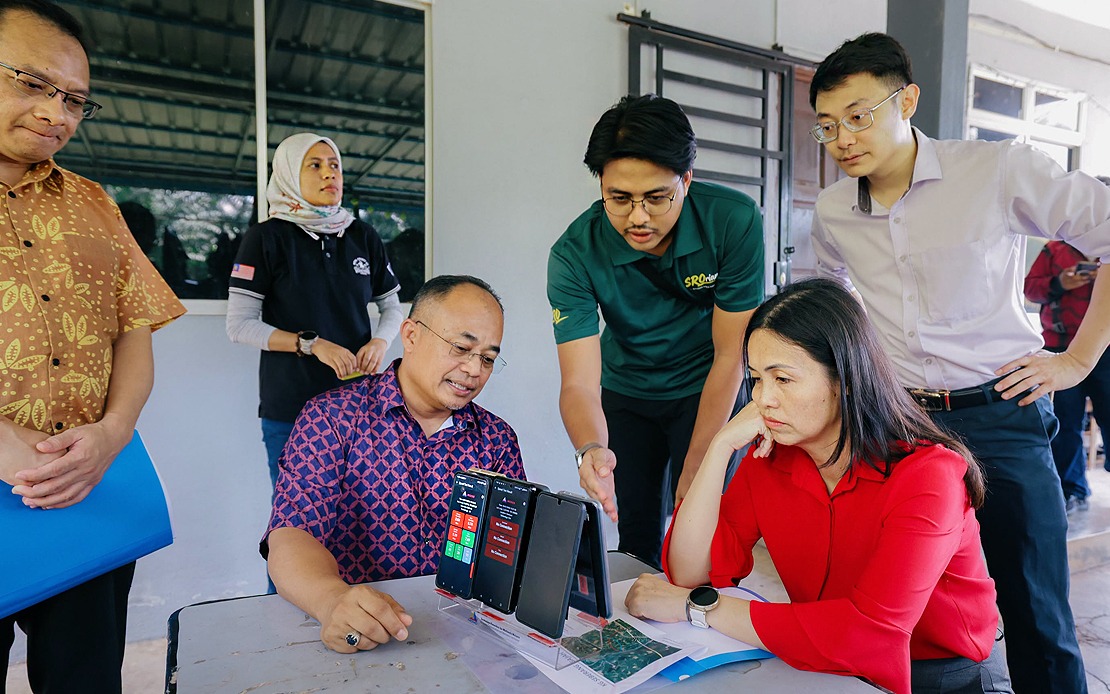
The residents of Kampung Seberang Gajah in Tangkak are set to gain access to dependable internet connectivity following confirmation that a new telecommunications tower will be constructed in their locality. Deputy Communications Minister Teo Nie Ching made the announcement after visiting the village on July 9 to conduct an on-site assessment of current service quality alongside officials from the Malaysian Communications and Multimedia Commission and representatives of telecommunications firms operating in the region.
The digital divide afflicting this rural community stems from an unusual paradox: despite two telecommunications towers already standing in nearby locations, their signal reach remains inadequate to serve the surrounding villages effectively. This gap between infrastructure presence and actual coverage represents a recurrent challenge in Malaysia's broadband expansion efforts, particularly in areas where terrain, distance, or structural obstacles compromise transmission quality. The existing towers have proven insufficient to meet residents' connectivity demands, leaving the community underserved despite the apparent proximity of broadcasting facilities.
To remedy this situation, the Malaysian Communications and Multimedia Commission has directed telecommunications service providers to establish a dedicated tower specifically designed to improve coverage in Kampung Seberang Gajah. This regulatory intervention underscores the MCMC's commitment to closing connectivity gaps that persist despite the presence of nearby infrastructure. The intervention reflects recognition that simply having towers in an area does not guarantee equitable service distribution, and that targeted infrastructure development remains necessary to achieve universal broadband access across Malaysia.
According to Teo, the technical design and engineering specifications for the new tower have already been completed and finalised by the responsible telecommunications company. The project has advanced beyond the planning phase and now stands at a critical administrative juncture. Before excavation can commence and construction crews can mobilise equipment and personnel to the site, the company must secure formal approval from the local authority governing Tangkak, an intermediate step that bureaucratic processes have made essential before any physical development occurs.
The Deputy Minister stressed the importance of accelerating both the permitting process and the subsequent construction timeline. Her public appeal for expedition reflects frustration with the sometimes sluggish pace of administrative clearances that can delay infrastructure projects, even after technical planning concludes. By encouraging local authorities to prioritise this application, Teo sought to ensure that residents would not endure prolonged waits for improved connectivity after the announcement of relief.
The survey visit itself carried symbolic weight beyond its immediate information-gathering purpose. The presence of Head of the State Affairs Sector Bukhari Yahya, MCMC Southern Region Office director Rizal Abd Malek, and multiple telecommunications company representatives demonstrated that addressing this connectivity issue had escalated to a matter of official concern spanning multiple government departments. Such high-level engagement signals that rural digital accessibility has become embedded within broader state development priorities, at least rhetorically.
The timing of this infrastructure commitment holds relevance for Malaysia's ongoing effort to bridge the urban-rural digital divide. Rural communities across the nation continue to experience inferior internet quality and reliability compared to their urban counterparts, creating educational, economic, and social disadvantages for residents. Projects like the Kampung Seberang Gajah tower represent incremental progress toward equitable digital access, though they also highlight the fragmented nature of Malaysia's broadband rollout, where solutions often come in response to localised complaints rather than through comprehensive national planning.
The telecommunications sector in Malaysia operates within a regulatory framework where the MCMC wields authority to direct service providers toward infrastructure investments deemed necessary for public benefit. This dynamic creates both accountability mechanisms and potential delays, as companies must balance regulatory directives against commercial considerations. The commission's decision to mandate a new tower in this instance suggests that connectivity deficiencies in Kampung Seberang Gajah exceeded acceptable thresholds and warranted intervention.
For residents of the village, the practical implications of improved internet access extend beyond entertainment and leisure pursuits. Reliable connectivity facilitates access to online education, telemedicine, e-commerce opportunities, and government digital services. Students can pursue distance learning without frustration, small business operators can participate in e-commerce platforms, and households can access government portals for administrative transactions. The new tower thus represents an investment not merely in bandwidth but in residents' broader participation in the digital economy and society.
The construction timeline remains undefined, pending the local authority's permit approval and subsequent mobilisation of contractors. Teo's public urging of expedition suggests that administrative processes might not automatically move swiftly, requiring high-level political pressure to prevent delays. Residents and government officials alike will now monitor the permit approval process as an indicator of commitment to resolving this long-standing service gap that has affected the community's economic and social development.

