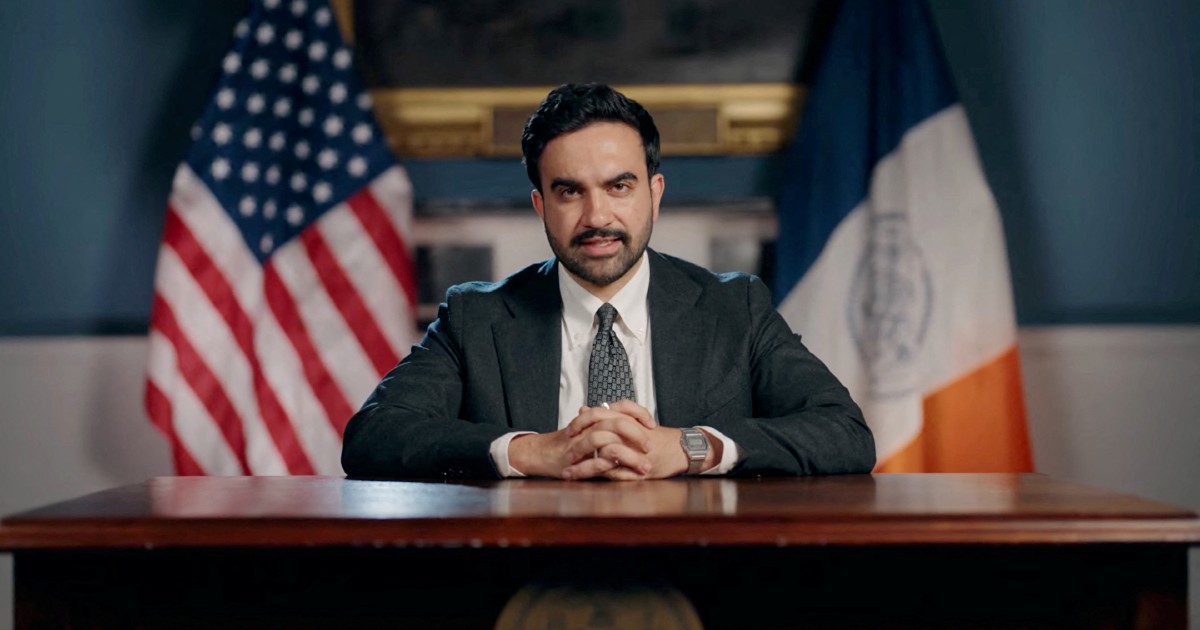
New York Mayor Zohran Mamdani declared on Tuesday that his city administration lacks the legal power to execute the International Criminal Court's arrest warrant for Israeli Prime Minister Benjamin Netanyahu, and instead appealed to United States federal authorities to take responsibility for the situation. The statement reflects a widening constitutional uncertainty over how American cities and states should respond when foreign judicial bodies issue arrest orders against foreign leaders visiting or travelling through the United States.
Mamdani's position underscores a fundamental tension within the American federal system regarding jurisdictional authority. Municipal governments operate under state law and local ordinances, with enforcement powers typically limited to matters affecting their immediate communities. International legal instruments such as ICC arrest warrants occupy a different sphere entirely, as they derive authority from international treaties and protocols rather than domestic law. The mayor's assertion suggests that implementing such warrants would require coordination far beyond the reach of city officials, despite New York's status as a major international city and home to numerous global institutions.
The situation carries particular significance for the Middle East and Southeast Asia, regions where the ICC's actions and American compliance—or non-compliance—with international justice mechanisms are closely monitored. The court's reach and legitimacy remain subjects of debate across the Global South, with some nations viewing it as a tool for addressing international crimes and others questioning its impartiality and enforcement capacity. How the United States handles this case will likely influence perceptions of the ICC's practical authority in the international system.
Mamdani's appeal to federal officials reflects awareness that any enforcement action would require intervention at the national government level. The US federal government maintains the primary authority to negotiate with international bodies and to manage diplomatic relations with Israel, a key American ally. Federal law enforcement and State Department officials would need to determine whether US treaty obligations toward the ICC supersede other diplomatic considerations, particularly given America's complex relationship with the international court.
The existence of an ICC arrest warrant creates operational complications for any jurisdiction where the targeted individual might appear. Netanyahu's previous visits to New York and potential future travel there could trigger legal challenges from advocates of international justice, civil society organisations, and some government officials. Yet without federal action or legislation clarifying the municipal role in enforcing international warrants, city authorities remain in a position of legal ambiguity where enforcement attempts might exceed their statutory powers.
The ICC warrant itself reflects the court's investigation into alleged conduct during the Gaza conflict. International law scholars and observers have noted that the court's jurisdiction and the validity of its warrants remain contested issues, particularly among nations that have not ratified the Rome Statute. The United States itself has not ratified the ICC treaty, which complicates the legal foundation for any enforcement action by American authorities, whether federal or municipal.
Mamdani's distinction between municipal incapacity and federal responsibility also highlights the practical limits of decentralised authority in foreign policy matters. American mayors, despite leading major cities with significant international dimensions, possess limited tools for managing diplomatic crises or enforcing international legal instruments. Transferring such authority upward to federal agencies preserves the traditional hierarchy of American governance while acknowledging the international law complexities that transcend municipal boundaries.
The statement has generated scrutiny from human rights advocates who argue that the US, as a nation state, bears responsibility for ensuring accountability mechanisms function, while others maintain that diplomatic immunity and practical considerations should govern how American authorities treat visiting foreign leaders. This debate extends beyond Netanyahu to questions about how the US should generally respond when the ICC issues warrants for officials from allied nations, adversary states, or non-signatory countries.
For Southeast Asian observers, the case demonstrates how international justice institutions operate within constraints imposed by powerful nation states. The ICC's enforcement ultimately depends on voluntary cooperation from member nations and the acquiescence of countries like the US that wield influence but are not even signatories to the founding treaty. This reality shapes the practical authority of international courts across the region and influences calculations about their utility for addressing alleged crimes against humanity, war crimes, and genocide.
The mayor's position effectively defers the question to higher authorities rather than resolving it, creating a precedent whereby city governments need not navigate international warrant enforcement directly. Whether the federal government will provide guidance on how municipalities should respond to such warrants remains uncertain, leaving American officials and international legal advocates without clear answers about compliance and diplomatic obligations.

