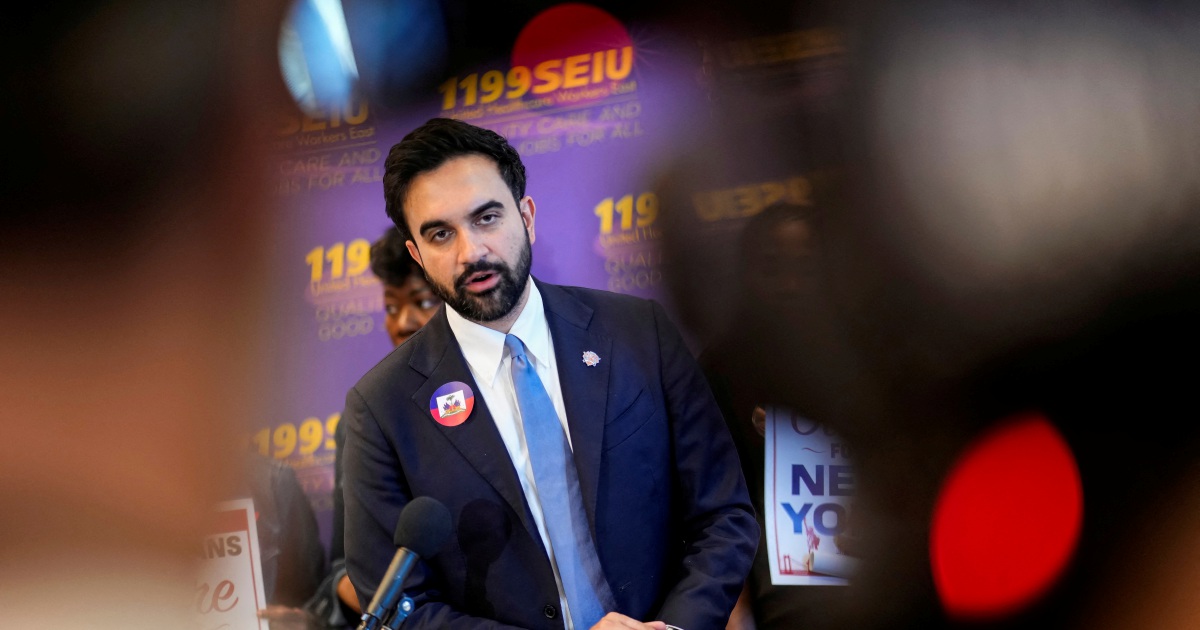
New York Mayor Zohran Mamdani has indicated he is considering whether to pursue the arrest of Israeli Prime Minister Benjamin Netanyahu when the prime minister attends an upcoming United Nations summit in the city, according to remarks made in a Saturday interview. The suggestion has triggered an immediate and forceful response from Netanyahu's representatives, who have dismissed the proposal as politically motivated and legally unfounded.
The arrest consideration emerges against a backdrop of sustained tension between Israel and the international community over its military operations in Gaza. Netanyahu's anticipated attendance at the UN General Assembly represents a significant diplomatic moment, and any attempt to detain him would constitute an unprecedented diplomatic incident with far-reaching consequences for New York's relationship with the Israeli government and broader implications for US foreign policy.
Mamdani's exploration of this possibility reflects mounting pressure from activists and some political figures within New York who have grown increasingly vocal about accountability regarding Israeli conduct in the Palestinian territories. The mayor's willingness to publicly discuss such an action suggests a political climate in parts of the United States where support for Palestinian causes has gained considerable traction, particularly among younger voters and progressive constituencies.
The legal framework surrounding such an arrest would be extraordinarily complex. The United Nations headquarters, whilst located on New York soil, enjoys special immunological status under the 1946 General Convention on Privileges and Immunities of the United Nations. Foreign heads of government and state representatives attending UN functions typically benefit from diplomatic immunity protections that would render any arrest attempt problematic under international law. Netanyahu's status as a sitting prime minister would likely provide additional legal protections that would make such detention practically impossible to enforce.
Israel's government has responded with characteristic sharpness to Mamdani's remarks. The Prime Minister's office has characterised the proposal as a dangerous precedent that undermines fundamental principles of diplomatic engagement and international law. Such an arrest, were it even theoretically possible, would represent a dramatic departure from established diplomatic norms that have governed international relations for decades.
The timing of this discussion is significant within the context of current geopolitical developments. The conflict between Israel and Palestinian territories remains a contentious issue in global forums, with increasing numbers of countries and international bodies calling for investigations into allegations of war crimes and violations of international humanitarian law. However, most formal mechanisms for pursuing such accountability, including the International Court of Justice and the International Criminal Court, operate through established legal channels rather than through ad hoc detention efforts by municipal authorities.
New York's position as the headquarters of the United Nations places the city at the intersection of global diplomacy and domestic politics. Mayors of New York have historically attempted to balance their responsibilities to the municipal population, a significant portion of which includes both Israeli and Palestinian communities with deeply held convictions about the conflict, with the city's role as host to international diplomatic functions. This latest controversy highlights the difficulty of maintaining that balance in an era of heightened political polarisation.
The discussion also reflects the complex relationship between the United States federal government and local authorities on matters of foreign policy. While the mayor can express opinions on international affairs, the federal government ultimately holds primary responsibility for diplomatic protocol and international relations. Any attempted arrest would likely face immediate intervention from federal authorities and the State Department, which has obligations under international law to protect foreign dignitaries on American soil.
For Southeast Asian observers, this situation underscores broader tensions within Western democracies regarding accountability mechanisms in international law. Malaysia and other regional nations have witnessed similar debates about universal jurisdiction and whether local authorities should pursue arrest warrants for foreign leaders accused of violations. The New York scenario presents a cautionary example of how local political pressures can create diplomatic friction even within close allies of Israel such as the United States.
The practical reality is that any arrest attempt would face insurmountable obstacles at multiple levels. Netanyahu's security detail would prevent physical apprehension, diplomatic immunity would invalidate any legal process, and federal intervention would forestall any attempt by local authorities to override established diplomatic protocols. Nevertheless, the public discussion of such a possibility signals the degree to which the Israeli-Palestinian conflict has penetrated domestic political consciousness in major Western cities.
Moving forward, this controversy will likely influence Netanyahu's decision-making regarding UN attendance and highlight the increasing challenges faced by Israeli leaders in traveling to countries where public opinion has shifted significantly against Israeli government policies. The incident demonstrates how localized political movements can intersect with international diplomacy in ways that create friction between traditional allies and complicate the functioning of multilateral institutions.

