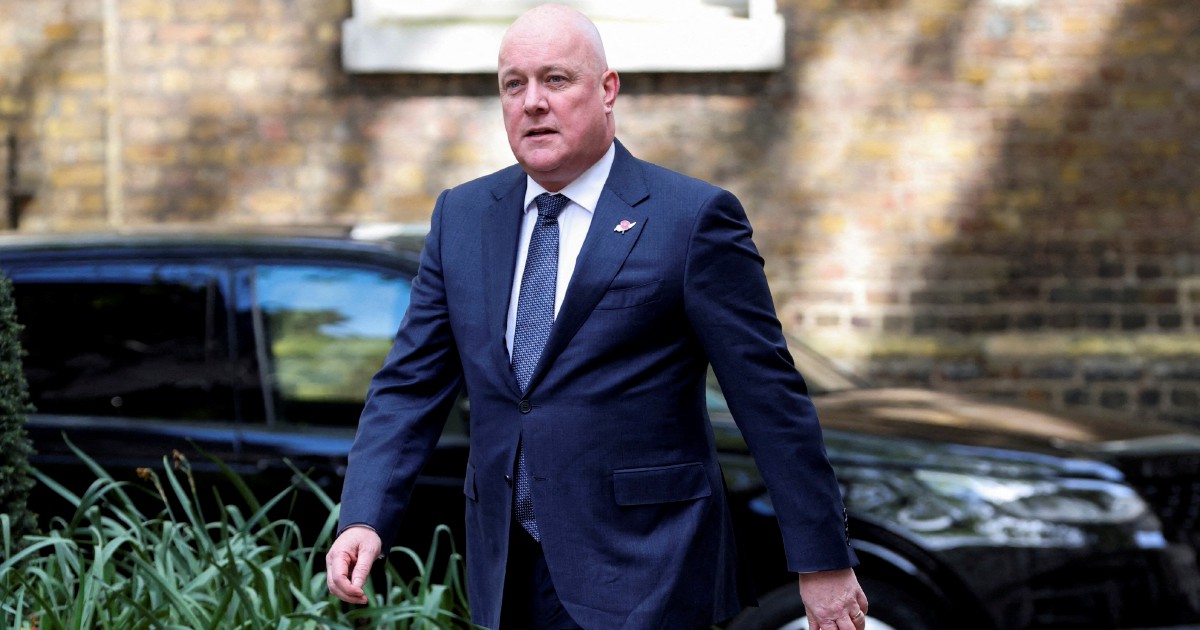
New Zealand Prime Minister Christopher Luxon has secured the full backing of his ruling National Party after successfully navigating an internal leadership challenge that emerged during the final stretch before a general election. The contest, announced with less than three months remaining until voters head to the polls, threatened to destabilise the governing coalition at a critical juncture in the political calendar. Luxon's affirmation of party support on Wednesday signalled that his position as party leader remains intact despite the pressure from within his own ranks.
The timing of the challenge underscores the intensifying pressures facing New Zealand's political establishment as the country approaches an election that will determine the direction of the nation's economic and social policies. For the National Party, which has governed in coalition with other parties, the internal discord could have rippled outward, complicating efforts to present a unified front to voters during the crucial final months of campaigning. Leadership contests at such sensitive moments often signal underlying anxieties within governing parties about electoral prospects or policy directions.
Luxon's confirmation of National Party support suggests that while the challenge tested his position, it did not reflect a broader mutiny within the organisation. Party unity at the leadership level remains essential for any governing formation seeking to build momentum heading into an election. The resolution of this matter relatively swiftly indicates the party machinery moved to settle the question quickly rather than allowing it to fester as a prolonged source of division.
For Malaysian observers of Commonwealth democracies, the New Zealand situation illustrates how leadership questions can emerge even within ruling parties that occupy government. Unlike systems where internal party contests are less visible, Westminster-influenced parliaments like New Zealand's often see such challenges play out in the public domain, requiring prime ministers to demonstrate organisational discipline and personal political capital to survive. This contrasts with other political systems where intraparty dynamics remain more shielded from public scrutiny.
The challenge's emergence three months before an election is particularly noteworthy because it suggests either that Luxon's critics believed they had sufficient support to contest his position, or that external circumstances prompted the question. Leadership challenges rarely emerge without significant backing or triggering events. The fact that this one proceeded to completion rather than being withdrawn indicates genuine pressure from within National Party ranks.
For the coalition government's broader agenda, resolving the leadership question clears the decks for concentrated electioneering and policy messaging in the final quarter before polling. Internal divisions during such periods typically distract from government narratives and hand opposition parties straightforward ammunition for criticism. By securing explicit party affirmation, Luxon can now refocus National Party machinery on electoral strategy rather than internal management.
New Zealand's electoral dynamics have shifted considerably in recent years, with multiple parties vying for power and influence in Parliament. This fragmentation makes coalition management a critical skill for prime ministers, and leadership stability within the largest coalition partner carries particular weight. Luxon's retention of National Party support therefore has implications beyond his personal political future—it affects the coalition's internal balance and its credibility as a continuing governing formation.
Regionally, New Zealand's political stability matters for Southeast Asia and the broader Indo-Pacific. As a senior OECD member and vocal participant in regional security discussions, the country's internal political trajectory influences its external engagement. Leadership instability, even when resolved, can create policy uncertainty or suggest reduced capacity for consistent diplomatic engagement during transition periods. This is particularly relevant given New Zealand's positions on regional trade, security cooperation, and relationships with major powers.
The manner in which this challenge was resolved—through party processes and resulting in clear affirmation of support—demonstrates how Westminster systems manage internal political turbulence. Rather than destabilising the entire government or prompting broader coalition collapse, the National Party executed its procedures and reaffirmed leadership. This stability mechanism, while sometimes producing outcomes that surprise external observers, generally allows governments to manage contests without the paralysis that might accompany leadership crises in other systems.
With the challenge behind him and election season intensifying, Luxon enters the final months with his authority endorsed by his party. Whether this positions the National Party-led coalition favourably for electoral outcomes remains to be tested at the ballot box. However, the psychological impact of surviving a leadership test can occasionally strengthen a leader's hand, particularly if supporters view the challenge as unfounded or if the leader's victory margin demonstrates solid organisational control.

