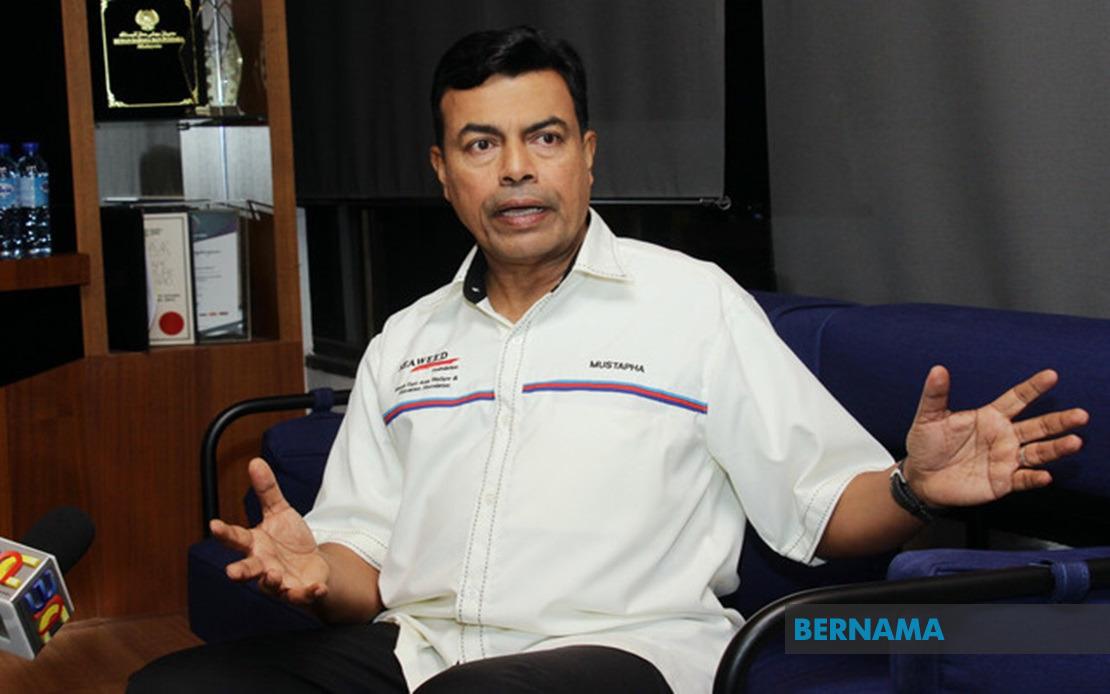
The South East Asia Welfare and Education Foundation has made a compelling case for Malaysia to establish an independent or ministry-linked body dedicated to protecting students' safety and welfare in schools, arguing that such oversight would relieve teachers of administrative burdens while creating more robust protections. Speaking in Semporna, foundation chairman Datuk Dr Mustapha Ahmad Marican outlined a proposal that would fundamentally reshape how schools respond to disciplinary matters, violence, and threats to student wellbeing across the country's education system.
The proposal reflects growing anxieties about incidents of bullying, campus gangsterism, and physical harm that have marked Malaysian schools in recent years. Rather than leaving safety protocols entirely in the hands of individual school administrations and teaching staff already stretched thin by classroom responsibilities, Marican envisioned a centralized authority capable of monitoring incidents systematically, establishing evidence-based prevention strategies, and ensuring consistent implementation of safety standards across institutions. This structural separation of safety oversight from routine educational delivery represents a significant departure from current practice in Malaysia.
International precedent supports the feasibility of such arrangements. The United Kingdom and Australia both operate dedicated agencies or comprehensive legal frameworks specifically designed to safeguard student welfare in school environments. These jurisdictions have moved beyond relying on schools as self-regulating institutions, instead embedding accountability and specialist expertise into dedicated bodies empowered to investigate complaints, enforce standards, and drive continuous improvement. Malaysia could benefit from examining these models while adapting them to local contexts and governance structures.
The foundation's chairman emphasized that instances of bullying producing physical injuries deserve treatment as serious matters requiring swift and effective intervention. Current systems often address such incidents reactively after harm has occurred, rather than through preventive frameworks that identify risk factors and intervene before escalation. A dedicated safety body could establish protocols for early warning signs, train school personnel in de-escalation techniques, and coordinate responses across multiple schools within districts or regions. Such coordination would prevent isolated incidents from being dismissed as localized problems while systemic patterns go unaddressed.
Marican proposed that any new body could operate either under the Education Ministry's administrative structure or as an independent entity with autonomous decision-making authority. The choice between these options carries important implications. A ministry-embedded agency might benefit from direct access to policy levers and resource allocation, but could face constraints in investigating complaints against school officials or ministry personnel. An independent body would enjoy greater investigative freedom and credibility among students and parents who might hesitate to report concerns through government channels, though it would require careful coordination mechanisms to ensure collaboration with schools and ministry officials.
Addressing mental health dimensions of school violence represents a crucial element of the proposal. Bullying incidents frequently reflect underlying psychological distress among perpetrators, while victims often suffer lasting emotional trauma affecting academic performance and social development. A specialized safety agency could mandate mental health assessments, connect students with counseling services, and work with school psychologists to address root causes rather than simply punishing behavioral symptoms. This therapeutic orientation would represent a meaningful shift from traditional disciplinary approaches that prioritize punishment over remediation.
The call for regular bag inspections to intercept weapons before they enter school premises addresses an urgent practical concern. Multiple incidents in Malaysian schools have involved students bringing knives or other sharp implements onto campuses, creating immediate risks during moments of conflict or instability. While bag inspections raise privacy considerations requiring careful policy design, systematic monitoring could significantly reduce weapon-related violence. Implementation would need to balance security with respect for student dignity, perhaps through transparent protocols, staff training on appropriate search procedures, and clear communication about the safety rationale underpinning the practice.
The Malaysian education landscape presents particular vulnerabilities that specialized oversight could address. With enrollment exceeding five million students across thousands of institutions spanning rural and urban areas, maintaining consistent safety standards proves inherently challenging under current decentralized models. Schools in remote regions may lack access to counseling services, security expertise, or rapid intervention resources. A centralized body could deploy specialized staff and resources strategically, target high-risk schools for enhanced support, and establish data systems identifying emerging patterns of violence or bullying that individual schools might not perceive in isolation.
Teacher welfare forms an implicit dimension of this proposal. Educators facing repeated disciplinary crises, violence, or threats suffer burnout and reduced effectiveness in their core instructional mission. When safety protocols require intervention by specialists rather than classroom teachers, educational professionals can focus on pedagogical responsibilities. This reallocation of responsibilities addresses the broader teacher shortage and morale challenges confronting Malaysian education, where attrition rates have climbed partly due to non-teaching demands imposed on school staff. Supporting teachers through better disciplinary infrastructure indirectly supports learning outcomes.
Implementing such a body would require careful attention to governance structures, funding mechanisms, and coordination protocols with existing education bureaucracies. The Education Ministry would need to establish clear mandates distinguishing the safety agency's authority from school administrative functions, define escalation procedures for incident reporting, and create accountability mechanisms ensuring the new body operates transparently and responsibly. Regional or state-level satellite offices might improve accessibility for schools and students seeking to report concerns or access support services.
The proposal also reflects international trends toward recognizing student safety as a distinct policy domain worthy of dedicated institutional attention. Whereas earlier frameworks treated safety as a secondary concern within broader school administration, contemporary practice increasingly establishes standalone bodies acknowledging that protecting children requires specialized expertise, independent oversight capacity, and insulation from pressures that might compromise decision-making. For Malaysia, adopting this approach could position the country as a regional leader in student protection while addressing genuine concerns about campus violence that have preoccupied parents and educators.

