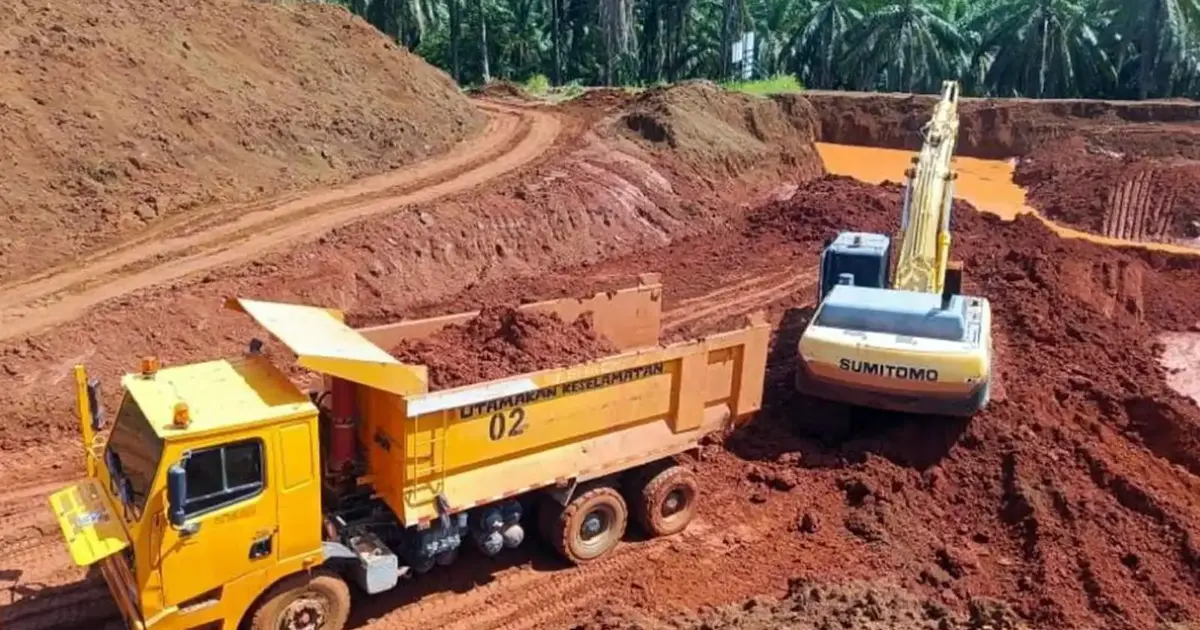
A significant enforcement operation targeting illegal bauxite extraction has resulted in nine arrests and the seizure of RM3.75 million in assets and mining materials, marking another step in authorities' efforts to combat unlicensed mining activities on federal land. The General Operations Force spearheaded the raid, detaining suspects they believe were operating an unauthorised bauxite mining enterprise on a Felda plantation, with the arrested individuals including both Malaysian and foreign nationals.
The scale of assets recovered during the operation underscores the substantial financial networks often underpinning illegal mining ventures in Malaysia. Beyond the monetary value of seized equipment and resources, the confiscation of bauxite itself—a key aluminium ore increasingly in demand for industrial and manufacturing purposes—highlights how illegal extraction diverts raw materials away from legitimate channels and regulated taxation systems. The enforcement action demonstrates that unlicensed mining continues to pose a persistent challenge despite intensified scrutiny.
Felda plantations, which cover vast tracts of land across peninsular Malaysia, have occasionally become targets for illegal resource extraction activities. The accessibility and relatively remote nature of some plantation areas can make them vulnerable to exploitation by criminal networks seeking to bypass licensing requirements and environmental compliance obligations. Law enforcement agencies have progressively heightened patrols and monitoring in these regions to deter such operations.
The involvement of foreign nationals in the suspected scheme points to a broader pattern in Malaysia's illegal mining sector, where transnational criminal syndicates sometimes coordinate extraction and trafficking activities. This international dimension adds complexity to enforcement efforts, as it may require cooperation between Malaysian authorities and neighbouring countries to dismantle entire supply chains and prosecute culprits operating across borders.
Bauxite mining in Malaysia has become increasingly scrutinised due to environmental concerns and community grievances, particularly in states like Pahang and Terengganu, where large-scale legal operations have sometimes attracted criticism over habitat destruction and pollution. Illegal mining exacerbates these problems by operating entirely outside environmental safeguards, creating unregulated tailings, dust dispersal, and water contamination risks. Communities near affected areas often bear the brunt of environmental degradation without compensation or remediation.
The recovery of RM3.75 million in assets likely includes machinery, vehicles, processing equipment, and stockpiled ore—all valuable components of an active extraction operation. Such confiscations represent significant financial losses for criminal enterprises and serve as a deterrent to others contemplating illegal ventures. However, the rapid profitability of bauxite extraction means some operators may view occasional losses as acceptable business costs, necessitating more sustained and comprehensive enforcement strategies.
Authorities have progressively strengthened oversight of bauxite mining through stricter licensing requirements, surprise inspections, and digital monitoring systems. The General Operations Force's involvement in this particular raid indicates a coordinated, multi-agency approach combining intelligence gathering with tactical enforcement. Such operations require intelligence work to identify locations and networks before deployment, reflecting an increasingly sophisticated response to resource crimes.
The seizure also highlights the importance of international cooperation, given that illegal bauxite mined in Malaysia may be smuggled to neighbouring countries for processing or sold to regional buyers unaware of its illicit origins. Supply chain transparency and destination tracing remain challenging, particularly in Southeast Asia's porous maritime borders and complex logistics networks. Bilateral agreements and information-sharing mechanisms are gradually improving, but gaps remain.
For legitimate bauxite miners operating with proper licenses and environmental compliance, such enforcement actions level the playing field by removing competitors who cut corners on costs and environmental obligations. This supports market stability and encourages adherence to regulatory frameworks. The wider implication is that sustained enforcement ultimately benefits responsible industry operators and communities affected by mining activities.
The arrest and asset seizure will likely trigger formal investigations into the suspects' connections, funding sources, and intended destinations for the extracted bauxite. Prosecutions under Malaysia's mining and environmental laws could result in significant penalties, imprisonment, and forfeiture of remaining assets. The cases will also be monitored closely by industry observers and civil society groups tracking enforcement effectiveness.
Moving forward, maintaining momentum in combating illegal bauxite mining will require continued investment in surveillance technology, intelligence networks, and inter-agency coordination. Authorities must also address underlying economic incentives that make illegal mining attractive, including weak market enforcement for imported bauxite and limited detection mechanisms at ports and borders. Community engagement and reporting mechanisms can further strengthen detection capabilities, as local residents often possess valuable information about suspicious mining activities in their areas.

