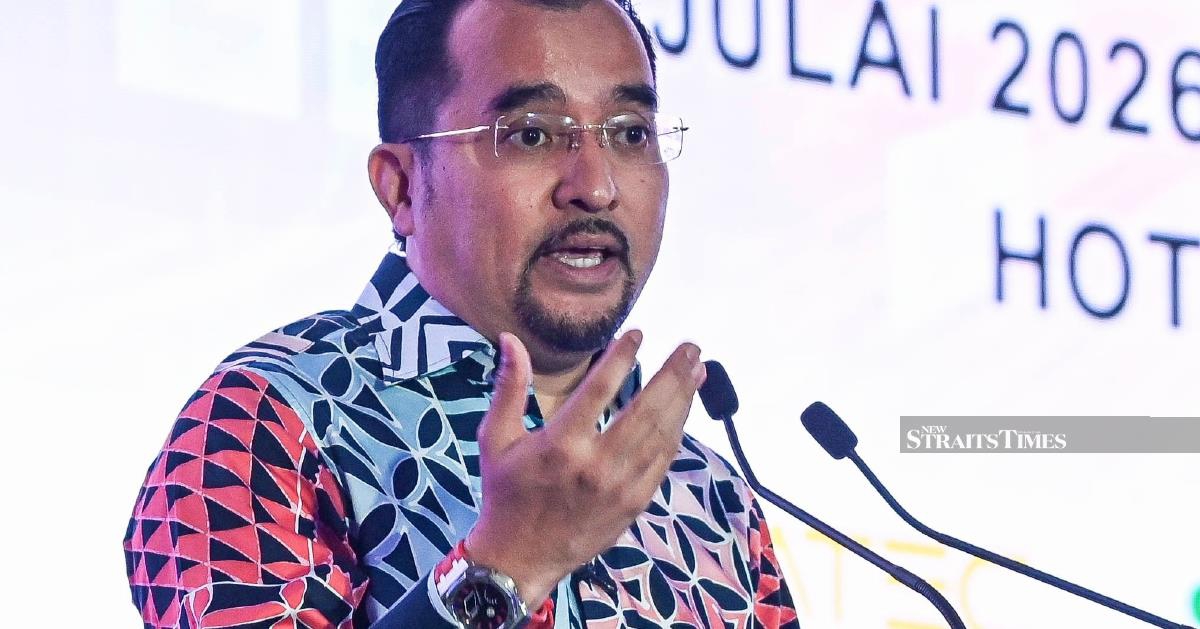
Umno secretary-general Datuk Dr Asyraf Wajdi Dusuki has insisted that accountability must apply uniformly across all levels of the Tabung Haji organisation if the Royal Commission of Inquiry uncovers evidence of misconduct, corruption, or misuse of authority. Speaking to journalists in Kuala Lumpur, Asyraf emphasised that the party would not tolerate protective measures or preferential treatment for any individual, regardless of their position or political connections, if the investigation reveals wrongdoing in the pilgrim fund's operations.
The call for unwavering accountability underscores growing scrutiny of Tabung Haji's governance and financial management over recent years. The religious organisation, which manages the savings of millions of Malaysian Muslims preparing for the hajj pilgrimage, has faced mounting questions about its investment strategies, administrative practices, and internal controls. The establishment of the RCI represents a formal attempt to examine whether systemic failures or deliberate misconduct contributed to the challenges the institution has encountered.
Ashyaf's stance reflects broader pressure within Umno and the political establishment to demonstrate commitment to transparency and good governance. By explicitly rejecting the prospect of shielding individuals from consequences, he seeks to distance the party from perceptions of cronyism or institutional protection for connected figures. This positioning aligns with public sentiment demanding accountability from leadership, particularly regarding organisations entrusted with public or community funds.
The Tabung Haji RCI investigation has become a focal point for public concern about fund management in Malaysia's religious institutions. With hundreds of thousands of Malaysians relying on the organisation to safeguard their hajj savings, any findings of impropriety would carry significant weight beyond bureaucratic circles. The commission's conclusions could reshape governance frameworks for similar institutions and influence future oversight mechanisms for religious bodies managing community finances.
Ashyaf's remarks gain particular significance given Umno's historical relationship with Tabung Haji and its governance. The party's distance from the institution has shifted over time, and recent leadership changes have prompted the party to recalibrate its public messaging around institutional integrity. By advocating for comprehensive accountability without exceptions, Asyraf appears to be signalling that Umno will not obstruct or defend problematic conduct should the RCI identify it.
The implications of the RCI findings could extend beyond individual culpability to encompass institutional reforms. If the investigation reveals structural weaknesses in Tabung Haji's oversight, investment management, or administrative procedures, recommendations would likely shape how the organisation operates in future. Malaysian authorities and religious leadership would face pressure to implement safeguards preventing similar issues, potentially creating templates for governance improvements across other faith-based financial institutions.
For Malaysian Muslims dependent on Tabung Haji, the RCI represents an opportunity to restore confidence in an institution fundamental to their religious obligations and financial planning. Should the investigation confirm suspicions of mismanagement or wrongdoing, addressing root causes through both accountability and structural reform becomes essential to rehabilitation. The organisation's ability to recover public trust will depend significantly on how thoroughly the RCI examines evidence and how decisively authorities implement any recommended changes.
The timing of Asyraf's statement reflects broader political dynamics in Malaysia around institutional accountability. Following years of high-profile investigations into corruption and governance failures across government agencies and statutory bodies, public expectations for rigorous inquiry and decisive action have intensified. Political leaders increasingly recognise that appearing to shield or protect individuals implicated in wrongdoing carries substantial reputational costs and risks further erosion of public confidence in institutions.
From a regional perspective, Malaysia's handling of the Tabung Haji situation carries implications for how Southeast Asian countries govern faith-based financial institutions. As Islam's influence on public finance and governance remains significant across the region, the outcomes in Malaysia could influence approaches to institutional oversight, accountability mechanisms, and transparency standards in neighbouring nations with similar religious organisations managing community resources.
Ashyaf's unequivocal position on accountability potentially strengthens the RCI's independence and credibility as an investigative body. When political leadership publicly commits to accepting findings without predetermined protection for individuals, it removes incentives for the commission to moderate its conclusions or recommendations. This transparency in advance increases likelihood that the investigation will receive resources and cooperation necessary for thorough examination of evidence.
The RCI's work will ultimately determine whether Asyraf's commitments translate into concrete action. If the investigation identifies individuals from politically connected backgrounds or high-ranking officials implicated in wrongdoing, the test will lie in whether consequences are applied equitably. This foundational accountability will shape perceptions of government sincerity regarding institutional integrity and influence how seriously Malaysians view future assurances of transparency and impartial investigation.

