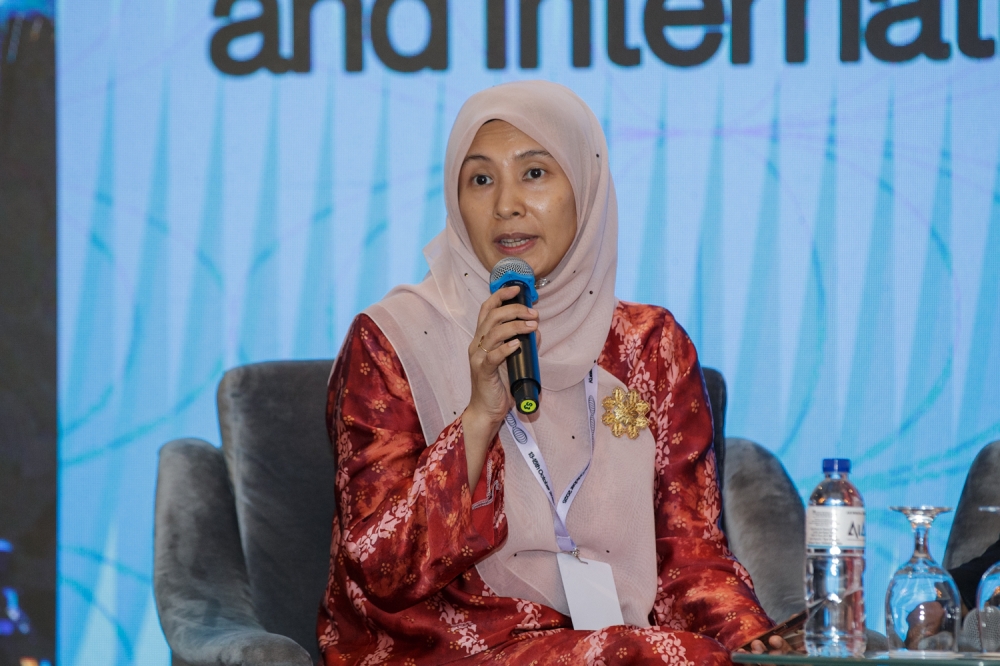
Nurul Izzah Anwar, the deputy president of Parti Keadilan Rakyat, has announced her decision to step down from the position to pursue advanced academic qualifications. The announcement, made on August 7 in Kuala Lumpur, represents a notable transition within the coalition's top ranks as the party navigates its evolving political landscape following recent electoral challenges and internal restructuring.
The move reflects a strategic recalibration within PKR's hierarchy, as the party confronts the complexities of maintaining cohesion and relevance in Malaysia's increasingly fragmented political environment. Nurul Izzah's departure from the deputy presidency creates a vacancy that will require PKR's leadership to identify suitable successors capable of bridging factional divides and strengthening party discipline at a critical juncture. Her decision to pursue further education signals a temporary withdrawal from high-profile partisan duties, though observers note that her intellectual credentials and advocacy background position her for potential future influence within the broader reform movement.
The timing of her resignation carries implications for PKR's internal dynamics, particularly given the party's recent attempts to consolidate its support base following disappointing performances in key electoral contests. As one of the party's more prominent second-generation leaders, Nurul Izzah's step back provides space for other emerging figures to assume greater responsibility, potentially reshaping factional alignments that have characterised PKR's internal politics since the party's formation. Her absence from executive decision-making may allow younger party members opportunities to demonstrate leadership capabilities and establish their credentials for future advancement.
Nurul Izzah's career trajectory illustrates the evolving role of intellectual and activist voices within Malaysia's political establishment. Her background in social advocacy and human rights discourse had positioned her as a bridge between PKR's grassroots membership and its institutional leadership. The pursuit of postgraduate studies represents an investment in intellectual capital that could enhance her long-term effectiveness in policy advocacy, research, and thought leadership within the reform movement, irrespective of formal party position. Educational advancement has historically served as a pathway for Malaysian politicians to strengthen their credentials and expand their networks internationally.
The resignation occurs against a backdrop of broader challenges facing PKR's leadership structure. The party has grappled with maintaining unity amid competing ambitions, differing policy approaches, and the need to strengthen coalition partnerships. Nurul Izzah's decision to step aside may reflect pragmatic recognition that consolidated focus on academic pursuits allows for unencumbered intellectual development while avoiding the routine operational pressures of managing party machinery and mediating internal disputes. This approach contrasts with many political figures who maintain simultaneous engagement with both institutional and educational commitments.
For Malaysian political observers, the transition illustrates broader questions about the sustainability of combining high-level party administration with personal development objectives. The decision may resonate particularly among younger voters and professionals who increasingly expect political leaders to demonstrate commitment to continuous learning and intellectual growth. Nurul Izzah's choice prioritises substantive knowledge acquisition over the accumulation of formal titles, a positioning that could enhance her credibility among constituencies sceptical of careerism in politics.
The vacancy created by her departure establishes an opportunity for PKR to reinvigorate its leadership with fresh perspectives and consolidated energy. The party must identify candidates capable of managing party operations while maintaining coherence among diverse membership factions. The selection process for her successor will likely become a focal point for assessing PKR's strategic direction and its commitment to promoting diverse voices within its organisational hierarchy.
Regionally, Nurul Izzah's academic trajectory adds to a broader pattern of Southeast Asian political figures pursuing advanced study to strengthen their analytical frameworks and international standing. Her engagement with postgraduate education may facilitate connections with international academic networks, think tanks, and policy communities that could contribute to PKR's capacity for sophisticated policy development on regional and global issues.
The implications for PKR extend beyond immediate organisational adjustments. Nurul Izzah's temporary withdrawal from executive duties allows the party space to consolidate around core strategic priorities without the procedural demands of accommodating competing aspirations within the top leadership. Her eventual return, enriched by advanced education and potentially expanded networks, could position her as an influential voice in shaping the party's long-term intellectual direction and policy frameworks.
Ultimately, Nurul Izzah's decision reflects an assessment that dedicated engagement with academic pursuits serves the broader interests of both personal development and the reform movement's capacity for evidence-based policy advocacy. The transition demonstrates that Malaysian politics increasingly accommodates diverse career pathways, including temporary absences for substantive skill development, suggesting evolving expectations regarding the balance between formal political roles and continuous intellectual investment.

