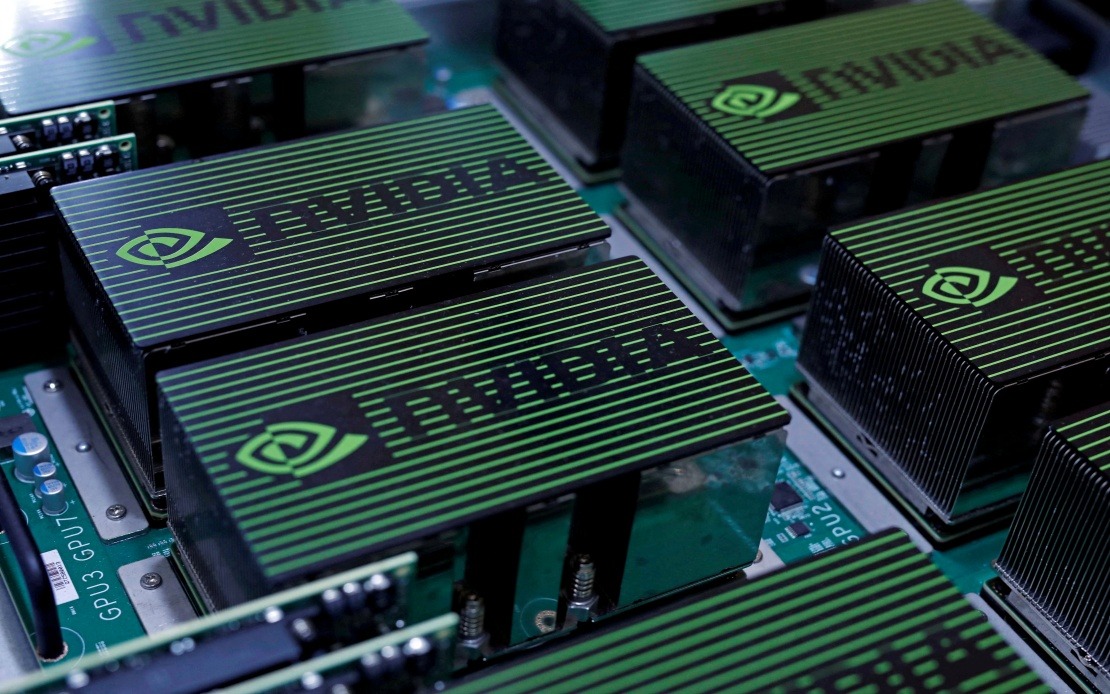
Nvidia, the American technology powerhouse that dominates the artificial intelligence chip market, has substantially shrunk its roster of authorized Asian buyers for its cutting-edge AI processors. The California-based chipmaker has more than halved the number of regional customers permitted to purchase its advanced semiconductors, a significant contraction driven by increasingly stringent United States export regulations designed to protect national security interests.
The company's revised customer vetting procedures now apply across three major Asian markets: Singapore, Malaysia, and Japan. These screening mechanisms, which have been progressively strengthened over recent months, represent a notable tightening of Nvidia's previously more permissive approach to regional sales. The updated approval process has created substantial disruption in the local technology ecosystem, with more than half of previously authorized purchasers finding themselves excluded from the new permitted customer list. However, companies that have lost their buying privileges retain the opportunity to address regulatory concerns and seek reinstatement through a reapplication process.
Among the hardest-hit category of businesses are the so-called neocloud providers—specialized cloud computing platforms that focus specifically on training and deploying artificial intelligence applications. These firms have emerged as significant players in Asia's rapidly expanding AI sector, offering infrastructure and services that allow organizations to develop and operate machine learning systems at scale. Their sudden loss of direct access to Nvidia's most powerful processors threatens to disrupt AI development timelines and increase costs for companies throughout the region seeking to build competitive AI capabilities.
The restriction reflects a broader geopolitical reality shaping technology trade across Asia. The United States government has grown increasingly concerned about a sophisticated transshipment problem: despite comprehensive export bans nominally preventing Nvidia's advanced chips from reaching mainland China, significant quantities have nevertheless found their way across the border through carefully orchestrated third-country channels. Intermediaries, re-exporters, and ostensibly independent companies located in Singapore, Malaysia, Japan, and other regional hubs have functioned as conduits, acquiring chips through legal channels and subsequently routing them toward Chinese buyers and end-users.
This enforcement challenge has generated mounting frustration within American policymaking circles. The Pentagon and the Commerce Department have determined that the existing regulatory framework contains loopholes substantial enough to undermine the strategic intent of the original export restrictions. Rather than simply accepting the limitations of document-based compliance systems, US authorities have pressured Nvidia to implement its own more aggressive due-diligence protocols—essentially deputizing the private company to serve as an enforcement agent for national security policy. The semiconductor manufacturer, facing potential legal jeopardy and regulatory sanctions if it fails to cooperate, has little practical alternative but to comply.
For Malaysia specifically, the implications warrant careful consideration. The country has positioned itself as a growing hub for semiconductor manufacturing and technology services, home to facilities operated by major multinational corporations. Nvidia's restrictive new policies could dampen foreign investment in Malaysian AI infrastructure development and slow the nation's ambitions to establish itself as a regional technology center. Companies considering Malaysia as a base for AI cloud services now face uncertainty about their ability to source the chips that constitute the core of their business model, potentially deterring expansion plans or pushing investments toward less restricted jurisdictions.
Singapore, already a leading financial and technology center, faces analogous challenges despite its status as a preferred investment destination. The city-state's numerous cloud providers and AI startups will need to navigate more demanding approval criteria, forcing them to demonstrate both technical legitimacy and clean supply-chain credentials. Japan, with its advanced technology sector and established relationships with American firms, may experience less disruption, though even Japanese companies face the reality that Nvidia's trust must now be earned through detailed documentation and scrutiny rather than assumed.
The broader pattern reflects a fundamental shift in how the United States intends to manage technology competition with China. Rather than relying solely on government-to-government enforcement mechanisms, Washington is increasingly leveraging private company power to create secondary enforcement layers. By requiring Nvidia to maintain discretionary control over customer access, US policymakers have effectively transformed a commercial enterprise into a regulatory checkpoints. This approach offers flexibility and responsiveness that bureaucratic government processes cannot match, but it also introduces unpredictability for legitimate regional businesses that suddenly find themselves subject to Nvidia's unilateral judgment about geopolitical risk.
The financial implications ripple across Southeast Asia's technology sector. Companies that previously could plan capital expenditures around reliable access to Nvidia chips now face budgeting uncertainty. Cloud service providers must either accept higher costs from authorized resellers, explore alternative semiconductor suppliers (though meaningful alternatives remain limited), or simply abandon certain AI service offerings. This constraint on supply creates artificial scarcity that benefits whoever retains approval, potentially consolidating market power among larger, better-resourced competitors with sophisticated government relations capabilities.
Looking forward, the situation points toward a more fragmented technological landscape across Asia. The region may increasingly divide into zones of differential access to advanced semiconductors, with some companies, countries, and jurisdictions receiving favorable treatment while others face deliberate restrictions. This balkanization could accelerate the creation of parallel technology ecosystems—Chinese companies developing their own chip alternatives, while less-favored Asian firms pursue either authorized Nvidia channels or alternative suppliers. The long-term competitiveness of Malaysia, Singapore, Japan, and other regional economies may depend partly on how successfully their governments and companies navigate this new reality of weaponized technology supply chains.

