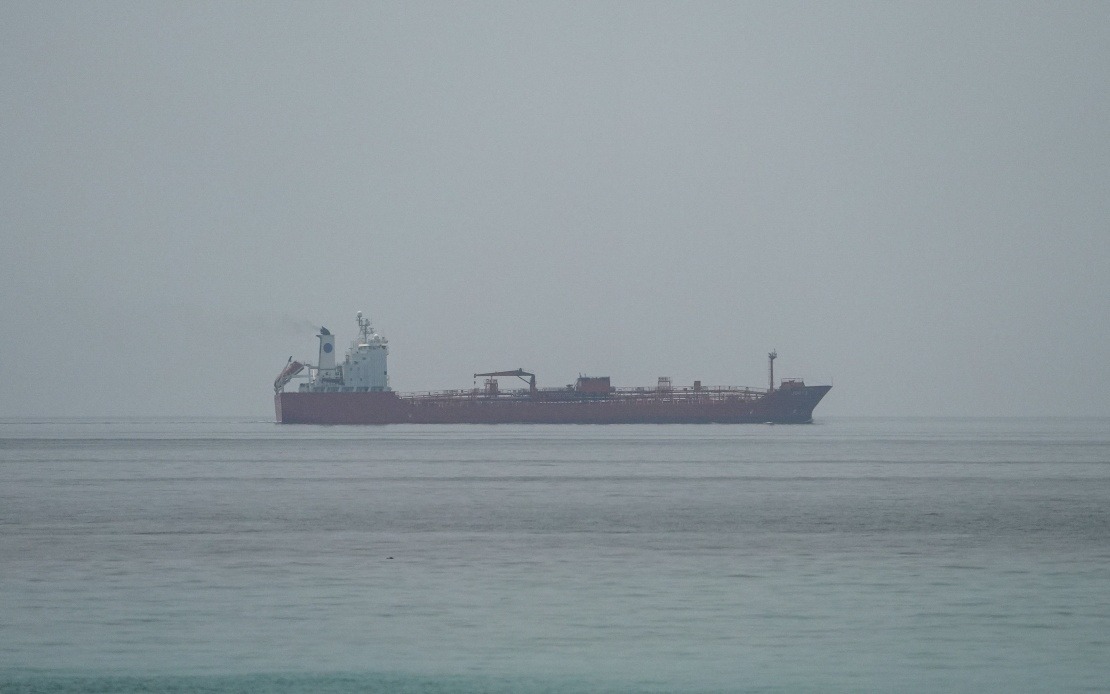
Oman has publicly endorsed the recent memorandum of understanding brokered between the United States and Iran, stressing the critical importance of the agreement's success in promoting regional peace and safeguarding maritime navigation through one of the world's most strategically vital waterways. Speaking at a joint ministerial gathering between the Gulf Cooperation Council and Washington held in Bahrain this week, Omani Foreign Minister Badr Albusaidi articulated his nation's backing for the accord and reaffirmed commitments to maintaining unobstructed shipping corridors.
The Sultanate's endorsement carries particular weight given Oman's geographical position as a nation bordering the Strait of Hormuz, making it a natural stakeholder in any regional security arrangement. Albusaidi emphasised that Muscat recognises its special obligations as a coastal state in supporting international initiatives designed to secure maritime pathways in conformity with established international law and the United Nations Convention on the Law of the Sea. This framing positions Oman as a responsible guardian of global commerce and demonstrates its alignment with international legal frameworks governing maritime activities.
Crucially, Albusaidi made explicit assurances that upcoming arrangements governing Hormuz transit would not impose charges on vessels passing through the strait. This declaration addresses longstanding anxieties among trading nations about potential fee structures that could disrupt global supply chains and increase costs for energy-dependent economies worldwide. By pledging transit fee exemptions, Oman signals confidence in the agreement's stability and its commitment to facilitating uninterrupted passage for international shipping.
The agreement in question represents a 14-point understanding that was electronically signed on June 18 by Iranian President Masoud Pezeshkian and United States President Donald Trump, following mediation efforts undertaken by Pakistan. The accord encompasses multiple dimensions of bilateral and regional concern, including provisions for ceasing hostilities across several conflict zones, reopening maritime access through the Hormuz Strait, and terminating the American naval blockade that has restricted Iranian maritime activities. These components collectively address some of the most contentious issues dividing Washington and Tehran in recent years.
The timing of Oman's public backing reflects heightened regional volatility that preceded the agreement's finalisation. Late February witnessed coordinated military strikes by the United States and Israel targeting Iranian positions, which subsequently prompted Iranian retaliatory operations against Israeli targets and facilities housing American military personnel across the wider Middle Eastern region. These escalations had raised fears of further deterioration in regional security dynamics and potential disruptions to critical sea lanes through which enormous quantities of global energy supplies transit daily.
The GCC and United States maintain established mechanisms for ongoing dialogue regarding regional security architecture, political coordination frameworks, and economic partnership opportunities. These regular consultations have grown increasingly significant amid evolving developments throughout West Asia, where competition among regional powers, proxy conflicts, and great power strategic interests create complex security environments. The ministerial session convened in Bahrain thus represents continuation of this diplomatic engagement in a period of substantial geopolitical flux.
For Malaysia and other Southeast Asian nations heavily dependent on energy imports and open sea lanes, the Oman-backed accord holds considerable significance. The Strait of Hormuz remains the critical chokepoint through which approximately one-fifth of global petroleum passes annually, making any disruption to its accessibility a matter of grave concern for trading nations across the region. Guarantees of fee-free transit aligned with international maritime law address persistent worries about potential economic disruptions stemming from unilateral transit restrictions or unexpected levies.
Oman's diplomatic positioning as a mediator and guarantor reflects its historical role as a pragmatic player in regional affairs. The country has long maintained relations with both Iran and the Western powers, giving it credibility as an honest broker in disputes. By publicly committing to free passage through Hormuz, Oman essentially places its own reputation behind the agreement's implementation, suggesting substantial confidence in its durability and mutual compliance.
The 14-point framework addresses interconnected regional conflicts, recognising that stability in one domain supports security across multiple fronts. By encompassing agreements on Lebanon and other conflict zones alongside maritime access questions, the understanding attempts to create comprehensive regional de-escalation rather than addressing isolated grievances. This holistic approach potentially offers broader benefits for international commerce and energy markets than narrowly focused agreements might achieve.
For Malaysian policymakers and business leaders, Oman's assurances about fee-free Hormuz transit provide some confidence about energy supply security going forward. However, the sustainability of such arrangements depends on sustained political commitment from all parties, ongoing verification mechanisms, and continued diplomatic engagement. The agreement's success will significantly influence whether regional tensions recede or whether underlying disputes resurface, with profound implications for shipping costs, energy prices, and regional stability throughout Asia-Pacific.
Longer-term implications of the Iran-US accord remain subject to various contingencies. Future developments in Israeli-Iranian relations, internal political dynamics within both countries, and actions by other regional players could affect implementation outcomes. Nevertheless, Oman's public endorsement and specific guarantee regarding Hormuz fees represent meaningful steps toward institutionalising maritime freedoms and reducing uncertainty surrounding one of global commerce's most critical arteries.

