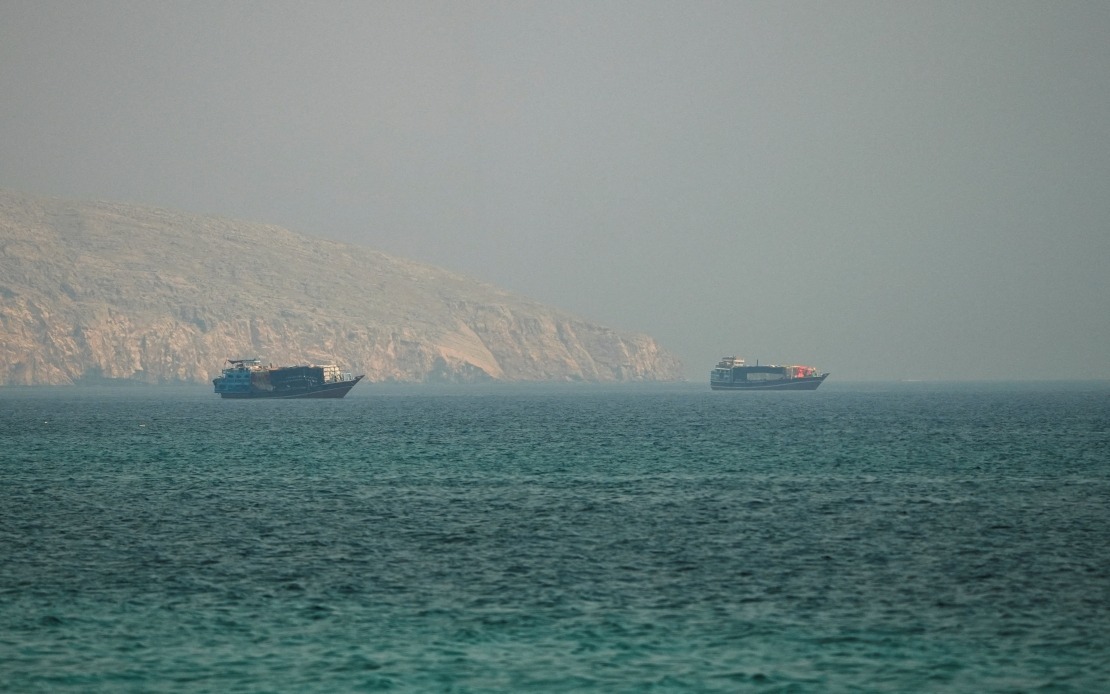
The Sultanate of Oman has firmly positioned itself against the imposition of compulsory transit charges on vessels navigating the strategically critical Strait of Hormuz, instead advocating for a framework built on voluntary contributions from shipping operators. An Omani delegation made this position clear during the 137th International Maritime Organisation Council session in London this week, signalling the country's nuanced approach to managing one of the world's most important maritime corridors at a time of rising tensions over shipping rights in the region.
Oman's stance carries particular weight given its geographical position astride the Strait, through which roughly one-third of globally traded oil passes each day. The nation's representative emphasised Oman's unwavering commitment to upholding the established principle of transit passage under international maritime law, a framework that guarantees vessels the right to move freely through international straits. This legal foundation has underpinned global shipping security and commercial certainty for decades, and Oman's reaffirmation reflects its role as a custodian of this critical principle.
The Omani position gained broader attention following reports that the sultanate had circulated a proposal to the United States and allied Western nations suggesting a voluntary fee structure for shipping companies using the waterway. According to international media accounts, this framework would allow operators to opt into paying service charges rather than facing legally mandated tolls, representing a middle path between maintaining free passage and generating revenue for improved maritime safety infrastructure. The proposal notably draws inspiration from existing successful models already operating in Southeast Asian waters, particularly arrangements seen in the Strait of Malacca and Singapore, which have long balanced commercial shipping interests with revenue generation for regional authorities.
The reference to Malacca Strait mechanisms holds particular resonance for Malaysian stakeholders and other Southeast Asian nations, as these waters share comparable challenges around congestion, safety, and the need for coordinated port state control and navigational support services. Oman's invocation of these precedents suggests potential receptiveness to arrangements that regional states have already pioneered, though adapting such models to the Persian Gulf's unique geopolitical complexities presents formidable obstacles.
Oman's commitment extends beyond its opposition to unilateral toll systems. The delegation restated the sultanate's determination to collaborate with the International Maritime Organisation, its fellow member states, and international partners to maintain secure and unobstructed maritime routes. This emphasis on collective responsibility and open communications reflects Oman's longstanding role as a regional diplomatic mediator and its vested interest in preventing escalation that could destabilise shipping flows through waters vital to Asian economies, particularly those of China, Japan, South Korea, and India.
The broader context involves competing positions now crystallising at international forums. The United Arab Emirates and a coalition of other nations have submitted formal proposals at the IMO condemning what they characterise as toll arrangements allegedly enforced by Iran on transiting vessels. These allegations have intensified concerns among maritime trading nations about compliance with international law and the potential for unilateral actions to disrupt global commerce. The pressure is mounting on established international maritime governance institutions to address grievances formally and prevent maritime disputes from escalating into broader regional confrontation.
Iran's response has emphasised its consultations with Oman regarding management protocols and coordination mechanisms for administering the waterway in accordance with international legal obligations and domestic regulations. Iranian officials maintain that these discussions remain active and constructive, suggesting at least some diplomatic engagement persists despite the publicised tensions. The involvement of Oman as an intermediary or consultation partner indicates the sultanate's recognised diplomatic standing in regional maritime governance.
The voluntary contribution model that Oman proposes could theoretically address legitimate concerns about cost recovery for navigational aids, maritime safety infrastructure, and port state control operations, which genuinely require funding. Many developing maritime nations and territorial waters administrators face chronic underfunding for such services. However, the voluntary nature of Oman's proposal introduces ambiguity about how sustainability and universal participation would be ensured, and whether shipping lines could unilaterally refuse contributions without consequence.
For Malaysia and other Southeast Asian nations with substantial maritime commerce, the situation in the Strait of Hormuz carries direct implications. Disruption to Middle Eastern oil supplies affects global energy prices and regional economies that depend on stable energy costs. Additionally, the Hormuz precedent could influence how other straits and strategic waterways are managed, with potential spillover effects on arrangements in the Malacca Strait itself. Southeast Asian states therefore have a stake in supporting stable, legally grounded mechanisms rather than ad hoc toll systems that could proliferate elsewhere.
Oman's diplomatic positioning reflects its historical role as a bridge between competing interests. The sultanate has traditionally maintained pragmatic relationships across the Gulf and internationally, and its current stance attempts to preserve this equilibrium while signalling respect for international maritime law. However, the enduring challenge lies in translating these principles into operational frameworks that all stakeholders can accept and that genuinely serve legitimate maritime governance objectives.
The IMO Council's current session runs through July 10 and will likely witness continued positioning and counter-proposals as nations stake out their interests. The outcome could influence how maritime governance evolves globally and whether voluntary mechanisms can substitute for compulsory regulatory frameworks. For regional observers, Oman's proposals suggest at least one major Gulf state is seeking negotiated solutions rather than escalatory postures, though meaningful progress will require movement from all parties involved in the dispute.

