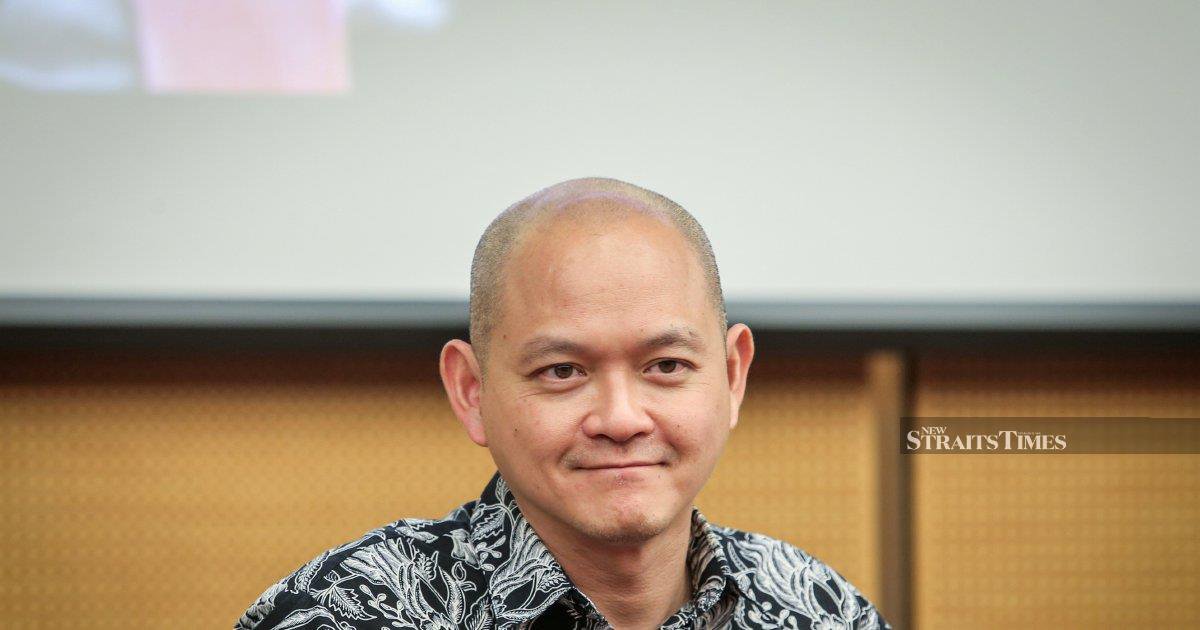
Dr Ong Kian Ming, who previously represented Bangi as a Member of Parliament, has formally announced his departure from the Democratic Action Party, signalling a significant shift in his political trajectory and heightening speculation about the nation's electoral landscape heading into the next general election.
The resignation represents a notable development in Malaysian politics, particularly as the country approaches what many observers anticipate will be a pivotal electoral contest. Ong's decision to step away from DAP, one of the country's most prominent opposition coalitions and a party he had been associated with during his tenure as Bangi MP, underscores the fluid and evolving nature of Malaysian political alignments.
Though limited details have emerged regarding the precise motivations behind his departure, Ong's subsequent move to assist Khairy Jamaluddin—a prominent United Malays National Organisation figure and former Minister of Youth and Sports—suggests a deliberate repositioning toward the ruling coalition's camp. This shift carries implications not only for Ong's personal political career but also for the broader dynamics within Malaysian politics, where defections and party movements can reshape electoral calculations at both national and constituency levels.
Ong's background as an academic and economist brought a technical perspective to DAP's parliamentary operations, where he had contributed to debates on economic policy and development issues. His departure removes one of the party's more intellectually prominent voices, which could potentially affect DAP's capacity to articulate sophisticated policy positions on complex economic matters in the parliamentary chamber and public discourse.
Khairy Jamaluddin has established himself as one of UMNO's more contemporary-minded figures, known for attempting to modernise the party's approach to governance and political messaging. By welcoming Ong into his orbit, Khairy appears to be building a team with stronger academic and technical credentials, possibly reflecting a strategic effort to enhance UMNO's policy-focused narrative in anticipation of the election campaign.
The timing of Ong's resignation carries particular significance. Malaysia's political environment has remained volatile following the 2022 general election and the subsequent formation of the unity government, which brought together previously competing political coalitions. This fluid context has created opportunities and incentives for political realignments, as various factions assess their positioning and prospects for the electoral cycle ahead.
From a regional perspective, such movements within Malaysia's political establishment often influence broader Southeast Asian politics. Malaysia's domestic political stability and the nature of its governing coalition can affect bilateral relationships, economic policy direction, and the country's approach to regional integration initiatives within the ASEAN framework. Transitions involving prominent political figures therefore warrant attention beyond Malaysia's borders.
Ong's decision also reflects ongoing debates within Malaysian opposition politics about coalition viability, electoral strategy, and the most effective pathways to political power. DAP, as the dominant Chinese-majority party in opposition, faces perpetual questions about its coalition partners and its broader appeal to Malaysian voters. The departure of an articulate, educated figure like Ong may prompt internal reflection within the party about its positioning and messaging strategies.
The move exemplifies how Malaysia's political parties continue to compete for talent, particularly individuals with professional credentials and public visibility. In a political system where educational attainment and economic expertise increasingly influence voter perceptions of party competence, retaining and attracting figures like Ong remains strategically valuable for any coalition.
As Malaysia prepares for what many anticipate will be a closely contested general election, such personnel movements warrant close monitoring. Ong's transition from opposition to coalition-aligned politics, and his collaboration with Khairy Jamaluddin, may foreshadow broader electoral strategies both camps are developing. The effectiveness of these political manoeuvres will ultimately depend on how Malaysian voters assess the competing visions and proposals presented by the different coalitions during the election campaign.
The episode also underscores the ongoing challenge for Malaysia's political system: maintaining stable party structures and coalitions while accommodating the ambitions and strategic calculations of individual political actors. How both DAP and the coalition respond to such developments will continue shaping Malaysia's political trajectory through the election cycle.

