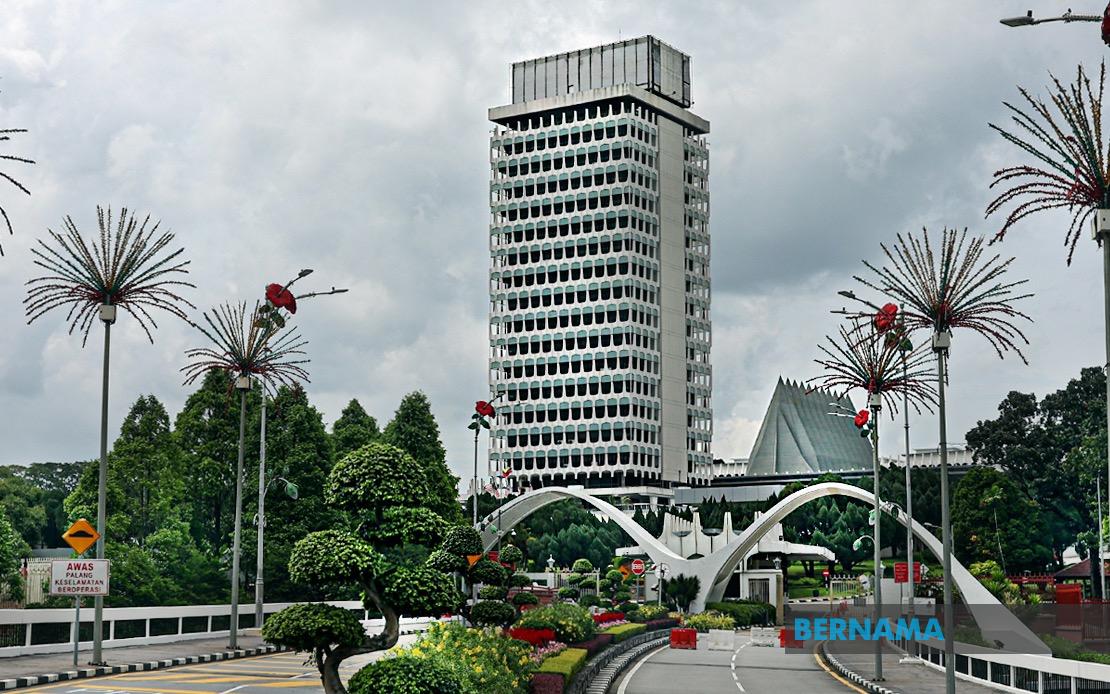
Parliament's inaugural week of the year proved modest in legislative output, with lawmakers approving a single bill addressing one of Malaysia's persistent transport enforcement challenges. The Road Transport (Amendment) Bill 2026, which received final passage during the first week of sitting from June 22, represents an attempt to tighten the legal framework governing dangerous driving activities on Malaysian roads.
Transport Minister Anthony Loke outlined the practical significance of the legislation, explaining that the new Section 42A provision fundamentally reshapes how authorities can respond to illegal street racing. Previously, enforcement officials faced substantial procedural obstacles, required to demonstrate that a racing incident had caused demonstrable danger or resulted in actual casualties before initiating action. This evidentiary burden created obvious difficulties for police attempting to deter racing before tragedy struck. The amendment closes what Loke described as a significant legal gap that had made proactive enforcement nearly impossible, enabling authorities to intervene at the earliest stages of illegal racing activity.
The legislative approach reflects a broader policy shift toward preventive law enforcement rather than reactive punishment. For Malaysian drivers and communities affected by dangerous driving, the change carries concrete implications. Authorities can now address illegal street racing as a standalone offense, establishing clearer deterrents without awaiting accidents that injure or kill innocent road users. This aligns with international best practices in traffic safety regulation, where many developed nations treat racing and dangerous driving as serious independent violations rather than secondary charges dependent on accident outcomes.
Looking ahead, Loke signalled the ministry's intention to expand road safety protections through additional legislative amendments scheduled for later in 2026. A forthcoming amendment to the Road Transport Act will introduce a compensation framework benefiting accident victims and their families when drivers under the influence of alcohol or drugs cause harm. This financial remedy mechanism operates alongside existing criminal penalties, creating a dual deterrent effect while providing meaningful restitution to those harmed by impaired driving. The approach acknowledges that criminal sentences and fines, while necessary, often fail to fully address the financial devastation inflicted on crash victims and bereaved families.
Not all pending legislation moved forward smoothly. The Prison (Amendment) Bill 2026, which would have authorised electronic monitoring systems and expanded volunteer prisoner rehabilitation programmes, encountered sufficient concerns to warrant postponement and recommittal to the Parliamentary Select Committee. This decision reflects Parliament's capacity for careful deliberation, though it also indicates potential disagreements regarding implementation details or constitutional implications of the proposed electronic surveillance mechanisms.
Four additional bills entered the legislative pipeline through first reading, establishing formal notice of future consideration. These include the Sexual Offences Against Children (Amendment) Act 2026, the Competition (Amendment) Bill 2026, the Competition Commission (Amendment) Bill 2026, and the Cybercrime Act 2026, which proposes comprehensive replacement of the Computer Crimes Act 1997. The cybercrime legislation particularly merits attention from Malaysian technology sectors and digital rights advocates, as wholesale legislative replacement typically signals substantial regulatory philosophy shifts in how the nation approaches cyber-offenses and digital security.
Parliamentary business extended beyond legislation into institutional matters affecting parliamentary operations. Speaker Tan Sri Johari Abdul confirmed that Larut MP Datuk Seri Hamzah Zainudin resumed his position as opposition leader effective June 18, marking a significant shift in parliamentary opposition dynamics. Simultaneously, two parliamentary vacancies emerged following the May 18 resignations of Datuk Seri Rafizi Ramli and Nik Nazmi Nik Ahmad from the Pandan and Setiawangsa seats respectively. The Election Commission has received formal notification of these vacancies, initiating procedures for eventual by-elections under constitutional requirements.
Minister's Question Time, traditionally allocated to Prime Minister Datuk Seri Anwar Ibrahim on Tuesdays and Thursdays, operated under modified arrangements as the Prime Minister addressed other state commitments. Relevant portfolio ministers instead fielded parliamentary questions, demonstrating institutional flexibility in managing parliamentary schedules around executive branch priorities. Parliamentary Select Committees also utilised sitting time for formal report presentations and debates, reinforcing Parliament's stated emphasis on strengthening committee oversight functions and legislative scrutiny.
Economic concerns dominated parliamentary discussions throughout the opening week, with particular focus on labour market disruptions. Human Resources Minister Datuk Seri R. Ramanan reported that 42,807 workers faced retrenchment between January and mid-June, with company closures and restructuring identified as principal drivers. This retrenchment pace, affecting over 40,000 workers in less than six months, signals underlying economic fragility that warrants serious policy attention. However, Economy Minister Akmal Nasrullah Mohd Nasir offered partially reassuring data, noting that job losses in June declined 20 percent from May levels and that overall labour force participation remained stable at 70.9 percent. These mixed signals suggest that while retrenchments have occurred, labour market deterioration may be stabilising, though the absolute numbers remain concerning.
Government investments in border security featured prominently in ministerial announcements. Home Minister Datuk Seri Saifuddin Nasution Ismail disclosed that RM22 million has been approved to equip the Malaysia Border Control and Protection Agency with firearms and operational equipment, acknowledging that sophisticated border management requires adequate resourcing. This allocation reflects Malaysia's geographic position as a maritime and land border nation managing substantial people and goods flows.
Energy and commodities policy discussions highlighted implementation challenges in sustainability transitions. The Ministry of Plantation and Commodities indicated it would assess the feasibility of introducing B50 biodiesel blending, a higher-concentration renewable fuel mixture, but flagged that existing infrastructure would require expensive modifications to accommodate the transition. This candid acknowledgement that renewable energy advancement entails substantial upfront costs demonstrates realistic policy-making, though it also illustrates how cost considerations can slow decarbonisation progress in developing economies.
Digital safety emerged as a critical parliamentary concern, particularly regarding child protection in online environments. Communications Minister Datuk Fahmi Fadzil detailed implementation of the Child Protection Code and Risk Mitigation Code, effective June 1, which mandate that social media platforms establish age-verification systems protecting younger digital users. Non-compliant platforms face penalties reaching RM10 million under the Online Safety Act 2025. This regulatory framework positions Malaysia within international trends toward platforming accountability, though debate continues regarding privacy implications and enforcement practicality of age-verification requirements.
The current parliamentary sitting extends through July 16, providing sixteen days for legislative business. The opening week's modest productivity, characterised by single-bill passage alongside multiple important policy discussions, establishes a deliberate pace that balances legislative progress against thorough parliamentary scrutiny.

