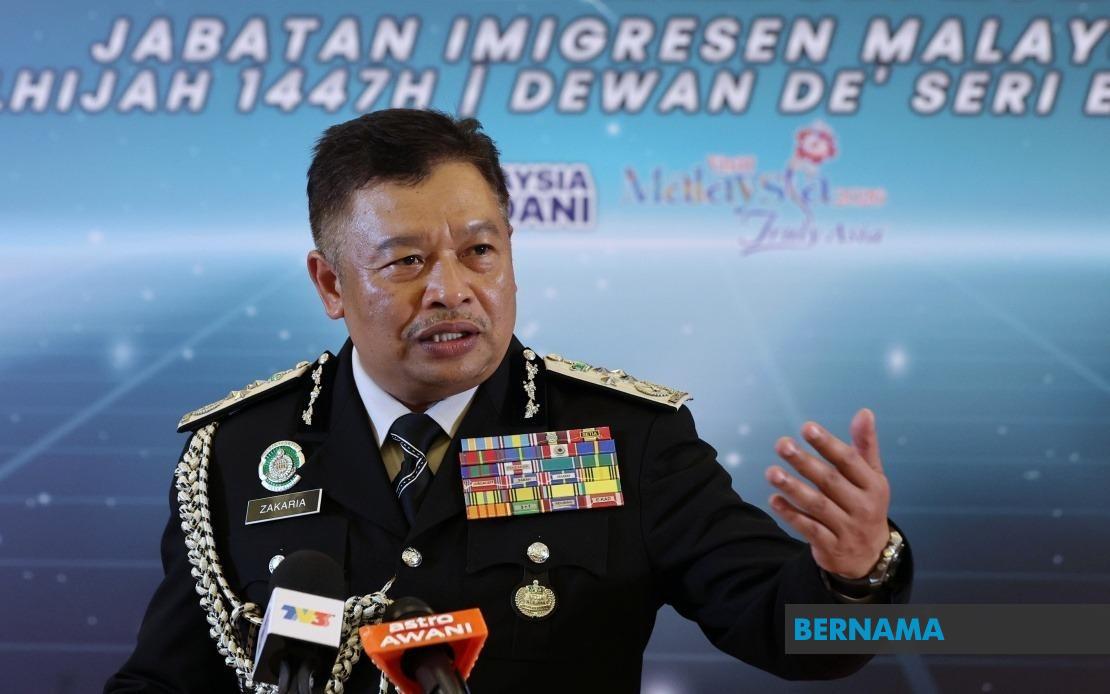
The Immigration Department has identified only two airlines experiencing technical difficulties when processing Malaysian passports with validity periods exceeding ten years, according to director-general Datuk Zakaria Shaaban. Speaking at a press conference in Putrajaya on August 13, he clarified that the matter represents a technical incompatibility between certain airline systems and extended passport validity, rather than any rejection by foreign nations of Malaysian travel documents themselves.
Zakaria emphasised that the department bears no responsibility for the airline system malfunctions, noting that these systems operate internationally and many other carriers process extended-validity Malaysian passports without incident. He acknowledged, however, that additional airlines might be experiencing similar issues without having formally reported their difficulties to the Immigration Department. The distinction is significant for Malaysian travellers, as it removes any suggestion that Malaysian passports face diplomatic or international acceptance problems.
The core issue centres on a recent policy modification affecting passport validity extension. Previously, the Immigration Department granted an additional six months of validity to Malaysian passport applicants whose existing documents still possessed more than six months of validity at the time of renewal. This practice meant that some citizens received passports valid for ten years and six months, providing better value by avoiding the waste of unused time on their expiring documents. The suspension announced on August 12 specifically targeted this extended validity provision, effectively capping new Malaysian passports at the standard ten-year maximum.
Zakaria made clear that the fundamental ten-year validity period for Malaysian International Passports continues unchanged and has never been discontinued. The suspension applies solely to the additional grace period previously granted to renewing applicants. This distinction is important for managing public expectations, as the vast majority of Malaysians will notice no difference in their passport issuance experience. Only those in the narrow category of recent renewal applicants would have benefited from the extended validity period.
The suspension emerged following consultation with the International Civil Aviation Organization (ICAO), suggesting that the technical issues may reflect inconsistencies between Malaysian passport specifications and international aviation system standards. The ICAO coordinates global civil aviation standards, and airline booking and check-in systems must comply with ICAO requirements. When Malaysian passports exceed the standard ten-year validity window, some older airline systems apparently cannot process this data correctly, creating practical difficulties for travellers at check-in or during online booking.
In response to concerns from citizens already issued passports with ten years and six months validity, the Immigration Department announced a free replacement programme. This gesture acknowledges the inconvenience and confusion that might arise if travellers encountered problems using these documents abroad. The proactive offer represents an attempt to manage the transition and prevent negative incidents that could damage confidence in Malaysian travel documents during international travel.
For Malaysian travellers, the immediate practical implications remain limited. Those holding recently renewed passports with ten-year validity face no complications, as all airlines process these without difficulty. Travellers carrying the extended validity passports issued before the suspension can continue using them, though they may occasionally encounter check-in delays if they encounter one of the two affected airlines. The free replacement programme provides an alternative if such situations prove problematic.
The broader context reveals ongoing technical challenges in harmonising national identity systems with global aviation infrastructure. Malaysia is not unique in facing such complications—multiple nations have experienced similar issues as they modernise passport specifications. The rapid advancement of document security features and digital systems sometimes creates temporary incompatibilities with legacy airline booking platforms that cannot be updated instantly across global networks.
For the travel and tourism sector, this development carries minor implications. Malaysia's international tourism industry and outbound traveller communities should experience no substantial disruption, as the affected airlines represent a tiny fraction of international carriers serving Malaysian routes. Domestic travel remains entirely unaffected, and most international carriers will continue processing Malaysian passports normally. Business travellers and frequent flyers are unlikely to face meaningful obstacles.
The Immigration Department's approach to transparency appears calibrated to prevent wider panic or speculation about Malaysian passport validity internationally. By promptly acknowledging the specific technical nature of the problem and limiting the suspension to the extended validity grace period, the department has contained the issue within a narrow scope. The commitment to resolving matters with the airlines and ICAO suggests this represents a temporary technical adjustment rather than a systemic concern.
Moving forward, the resolution timeline depends on technical discussions between the Immigration Department, the two affected airlines, and international aviation authorities. The airlines must either update their systems to accommodate extended passport validity or confirm that their platforms cannot support this feature. Should the latter prove true, the extended validity programme might not resume, representing a permanent policy change rather than temporary suspension.
For Malaysian citizens planning international travel, the practical advice remains straightforward: obtain or renew passports under current ten-year validity standards, as these face no processing difficulties globally. Those holding extended validity documents can continue using them with minimal risk. The situation illustrates how technical infrastructure challenges, while seemingly obscure to the travelling public, occasionally interrupt government services and require careful management to prevent unnecessary disruption to citizen convenience.

