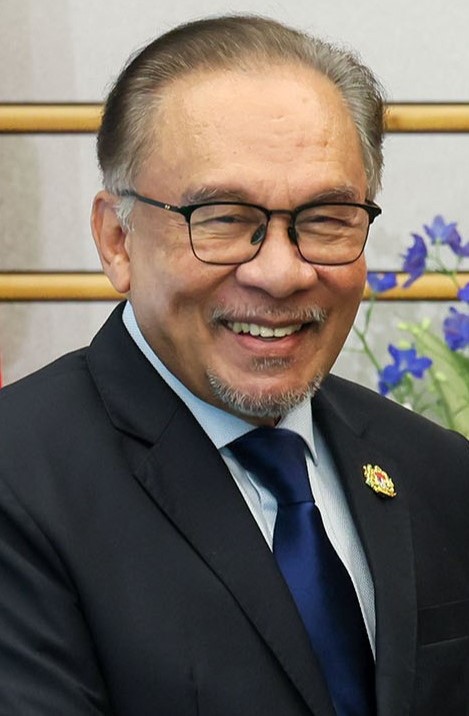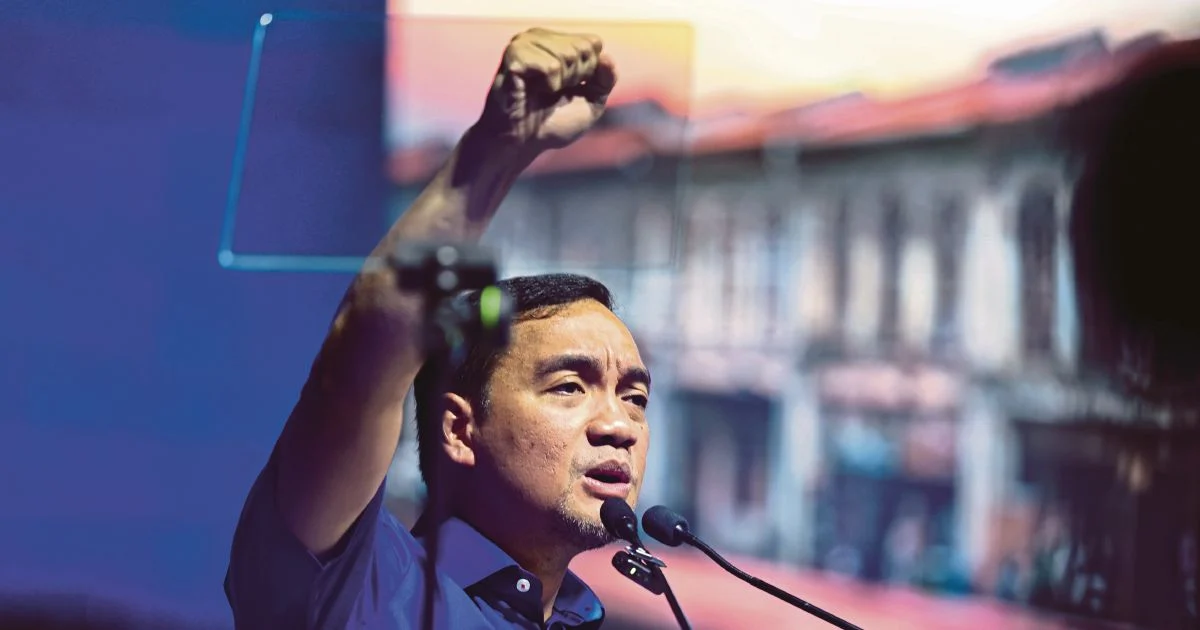
Caretaker Menteri Besar Datuk Onn Hafiz Ghazi has announced his intention to seek re-election in the Machap state constituency, cementing his position as the primary leadership contender ahead of Johor's upcoming election. The declaration represents a critical juncture in the state's political calendar, as voters prepare to determine whether the incumbent administration will secure another term or face a change in stewardship.
Machap, one of Johor's parliamentary constituencies located in the southern region of the state, has become central to the broader electoral contest. Onn Hafiz's decision to defend the seat underscores the strategic importance both his coalition and rival political forces place on maintaining or seizing control of constituencies perceived as crucial swing areas or strongholds. The Menteri Besar's move also suggests confidence in his political standing, despite the competitive environment that characterises Malaysian state-level politics.
The timing of Johor's election comes as Malaysian politics continues to experience significant realignments and coalition shifts. Since the 2022 general election, state-level contests have become barometers for national sentiment and indicators of factional dynamics within governing coalitions. Johor, Malaysia's southernmost peninsular state and home to nearly four million residents, represents a particularly significant battleground given its economic importance and demographic weight in any national political calculation.
Onn Hafiz's tenure as Menteri Besar has been marked by efforts to balance development initiatives with consolidating political support across the state's diverse constituencies. His retention of the caretaker role ahead of the formal election campaign indicates the confidence of his current coalition partners, though the precise timing and terms of the election remain subject to formal announcement. In Malaysian state politics, such pre-election positioning often reflects careful calculations about electoral momentum and strategic window-opening for campaigns.
The road to Machap contests typically involves intense local campaigning, as state seats represent the most direct link between elected representatives and grassroots constituencies. Voters in such contests frequently prioritise infrastructure development, local employment opportunities, and the resolution of longstanding community grievances. Onn Hafiz's previous tenure in Machap would provide him with an incumbency advantage, should he successfully convince constituents that his administration has delivered tangible benefits.
Opposition parties have already begun positioning themselves ahead of the formal election announcement. In recent Malaysian state elections, particularly those in Selangor, Penang, and Kedah, voter volatility has demonstrated that incumbency alone provides no guarantee of victory. The Machap electorate, like constituencies across Johor, may prove receptive to messaging around governance effectiveness, transparency, and economic opportunity—issues that have gained prominence in Malaysian political discourse.
Johor's electoral significance extends beyond state-level concerns. The state has historically served as a testing ground for coalition stability and strategic alliances. Control of Johor determines not merely the composition of the state legislature but also influences the patronage networks and resource distribution mechanisms that shape Malaysian federalism. For the federal government, maintaining strong governance at state level in economically significant territories remains crucial for both policy implementation and political legitimacy.
Onn Hafiz's track record includes efforts at administrative modernisation and infrastructure investment, though these achievements remain subject to differing voter interpretations. Some constituents may view such initiatives as evidence of effective stewardship, while others may prioritise alternative priorities or harbour concerns about spending patterns and project selection. The upcoming campaign will likely revolve around competing visions of Johor's development trajectory and the competence of alternative leadership options.
The election campaign itself will provide opportunities for opposition parties to articulate their alternative platforms. Whether through UMNO-led coalitions, DAP-led alternatives, or emerging smaller parties, competing visions for Johor's governance will be tested against voter preferences. Machap specifically, as Onn Hafiz's constituency, will become a focal point for national media attention and serve as an indicator of broader sentiment regarding his leadership and coalition performance.
For Malaysian observers and political analysts, Johor's election represents a significant data point in understanding how voter preferences have shifted since the last general election and what emerging patterns might indicate about future electoral behaviour. The outcome in Machap and other constituencies will inform calculations about coalition viability, leadership legitimacy, and the sustainability of existing political arrangements.
As the election campaign unfolds, attention will centre on whether Onn Hafiz can consolidate support among Machap voters and whether his administration's record resonates sufficiently with constituents to secure renewal of his mandate. The broader implications for Johor's governance and Malaysian federalism depend substantially on how comprehensively either incumbent or opposition forces succeed in converting campaign messaging into electoral outcomes across the state's contested constituencies.