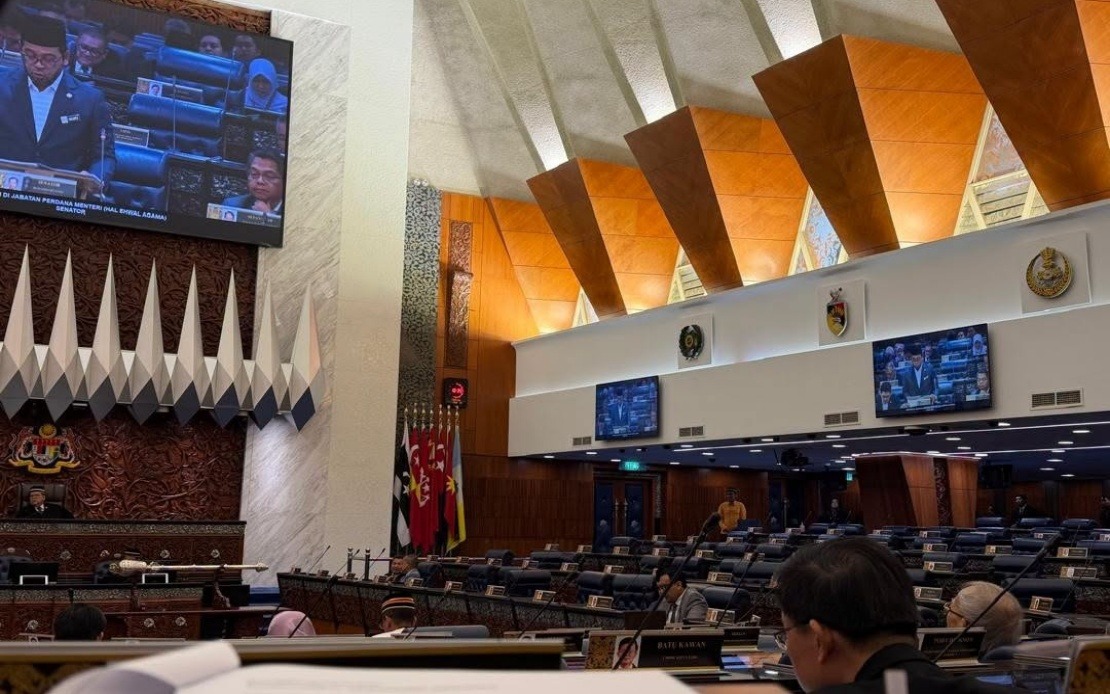
The decision by opposition parliamentarians to boycott a special sitting of the Dewan Rakyat has reignited tensions between the government and opposition benches over parliamentary procedure and accountability. Datuk Seri Dr Zaliha Mustafa, chairman of the MADANI Government Backbenchers Club, seized on the walkout to question the opposition's commitment to Muslim and Islamic interests, suggesting their departure from the chamber undermined their public rhetoric about transparency and institutional trust.
The confrontation centred on a ministerial briefing by Dr Zulkifli Hasan, Minister in the Prime Minister's Department for Religious Affairs, regarding findings from the Royal Commission of Inquiry into Lembaga Tabung Haji. The fund, which manages savings and pilgrimage arrangements for Malaysian Muslims, has faced scrutiny over its governance and financial stewardship. The RCI report represents a significant institutional examination of how the organisation manages depositors' funds—a matter with direct implications for millions of Malaysians.
Opposition MPs justified their boycott by objecting to Speaker Tan Sri Johari Abdul's decision to proceed with the session despite the absence of Prime Minister Datuk Seri Anwar Ibrahim and Deputy Prime Minister Datuk Seri Fadillah Yusof, both receiving medical treatment. Perikatan Nasional chief whip Datuk Seri Takiyuddin Hassan had formally proposed postponing the sitting, arguing that the presence of top executive leadership was essential for a matter of such magnitude. This procedural dispute reflects deeper disagreements about parliamentary norms and the circumstances under which sensitive governance reviews should be debated.
Dr Zaliha's Facebook response frames the walkout as a missed opportunity and potential political theatre. She argues that parliament provided the opposition with a platform to scrutinise, challenge, and rebut every finding in the RCI report—a function that represents parliament's core investigative role. By withdrawing, the opposition allegedly forfeited the chance to defend positions they considered unjust or to present alternative evidence and interpretations of the commission's conclusions.
The timing and substance of the dispute carry particular weight in Malaysia's political landscape. Tabung Haji serves as a major financial institution for the Muslim-majority population, and questions about its management touch on religious trust and institutional integrity. For opposition parties that have historically positioned themselves as defenders of Islamic interests, the walkout presents a vulnerability. Dr Zaliha pointedly asks whether the opposition's public statements about Islam, transparency, and Muslim welfare represent genuine commitment or performative politics disconnected from legislative action.
The government MP's critique extends beyond the immediate parliamentary incident to broader questions about opposition strategy and sincerity. She contends that substantive engagement—remaining in the chamber to cross-examine officials, present counter-arguments, and debate disputed findings—constitutes the authentic work of parliamentary opposition. Walking out, by contrast, suggests a preference for external political messaging over the unglamorous but essential task of institutional scrutiny and accountability.
This confrontation illustrates ongoing tensions within Malaysia's parliament regarding procedure, executive accountability, and the balance between form and substance. The opposition's position that the Prime Minister's presence was necessary reflects concerns about the gravity of the RCI findings and the need for the highest-level political engagement. However, it also raises questions about whether procedural objections can overshadow the substantive examination of matters affecting millions of citizens. Parliamentary practice in Westminster-derived systems typically allows for robust debate even when key figures are absent, provided there is ministerial representation and capacity to respond to questions.
For Malaysian voters concerned about institutional governance and financial accountability, the episode presents an uncomfortable ambiguity. The RCI report presumably contains findings that warrant detailed examination and, where appropriate, remedial action. Both government and opposition have an interest in demonstrating that parliamentary processes can effectively evaluate such reports and that institutions managing public money remain subject to democratic oversight. The walkout, whatever its motivations, arguably diminished public visibility of this scrutiny and reduced opportunities for opposition input into the parliamentary record.
The dispute also reflects broader regional patterns in Southeast Asian politics, where parliament's role as a venue for genuine accountability faces challenges from polarisation and strategic boycotts. Malaysia's experience demonstrates how procedural disputes can become vehicles for political positioning, with both sides claiming the mantle of accountability while engaging in tactics that potentially undermine it. The opposition's argument about executive presence may have merit; yet the government's counterargument about the need for substantive engagement in parliament also resonates.
Looking forward, the Tabung Haji controversy highlights the importance of building political norms that facilitate genuine parliamentary scrutiny of institutional governance. Whether through reformed procedures that accommodate legitimate absences or through opposition agreement to engage substantively despite procedural objections, Malaysian democracy benefits when parliament functions as a genuine forum for examining how institutions manage public trust and resources. The RCI report's recommendations presumably require implementation and monitoring, responsibilities that extend beyond the initial parliamentary presentation and demand ongoing legislative attention.

