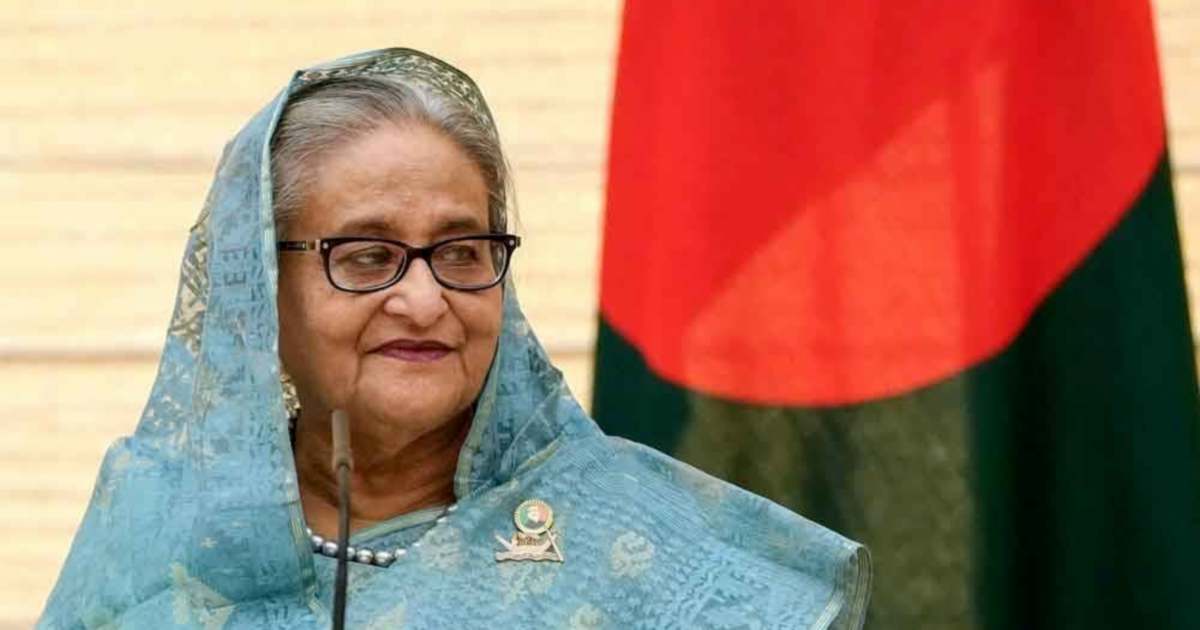
Sheikh Hasina, whose government fell amid mass protests earlier this year, has made an emphatic declaration of her determination to return to Bangladesh despite a capital conviction pronounced in her absence. The former premier's bold assertion represents a significant escalation in the political tensions that continue to roil the nation following her dramatic departure and the establishment of an interim administration led by Chief Adviser Muhammad Yunus.
The death sentence imposed against Hasina carries substantial symbolic weight within Bangladesh's fractious political landscape, yet she has chosen to treat it as legally hollow. Her characterization of the ruling as unconstitutional and illegally enacted reflects the broader dispute over judicial independence that has animated Bangladesh's recent political upheaval. The distinction between what she views as a legitimate legal process and what she terms a kangaroo proceeding illuminates the deep divisions between her Awami League faction and the interim authorities.
For Malaysian observers and regional analysts, Hasina's defiant posture signals that Bangladesh's political crisis remains far from resolution. The interim government, ostensibly temporary, faces growing pressure to demonstrate its credibility through institutional reforms and anti-corruption efforts. However, the existence of a death sentence against the principal opposition figure suggests the authorities are simultaneously preparing for a prolonged period without her political influence.
Hashina's decade-long tenure as prime minister ended abruptly in August 2024 following weeks of student-led demonstrations against her government's policies and alleged corruption. What began as protests concerning civil service recruitment evolved into a broader indictment of her administration's governance record, with allegations spanning from human rights violations to nepotism within state institutions. Her rapid flight from Dhaka represented an extraordinary moment in South Asian politics, with few precedents for such a dramatic government collapse in recent decades.
The interim administration, now six months into its mandate, confronts mounting expectations to accelerate constitutional reforms and establish timelines for democratic elections. International observers have emphasized the importance of transparent institutional change and the restoration of democratic processes. Yet the simultaneous pursuit of legal cases against Hasina and senior associates suggests the current authorities intend to use judicial mechanisms to entrench their political position rather than to create space for eventual democratic competition.
Southeast Asian governments monitoring the Bangladesh situation must consider the broader implications for regional stability. Bangladesh's importance as a counterweight to Indian regional dominance, coupled with its role as a major manufacturing economy and transit hub, means that prolonged political instability could reverberate across the entire region. Malaysia and other ASEAN nations have histories of navigating similar transitions between strongmen and interim governments, yet Bangladesh's particular configuration of civil society pressure, military guardianship, and international involvement presents novel challenges.
Hashina's invocation of constitutional violations in dismissing her conviction suggests she and her supporters believe they retain significant political capital among Bangladesh's urban middle class and working populations. The Awami League, despite its current eclipse, remains one of the nation's two major political formations and could mobilize substantial grassroots resistance should circumstances permit her return. However, security forces and interim authorities appear to have positioned themselves to prevent any triumphant homecoming that might undermine the current political settlement.
The timing of her statement—declaring an imminent return rather than indefinitely accepting exile—raises practical questions about how such a return could materialize without creating a constitutional crisis. If she physically re-enters Bangladesh territory, arrest appears virtually certain given the death sentence. An international negotiated arrangement, perhaps involving guarantees from regional powers or international bodies, could theoretically provide a pathway, yet no such mediation appears currently underway.
Bangladesh's interim administration faces a fundamental choice between using transitional periods to establish durable democratic institutions or consolidating power against potential rivals. Hasina's vow suggests she believes the current moment represents merely an interregnum in a prolonged struggle for political predominance. The decision by interim authorities to proceed with capital convictions despite her absence indicates they may harbor similarly long-term strategic calculations about the political future they wish to construct.
For Malaysia and other regional economies with significant investments in Bangladesh's manufacturing and port sectors, the persistence of political uncertainty creates genuine commercial risks. Supply chain disruptions, policy volatility, and security concerns could deter fresh foreign investment and complicate existing operations. The coming months will test whether the interim government can establish sufficient institutional stability to convince international partners of Bangladesh's reliability as an investment destination.
Hashina's defiance should be understood not merely as personal political theater but as an assertion that Bangladesh's political competition remains intensely competitive and fundamentally unresolved. Her conviction in absentia, rather than settling the political question, has arguably sharpened it by forcing her into a posture of principled resistance. Whether her predicted return materializes depends ultimately on whether circumstances permit her to challenge the current distribution of state power—a question that remains profoundly uncertain.

