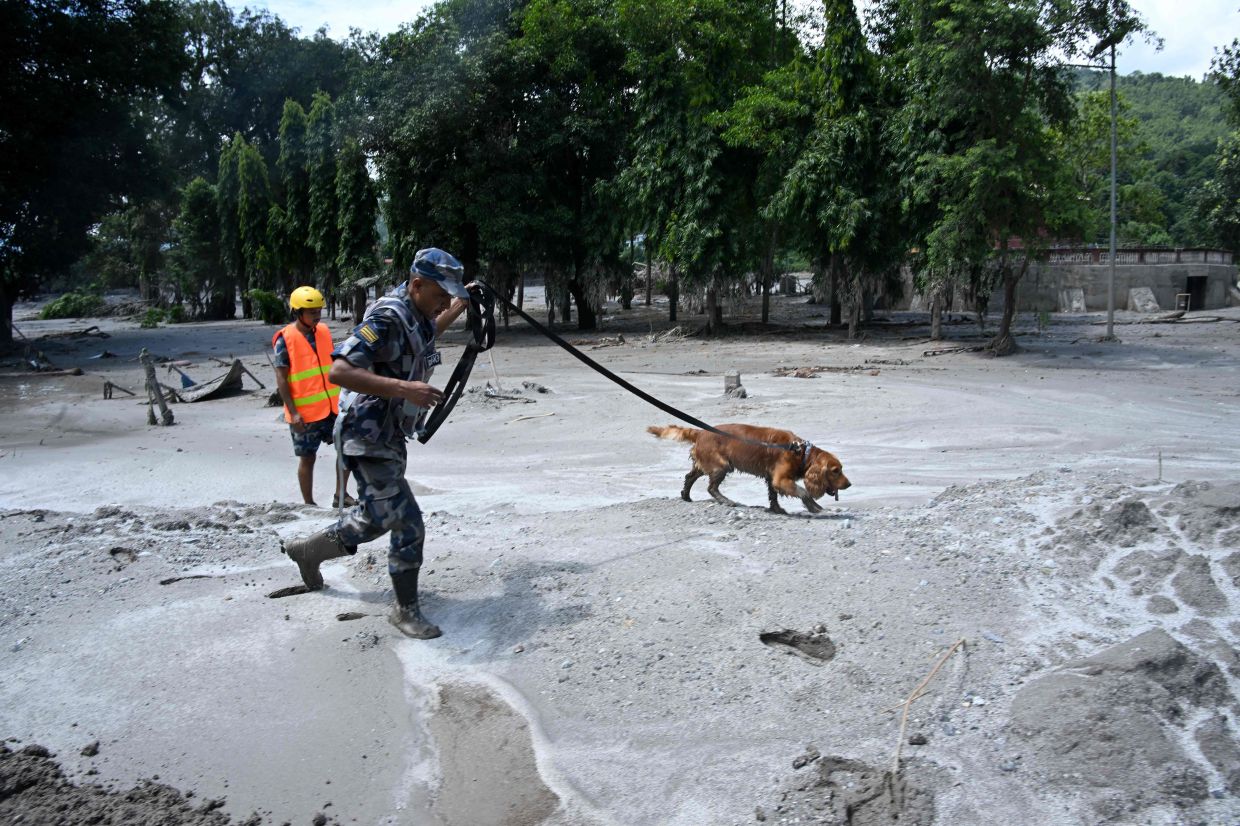
The Nepal-Tibet border region faces an unfolding humanitarian crisis following severe flash floods and landslides that have killed at least 392 people and left more than 1,400 unaccounted for. The scale of the catastrophe spans both the Nepali and Chinese sides of the mountainous frontier, with rescue operations ongoing amid challenging terrain and unpredictable weather conditions. The confirmed death toll may yet climb as recovery efforts continue and missing persons are accounted for, a pattern common in major disasters where initial figures require adjustment as information becomes clearer.
The search operation involves multiple jurisdictions and rapidly evolving casualty counts. Nepal's disaster management authority reported 910 people missing within its territory as of Thursday, August 27, with at least 517 of those being foreign nationals. Across the Tibetan side of the border, Chinese authorities recorded 558 missing persons, including 260 foreigners. Together, these figures represent approximately 1,468 people whose whereabouts remain unknown, though exact numbers continue to shift as searches progress and communication is restored in affected areas. The discrepancies between different agencies' tallies reflect the operational chaos inherent in major disaster response, where dual counting, identification delays, and incomplete information can cause significant fluctuations in reported figures.
The disaster has drawn international attention because of the substantial number of foreign travellers and tourists caught in the affected zone. Nepal's tourism authority identified 667 missing individuals classified as tourists and travellers, comprising both Nepali nationals and international visitors. This figure underscores the region's significance as a trekking and mountaineering destination, particularly during peak tourism seasons when the area attracts thousands of visitors from around the world. The challenge of accounting for visitors in remote mountain regions, where communication infrastructure is limited and many people trek without formal registration, compounds the difficulty in establishing precise casualty and missing person counts.
Malaysia is among the countries with significant numbers of nationals affected by the disaster. Prime Minister Anwar Ibrahim confirmed that more than 50 Malaysians in Nepal remain unreachable, with the tourism board documenting 51 missing persons. This marks one of the larger contingents of unaccounted individuals from Southeast Asia, reflecting the popularity of Nepal as a destination for Malaysian adventurers and trekkers. The Malaysian government has likely activated consular assistance protocols to identify and locate affected citizens, coordinate with local Nepali authorities, and provide support to families awaiting news from the disaster zone.
The United States has reported significant numbers of its citizens affected, with the State Department indicating 90 missing Americans, though three have been rescued and no confirmed fatalities among US nationals have been reported. The Nepal Tourism Board's separate count placed the figure at 65 American travellers unaccounted for, illustrating how different agencies track missing persons using varied methodologies and data sources. Canada reported similar challenges in establishing exact figures, with the foreign ministry citing awareness of 30 Canadians and permanent residents whose status remains uncertain, a higher number than the tourism board's initial count of 25, suggesting ongoing efforts to compile comprehensive lists as communications improve.
India has confirmed 178 nationals missing in the disaster, with eleven having been rescued to safety. The proximity of India to Nepal, combined with the substantial cross-border tourism traffic and business activities, explains the large number of Indian citizens affected. The United Kingdom reported 33 missing nationals, while Australia's count rose to 39 missing persons as of Friday when Foreign Minister Penny Wong released updated figures. These developed nations with significant travel volumes to Nepal have activated their respective embassy resources and diplomatic channels to assist in locating and supporting their citizens.
Ukraine's foreign ministry stated that 56 Ukrainians are categorized as out of contact, though importantly stressed that verified information indicates no Ukrainians among the confirmed injured or deceased. This distinction highlights the uncertainty surrounding the fate of missing persons and the vital importance of distinguishing between those genuinely unaccounted for and those who may have been inadvertently listed before communication was restored. South Korea's foreign ministry identified nine hydropower workers from the country who lost contact in the Rasuwa district, an industrial workforce contingent affected alongside tourism sector visitors.
Other nations with significant missing person counts include New Zealand with five nationals unaccounted for, and France with four. Smaller contingents include nine Singaporeans, eight Germans, eight Russians of which two have been rescued, six South Africans, six Latvians, and five Japanese nationals. This broad international representation underscores the global dimensions of the disaster and the necessity for coordinated diplomatic responses and cross-border cooperation in rescue and recovery efforts. Regional nations like Singapore, with its geographic proximity and substantial travel connections to Nepal, will likely provide consular support to affected citizens alongside larger international partners.
The complexity of managing casualty figures in mountain disasters stems from several interconnected factors. Dual nationals may be counted by multiple countries, creating apparent discrepancies. Bodies require identification before formal confirmation, a process complicated by terrain damage and resource constraints. Communication blackouts in remote areas mean some missing persons may subsequently emerge alive once connectivity is restored. Additionally, adventurers trekking in the region often lack formal registration with authorities, making precise accounting nearly impossible in real time. The Nepal Tourism Board and government agencies have recognized these challenges, explaining that figures will likely fluctuate as verification processes advance and rescue teams access previously unreachable areas.
The disaster's impact on Nepal's tourism sector carries broader economic implications for the nation and the region. The affected zone represents critical trekking infrastructure and mountain tourism routes that generate substantial revenue and employment. Recovery efforts must balance immediate life-saving operations with eventual restoration of tourism facilities, suggesting extended disruption to a sector vital for Nepal's economy. For Malaysia and other Southeast Asian nations with citizens affected, the incident reinforces the importance of travel insurance, consular coordination mechanisms, and disaster preparedness among outbound tourism populations increasingly drawn to challenging mountain environments across the region.

