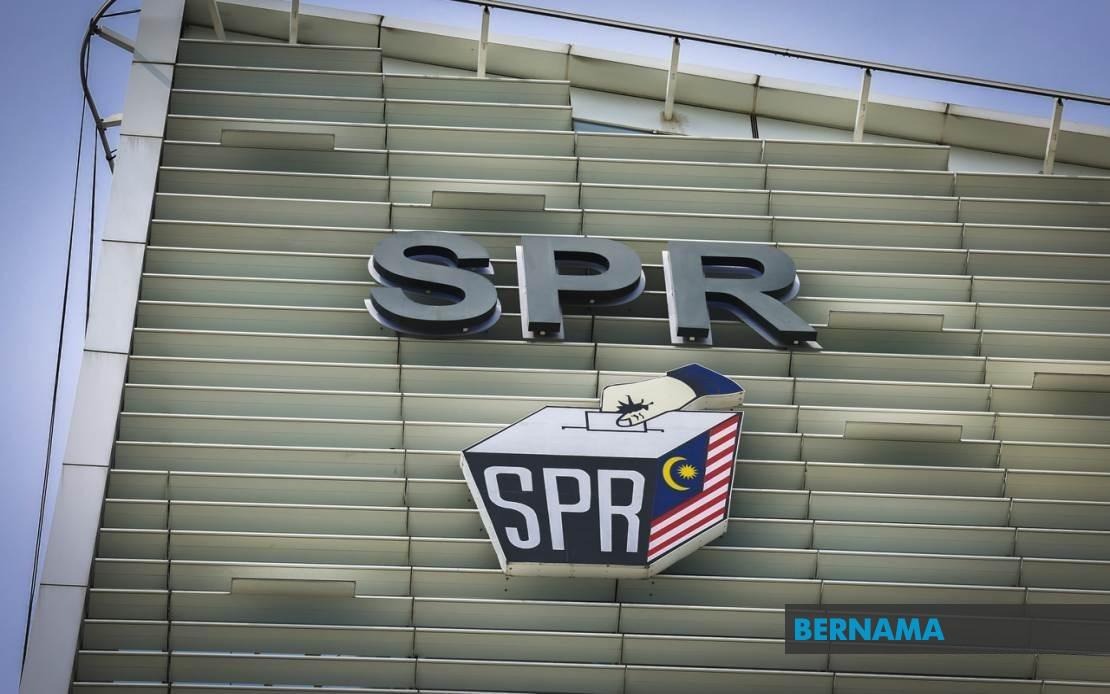
The Election Commission has commenced distribution of postal ballot papers for the 16th Negeri Sembilan state election, with 13,263 ballots handed out to qualified voters in accordance with established electoral regulations. The exercise, overseen by EC secretary Datuk Khairul Shahril Idrus, represents a critical phase in the electoral process and ensures that citizens unable to vote on polling day can still participate in the democratic exercise.
The postal voting mechanism operates under the Elections (Postal Voting) Regulations 2003 and addresses the practical reality that many eligible voters—particularly those in essential services and abroad—cannot present themselves physically at polling stations. This framework has become an integral feature of Malaysia's electoral administration, reflecting both practical necessity and the commitment to inclusive democratic participation across diverse voter populations.
The bulk of distributed ballots, numbering 12,669, were issued under Form 1A designation to election officials, EC members and officers, police personnel, military personnel, and media practitioners. This category encompasses individuals directly involved in managing the electoral process itself, alongside those whose professional duties on polling day prevent them from voting conventionally. Their participation through postal voting ensures that the machinery of elections remains adequately staffed while preserving their democratic rights.
A separate allocation of 343 postal ballots reached Malaysians residing overseas under Form 1B provisions. These voters, dispersed across various countries, would face insurmountable logistical challenges if required to return to Malaysia to cast their votes. The provision acknowledges that Malaysia's diaspora communities maintain stakes in domestic political outcomes, and extending voting access strengthens the legitimacy of election results by broadening the electoral base.
Additionally, 251 ballots were distributed under Form 1C to officers from eleven agencies spanning security and health sectors. This category recognises that pandemic-related contingencies and ongoing public health protocols necessitate flexible voting arrangements for frontline personnel whose presence at their posts cannot be compromised. The specificity of sector coverage reflects lessons learned from recent electoral cycles and demonstrates institutional adaptability.
All ballot distribution occurred transparently, with representatives from contesting parties and independent candidates present as observers. This transparency mechanism serves multiple purposes: it provides assurance that procedures are conducted fairly, reduces opportunities for irregularities, and builds confidence among contestants and the electorate that the electoral process operates with integrity. Such observer arrangements have become standard practice in Malaysian elections and reflect democratic best practices.
The EC has emphasised that postal voters must complete their ballot papers and accompanying Identity Declaration Forms with precision and completeness. These forms constitute the legal record of voting intentions and must satisfy stringent administrative requirements. Errors or omissions can render votes invalid, making voter education a crucial component of postal voting administration. The EC's reminders underscore this responsibility, particularly among categories of voters who may participate infrequently through postal channels.
Crucially, all completed postal ballots must reach the designated returning officers by 5 pm on polling day—August 1—establishing a firm deadline for ballot submission. This timeframe balances the need for voter convenience against the necessity of finalising the voting roll before counting commences. The deadline also prevents disputes over ballot receipt timing and ensures that all votes are counted within the same polling period as in-person votes.
The EC has also reiterated voter obligations regarding ballot secrecy, specifically warning against photographing postal ballots or circulating such images on social media platforms. This guidance responds to contemporary challenges posed by digital technology, where voters might inadvertently compromise ballot integrity through seemingly innocent image-sharing. Maintaining voting secrecy protects voters from coercion or pressure and upholds the principle that votes cast should reflect genuine voter preferences rather than external influence.
The overall electoral landscape in Negeri Sembilan encompasses 103 candidates vying for 36 state assembly seats, with early voting scheduled for July 28 prior to the main polling day. This competitive field suggests contested races across multiple constituencies, indicating active political engagement at the state level. The availability of early voting options provides additional flexibility for voters managing schedule constraints.
Negeri Sembilan's electoral roll, last updated on June 4, 2026, comprises 889,490 registered voters. This electorate divides into 867,151 ordinary voters constituting the bulk of the electoral base, alongside 16,884 military personnel and their spouses registered as early voters, and 5,455 police personnel similarly eligible for early voting arrangements. The voter distribution reflects the state's demographic composition and the substantial presence of uniformed personnel populations requiring special voting provisions.
The postal voting distribution represents one element in a broader electoral administration framework designed to accommodate Malaysia's diverse voter circumstances while maintaining procedural integrity. As election season intensifies ahead of August 1, the successful processing of postal ballots will significantly influence overall voter turnout and electoral legitimacy. For Malaysian observers tracking state-level political developments, the Negeri Sembilan election offers insights into evolving electoral dynamics and voter participation patterns across the peninsula.

