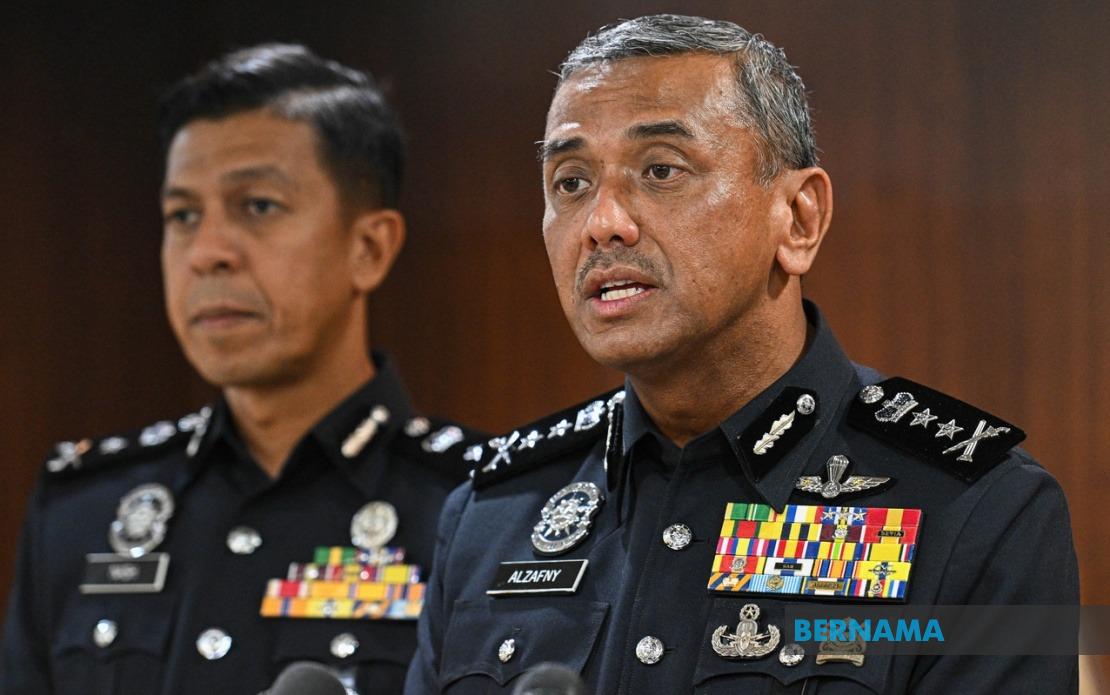
Over 22,000 members of the Royal Malaysia Police (PDRM) and Malaysian Armed Forces (ATM) across Negeri Sembilan, together with their spouses, are preparing to vote in the 16th state election through an early voting mechanism scheduled for July 28. The substantial turnout reflects the operational requirements of maintaining public order during the electoral campaign period, which demands that security personnel be available for deployment rather than absent on polling day.
According to Negeri Sembilan police chief Datuk Alzafny Ahmad, the cohort breaks down into 5,455 PDRM officers and personnel, with the remainder of the 22,339 total comprising 16,884 ATM personnel and their family members who have secured early voting eligibility. This arrangement has become standard practice in Malaysian state and federal elections, allowing uniformed services to participate in the democratic process while maintaining their operational readiness throughout the election schedule.
The security apparatus will be substantially mobilised across multiple phases of the electoral cycle. During the early voting day itself, 1,796 officers and personnel will be distributed across all voting zones to maintain order and ensure the integrity of the process. This deployment reflects the seriousness with which election authorities approach the conduct of voting, particularly when dealing with large, concentrated groups of voters.
The security footprint will expand progressively as the election draws nearer. Nomination day this past Saturday required 2,393 personnel on duty, a figure reflecting heightened vigilance during the crucial period when candidates formally register their candidacy. Throughout the campaign period proper, a sustained presence of 1,685 personnel will monitor electoral conduct and respond to any incidents that threaten the integrity of the process. By polling day on August 1, the deployment will peak at 4,788 personnel stationed across all polling locations.
Datuk Alzafny used the occasion to communicate clear expectations regarding candidate and supporter conduct throughout the campaign phase. Political parties are being explicitly reminded that their supporters must remain disciplined and controlled, with any lapses in behaviour potentially jeopardising not only the election's smooth operation but the broader social harmony that Malaysian electoral systems depend upon. The message underscores the perception, shared by security authorities, that electoral periods require heightened attention to maintain public order.
The police chief outlined specific prohibited conducts that will be monitored throughout the campaign. Political parties and candidates must refrain from any form of provocation toward rival candidates or supporters, unauthorised processions that bypass proper notification procedures, deliberate dissemination of false information designed to mislead voters, slanderous attacks on opponents, and hate speech targeting ethnic or religious communities. This framework aims to maintain electoral competition within acceptable bounds while preventing campaigns from deteriorating into social conflict.
Of particular sensitivity is the police emphasis on what they term the "3R" issues—religion, race, and the Royal Institution. Political speeches, campaign materials, media statements, and especially social media content will be scrutinised to ensure no commentary transgresses established norms around these subjects. This reflects Malaysia's constitutional sensitivity regarding these domains and the police's determination to prevent electoral campaigns from becoming vehicles for communal tensions.
Beyond the campaign period itself, authorities are emphasising that all candidates, their supporters, and the general public must demonstrate political maturity in accepting the official election results once announced. Should any party wish to contest the legitimacy of results or allege irregularities, they are directed toward established legal channels and election dispute mechanisms rather than street-level protests or confrontational actions. This guidance attempts to normalise the idea that electoral disappointment can be channelled through institutional processes rather than extraconstitutional avenues.
The Negeri Sembilan state election timeline adheres to the schedule established by the Election Commission, with nomination day having concluded, early voting occurring on July 28, and the main polling day set for August 1. This compressed schedule—spanning roughly two weeks from nomination to final results—has become standard for state elections in Malaysia, though it creates intense periods of security deployment and logistical coordination.
The scale of early voting for uniformed services reveals the size of Malaysia's security establishment in a single state and highlights operational challenges posed by elections. When thousands of police and military personnel are entitled to vote, their absence from regular duties must be compensated through enhanced deployments during the electoral process itself. This circular dynamic—using security forces to enable security forces to vote—illustrates the institutional coordination required to balance democratic participation with public order maintenance.
For broader Malaysia, the Negeri Sembilan election carries implications as a mid-term assessment of ruling coalitions at state level and potentially a bellwether for national political momentum. Police emphasis on maintaining electoral integrity and preventing communal tensions reflects broader anxieties about Malaysia's political environment, particularly given recent years' competitive intensity. The stringent conduct guidelines represent an attempt to channel political competition into orderly processes while preventing electoral disputes from escalating into social disorder.

