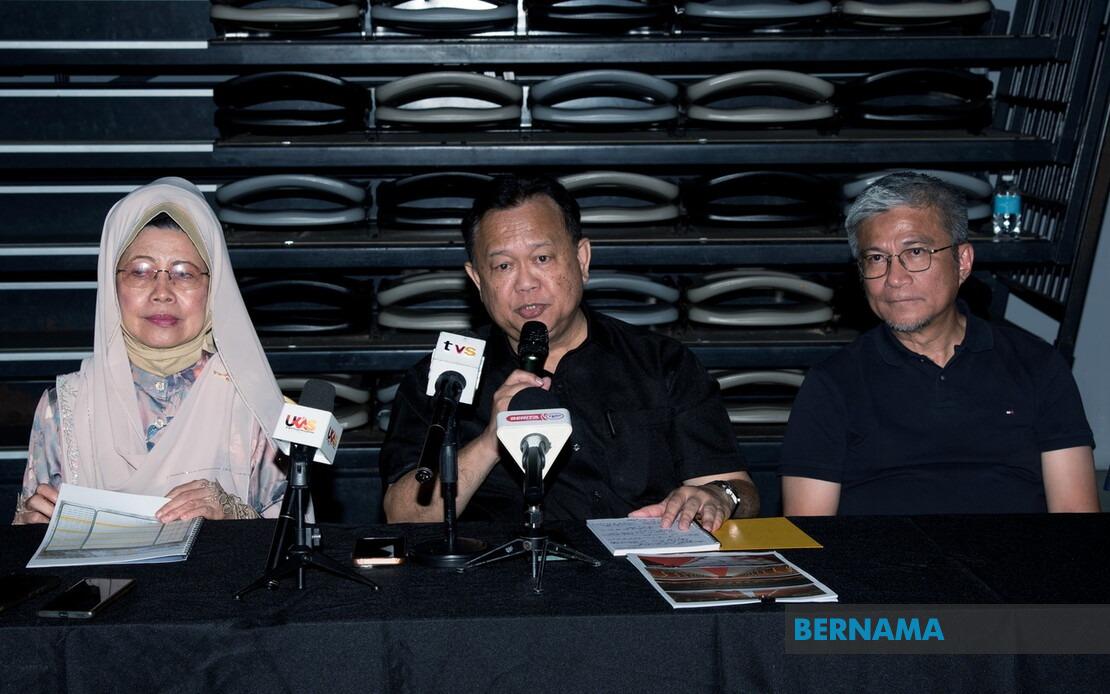
The Parti Pesaka Bumiputera Bersatu Sarawak will convene more than 3,000 party delegates from 24 branches for its 2026 Central Zone Special Convention at the Sibu Indoor Stadium on July 26, marking the opening salvo of the ruling Sarawak party's regional grassroots engagement ahead of the next general election cycle. The gathering represents a significant mobilisation of PBB's organisational machinery in the state's central region, reflecting the party's emphasis on reinforcing internal party cohesion and strategic messaging among its membership base.
Datek Seri Alexander Nanta Linggi, the party's secretary-general, outlined the preparatory work being undertaken to ensure the convention proceeds without logistical complications. He disclosed that the central zone will lead the sequential rollout of special conventions across Sarawak's different zones this year, with the southern, Betong, and northern zones scheduled to follow in subsequent months. This phased approach suggests a calculated strategy to disseminate party narratives and policy positions across the state's diverse constituencies whilst managing the administrative demands of coordinating large-scale delegate assemblies.
The organising committee met in Sibu to synchronise the numerous moving parts involved in hosting such a substantial gathering. These meetings typically address venue arrangements, delegate accreditation procedures, security protocols, and the sequencing of speeches and presentations. The existence of a dedicated organising committee underscores the party's professional approach to internal communications and the significance attached to this convention within PBB's broader political calendar.
Central to the convention's agenda will be a comprehensive presentation examining the Malaysia Agreement 1963, commonly referenced as MA63, a foundational constitutional instrument governing Sarawak's relationship with the federal government. For Malaysian observers, particularly those in Sarawak and Sabah, discussions around MA63 carry considerable weight, as the agreement remains a focal point in debates about state autonomy, resource rights, and the balance of power between Kuala Lumpur and state capitals. By dedicating platform time to MA63 exposition, PBB signals its commitment to keeping this constitutional framework at the forefront of party discourse and public consciousness.
Equally prominent in the convention's programme will be presentations addressing the Post COVID-19 Development Strategy 2030, referred to as PCDS 2030. This strategic framework addresses how Sarawak and Malaysia more broadly intend to recalibrate economic priorities, infrastructure investment, and social resilience following the pandemic's disruptions. The inclusion of PCDS 2030 discussions reflects PBB's positioning as a forward-looking party concerned with long-term economic planning and development trajectories across the state, matters of considerable relevance to delegates representing diverse constituencies with varying developmental needs.
Beyond these substantive policy matters, the convention programme encompasses discussion of broader political issues without further elaboration in the announcements released. These unspecified agenda items may encompass matters ranging from intra-party governance and leadership considerations to positioning on national political developments and inter-party dynamics. The deliberate vagueness surrounding these additional topics sometimes indicates sensitive discussions reserved for the delegate chamber rather than public disclosure.
Sarawak Premier Tan Sri Abang Johari Tun Openg, who concurrently serves as PBB president, will formally inaugurate the convention and deliver a keynote address to assembled delegates. The dual roles occupied by Abang Johari exemplify the historical intertwining of PBB leadership with Sarawak's state administration, a pattern that has characterised Malaysian politics at the state level. His presence and remarks will carry particular significance given that premiership commands state executive authority whilst party presidency grants influence over internal party machinery and candidate selection processes.
For Malaysia's broader political landscape, this convention illustrates how major state-level parties continue investing in grassroots engagement and member activation. Whilst federal politics often dominates media attention, state-based parties like PBB maintain robust internal structures and regular conventions that keep members informed and energised. These gatherings serve multiple functions simultaneously: they disseminate party positions, allow rank-and-file members voice in party affairs, and provide platforms for potential leaders to establish credentials and visibility before larger audiences.
The scheduling of this convention in July 2026 aligns with the typical timeframe within which Malaysian political parties intensify preparation for general elections, which must occur by August 2028 at the latest. By convening delegates now to discuss foundational policy frameworks and constitutional arrangements, PBB demonstrates prudent political planning. The emphasis on MA63 and PCDS 2030 suggests the party is constructing a coherent narrative it intends to present to voters: a stewardship that simultaneously guards Sarawak's constitutional interests whilst advancing development ambitions.
From a Southeast Asian perspective, PBB's approach reflects broader patterns among regional ruling parties that employ conventions and large-scale delegate gatherings as mechanisms for maintaining party discipline and organisational coherence. The scale of the gathering—over 3,000 delegates from multiple branches—requires substantial logistical capacity, demonstrating resource allocation that underscores party organisational strength. For political observers tracking Sarawak's trajectories and the competitive dynamics within Malaysian federalism, such conventions offer windows into how established parties consolidate support and prepare for electoral competition.

