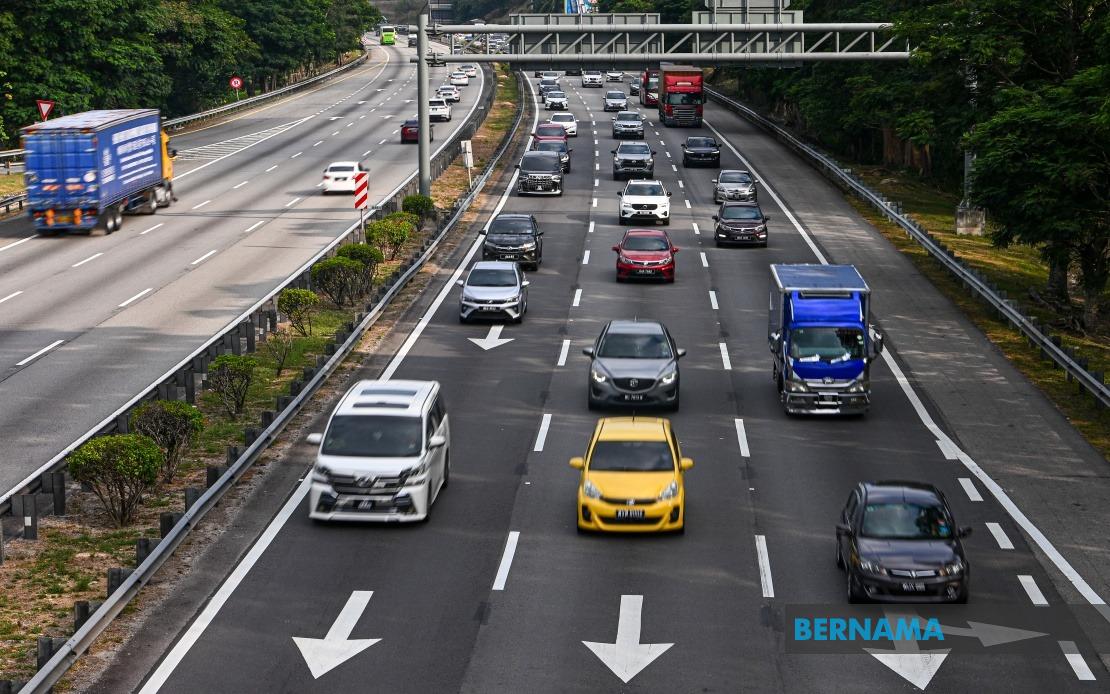
Johor's 16th state election on Saturday is set to trigger one of the busiest periods on the state's highway network, with the Malaysian Highway Authority projecting that more than 300,000 voters will make the journey home to their constituencies. The anticipated influx of travellers, many of whom will concentrate their movements in the days immediately preceding the poll, presents a significant logistical challenge for the state's transport infrastructure and has prompted authorities to activate measures designed to facilitate smoother traffic flow across key routes.
Datuk Seri Hasni Mohammad, chairman of the Malaysian Highway Authority, issued the advisory in recognition of the cyclical congestion that accompanies major electoral events in Johor. His statement underscores a perennial challenge facing the country's highway operators: the concentration of interprovincial travel around fixed political events overwhelms normal capacity, particularly on routes connecting the Klang Valley to southern Peninsular Malaysia. For voters based in major urban centres who maintain residential or family ties in Johor, the necessity to return home to exercise their franchise creates predictable but substantial pressure on the North-South Expressway and other principal arteries serving the state.
To mitigate disruption, the highway authority has taken the precautionary step of postponing routine maintenance and lane closure works scheduled for polling day itself, with the sole exception of critical emergency repairs that cannot be deferred. This operational adjustment reflects a deliberate prioritisation of voter mobility over scheduled infrastructure work. The decision acknowledges that even minor lane restrictions during peak travel periods could exacerbate delays and create dangerous bottlenecks, particularly in areas already prone to congestion during normal circumstances.
Motorrists are being encouraged to utilise the TuJu traffic management application when planning their journeys, a digital tool that provides real-time route optimisation and congestion alerts. This technology-based approach represents an evolution in how Malaysian authorities attempt to distribute traffic demand across available network capacity, moving beyond traditional advisory messaging toward empowering individual travellers with granular information. The authority has simultaneously reminded users to verify vehicle roadworthiness before undertaking long journeys, a basic safety precaution that assumes particular importance when road networks are operating at or above designed capacity.
Special attention has been drawn to the ongoing third-lane expansion project on the northbound North-South Expressway between Simpang Renggam and Senai, where temporary construction zones necessitate reduced speed limits and demand heightened driver vigilance. These roadworks, which represent longer-term capacity improvements for the corridor, create transient bottlenecks that could compound the temporary congestion arising from election-related travel. Drivers unfamiliar with the modified lane configuration face heightened accident risk, particularly given the elevated traffic volumes anticipated during the election period.
The highway authority has emphasised the importance of maintaining adequate balances in electronic payment systems, specifically Touch 'n Go accounts, e-wallets, and debit cards used for toll transactions. This practical reminder acknowledges the capacity constraints at toll plazas during peak travel periods; vehicles carrying insufficient payment capacity can create delays in transaction processing, particularly at manual toll windows. The availability of electronic payment options becomes especially critical when large volumes of vehicles converge on limited toll infrastructure simultaneously.
Compliance with smart lane activation protocols, which dynamically allocate lanes based on traffic flow patterns, has been identified as essential to maximising network efficiency during the election weekend. Smart lane systems reverse direction of travel or adjust lane availability in response to real-time demand, but they function effectively only when drivers respond promptly to electronic signage and instructions. The authority's emphasis on this point reflects experience with driver non-compliance in similar high-volume scenarios, where confusion or inattention to dynamic signage creates hazardous situations.
The highway authority has encouraged travellers to make use of rest and service areas and lay-bys strategically distributed along major routes, particularly for drivers undertaking lengthy journeys from urban centres. These facilities become especially valuable during periods of sustained heavy traffic, when the opportunity to take breaks contributes to accident prevention and driver fatigue mitigation. The advisory implicitly recognises that election-driven journeys often involve driving during unsociable hours or in rapid succession, compounding fatigue risks.
Real-time traffic information remains accessible through multiple channels, reflecting the authority's multi-platform approach to public communication. The official Facebook page and TikTok account @llmtrafik provide regular updates on incidents and congestion patterns, while a dedicated hotline at 1-800-88-7752 offers direct access to the Traffic Management Centre. The live CCTV feed available on the authority's website enables independent monitoring of conditions on major corridors, empowering travellers to make dynamic routing decisions based on observed conditions rather than static forecasts.
For Malaysian voters, particularly those geographically dispersed across the country, participating in state and federal elections routinely requires travel home to original constituencies where they remain registered. The Johor election exemplifies a broader structural feature of Malaysian electoral practice, whereby franchise rights remain tied to residential registration in constituencies, necessitating physical return for voting. This electoral arrangement creates predictable surge demand for transport infrastructure coinciding with election dates, a challenge that authorities have grappled with across multiple electoral cycles. The Malaysian Highway Authority's proactive measures reflect lessons learned from previous elections and represent ongoing efforts to balance democratic participation with public safety and transport efficiency.

