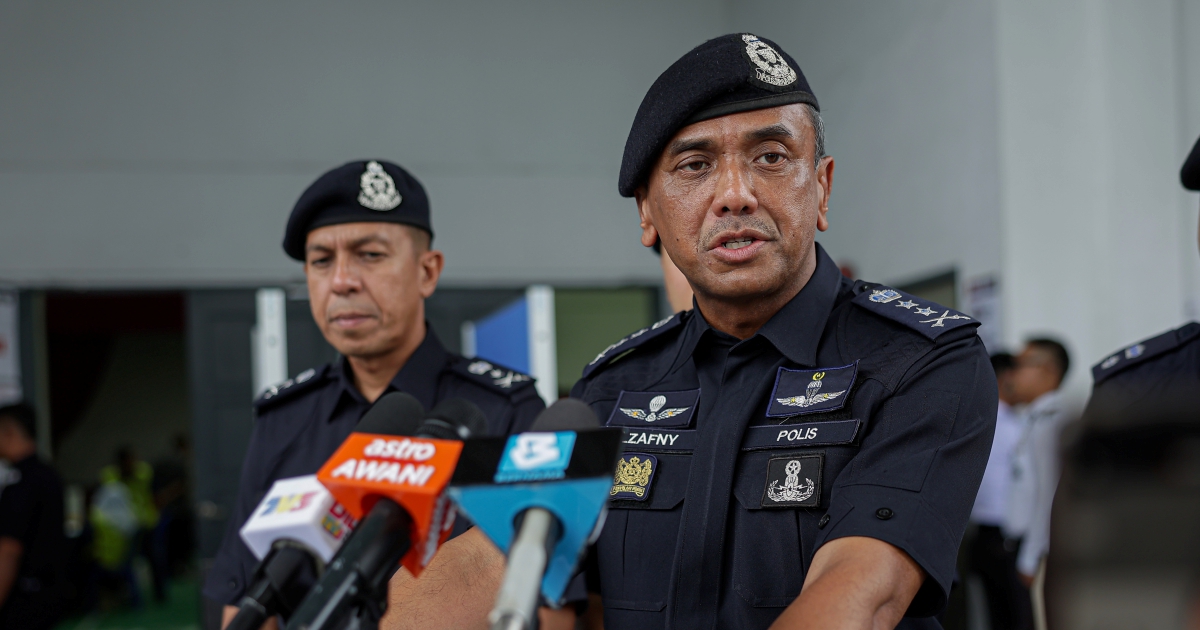
Authorities in Negeri Sembilan documented 87 separate complaints involving suspected breaches of electoral law during the campaign phase leading up to the state's 16th election, with law enforcement initiating formal investigations into 23 of those matters.
The complaints spanned the entire campaign period commencing on July 18, capturing the intensive weeks when political parties and candidates canvassed voters across the state. Election integrity concerns in state-level polls carry particular weight in Malaysian political life, as they often shape the trajectory of national politics and test the robustness of institutional safeguards. The Negeri Sembilan election represented a significant electoral event within the broader context of Malaysia's federal structure, where state contests periodically provide crucial tests of voter sentiment and party performance.
The decision to formally investigate roughly one quarter of the reported incidents reflects police methodology in distinguishing between complaints requiring deeper scrutiny and those resolved at the initial reporting stage. Investigation papers serve as formal documents opening criminal or administrative inquiries, signalling that sufficient prima facie evidence exists to warrant systematic examination. This proportionate approach helps authorities allocate investigative resources toward cases with the strongest substantiation.
Election offences encompass a wide spectrum of potential violations under Malaysia's electoral framework. Common allegations during campaign periods include unlawful election advertising, breaches of spending limits, distribution of prohibited campaign materials, intimidation of voters, and violations of rules governing political assembly and gathering. The range and nature of the 87 complaints filed during Negeri Sembilan's campaign season likely reflected this diversity of potential infractions.
The establishment of 23 investigation papers demonstrates that authorities identified sufficient grounds to proceed with formal examination in those cases. Each investigation paper typically triggers systematic evidence gathering, witness interviews, document analysis, and preliminary legal assessment to determine whether charges should ultimately be recommended. The investigative process serves both accountability and due process functions, ensuring that allegations receive proper scrutiny while protecting the rights of those accused.
From a regional perspective, Malaysia's handling of election-related complaints reflects broader Southeast Asian patterns where electoral integrity remains contested terrain. While some neighbouring democracies have experienced more severe institutional strains around elections, the Malaysian system's capacity to receive and process complaints—even in significant volume—demonstrates institutional receptiveness to oversight mechanisms. However, the ultimate impact of these investigations depends on enforcement outcomes and whether prosecutions, where warranted, proceed expeditiously and transparently.
The Negeri Sembilan election cycle occurred against Malaysia's broader political backdrop, characterised by intense competition between established coalitions and shifts in voter preferences. State elections frequently serve as testing grounds for campaign strategies and organisational capacity, making compliance with electoral regulations particularly significant. Parties mounting competitive campaigns in resource-rich environments face heightened scrutiny regarding their adherence to regulatory frameworks designed to ensure level playing fields.
The number of investigation papers opened—23 across an entire state campaign—suggests that while violations occurred, they remained within ranges that authorities could manage through established investigative procedures. Comparatively higher figures might have signalled systemic problems or institutional overwhelm, whereas substantially lower figures might have raised questions about complaint receptiveness. The intermediate level documented here suggests operational capacity and genuine complaint processing without indicating catastrophic compliance failures.
Moving forward, the resolution of these 23 investigations will carry implications beyond Negeri Sembilan. Successful prosecutions of electoral violations strengthen deterrence effects for future campaigns, as candidates and parties recognise that regulatory breaches carry genuine legal consequences. Conversely, if investigations conclude without charges or convictions, the deterrent effect diminishes and may even encourage future non-compliance. Malaysian voters and civil society organisations typically scrutinise these outcomes carefully, viewing election integrity as foundational to democratic legitimacy.
The investigation phase represents merely the beginning of accountability mechanisms. Formal charges, court proceedings, and ultimately convictions or acquittals will determine whether complaints translate into meaningful enforcement. This sequential process underscores that police receipt and investigation of complaints, while necessary institutional responses, constitute insufficient conditions for genuine electoral accountability. Public reporting on investigation outcomes and eventual judicial determinations will ultimately shape perceptions of electoral system integrity among Malaysian observers and regional analysts monitoring democratic developments across Southeast Asia.

